This website uses its own and third-party cookies to improve our services and show you advertising related to your preferences by analyzing your browsing habits. To give your consent to its use, press the Accept button.
Cookie preferences
| Cookie | Provider | Purpose | Expiry |
|---|---|---|---|
| PHP_SESSID | antomas.es | The PHPSESSID cookie is native to PHP and allows websites to store serialised status data. On the website it is used to establish a user session and to pass state data through a temporary cookie, which is commonly known as a session cookie. These Cookies will only remain on your computer until you close your browser. | Session |
| PrestaShop-# | antomas.es | This is a cookie used by Prestashop to store information and keep the user's session open. It stores information such as currency, language, customer ID, among other data necessary for the proper functioning of the shop. | 480 hours |
| rc::a | It is used to read and filter bot requests. | Persistent | |
| rc::c | It is used to read and filter bot requests. | Persistent |
| Cookie | Provider | Purpose | Expiry |
|---|---|---|---|
| _ga | Registers a unique ID that is used to generate statistical data on how the visitor uses the website. | 2 years | |
| _gat | Used by Google Analytics to throttle request rate | 1 day | |
| _gat_gtag_UA_# | Used to throttle request rate. | 1 minute | |
| _gd# | This is a Google Analytics Session cookie used to generate statistical data on how you use the website which is removed when you quit your browser. | Session | |
| _gid | Registers a unique ID that is used to generate statistical data on how the visitor uses the website. | 1 day |
Camponotus castaneus – Chestnut Carpenter Ant
Biology
Camponotus castaneus is a large ant native to eastern North America. Its distribution extends from New York to Florida and westward to Oklahoma and Texas, covering much of the eastern and southeastern United States.
It inhabits a wide variety of environments, including oak and hickory forests, pine woods, mixed forests, grasslands, clearings, sandy scrublands, gardens, and agricultural land. Its ability to thrive in many different habitats explains its broad distribution.
Although it belongs to the group commonly known as carpenter ants, C. castaneus is not particularly dependent on wood. Its colonies are frequently found in the soil, beneath rocks, at the base of trees, or inside decaying logs and stumps.
Like other carpenter ants, it does not feed on wood. It may occupy existing cavities or excavate soft, decayed material, but it obtains its energy from sugary liquids and its protein from small invertebrates.
Adult workers feed on nectar, honeydew produced by sap-feeding insects, ripe fruit, and other carbohydrate-rich substances. Captured or scavenged insects are carried back to the nest and are mainly used to feed the larvae.
Its outdoor activity is concentrated mainly during dusk and nighttime. Workers travel across the ground, climb tree trunks, and establish regular foraging trails to trees and plants where they find sugary secretions.
During the day, a small colony may appear almost inactive. However, as light levels decrease, it begins sending out scouts, much like a city whose work shift begins as the rest of the forest grows quiet.
It is generally a cautious species and less impulsive than many other North American ants. When disturbed, many workers initially retreat toward the nest, although major workers may defend the entrance using their mandibles and chemical secretions.
Colonies show polymorphism, with minor workers, intermediate forms, and majors. Small workers perform most exploration and brood-care tasks, while larger workers provide additional strength.
It does not necessarily form gigantic colonies. A study of Florida ant communities estimated mature colonies at approximately 350 workers, although population size may vary with conditions.
As a precaution, only one queen per colony should be kept. Queens captured or acquired separately should not be combined, even if they come from the same region.
Founding is managed as claustral. After shedding her wings, the queen can remain sealed inside a small chamber and raise the first generation using her own body reserves.
The first workers are nanitics and considerably smaller than later generations. Once they begin supplying carbohydrates and proteins, the queen gradually increases egg production.
Initial growth is relatively slow, as in many large Camponotus species. After the first season and several generations, colony development becomes more noticeable.
Size and Morphology
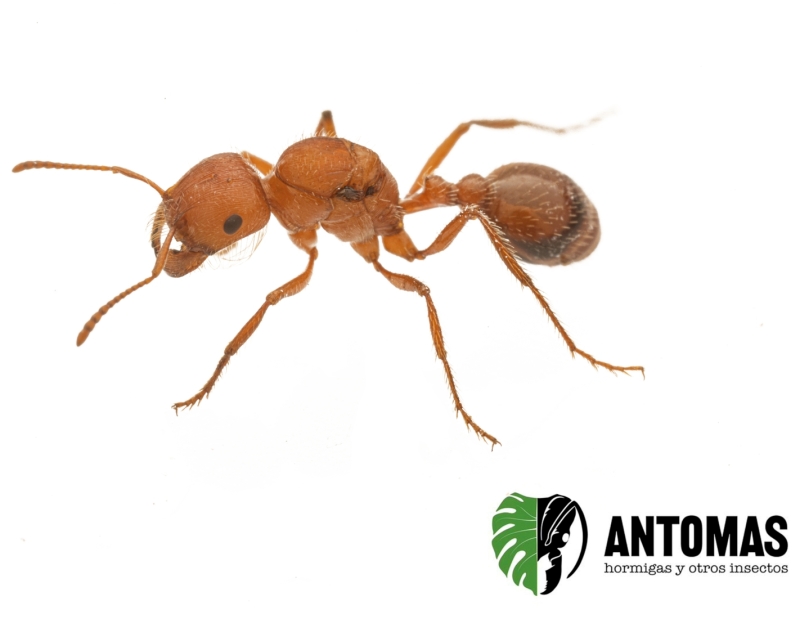
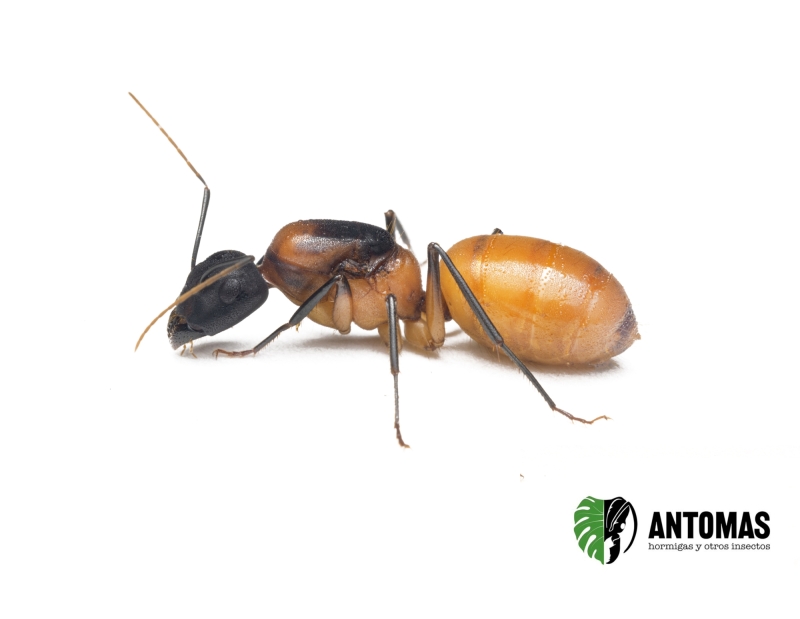
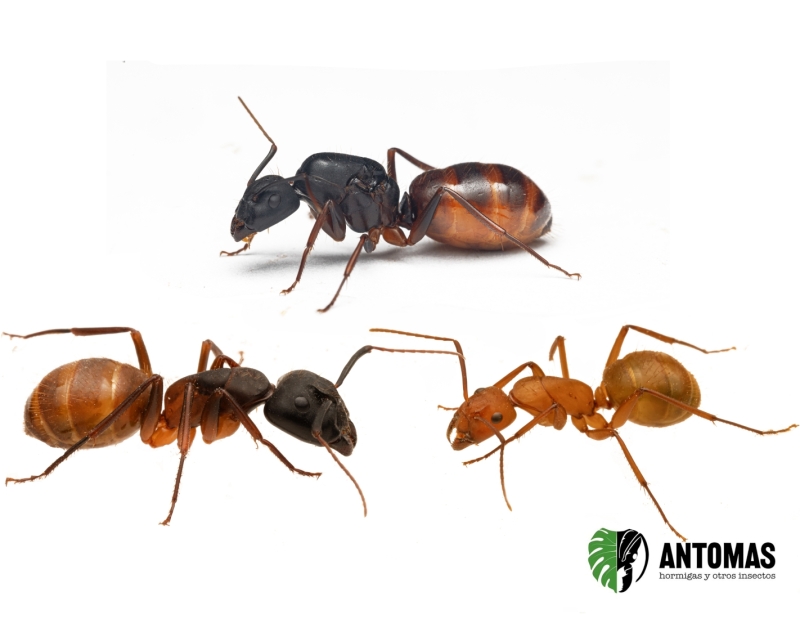
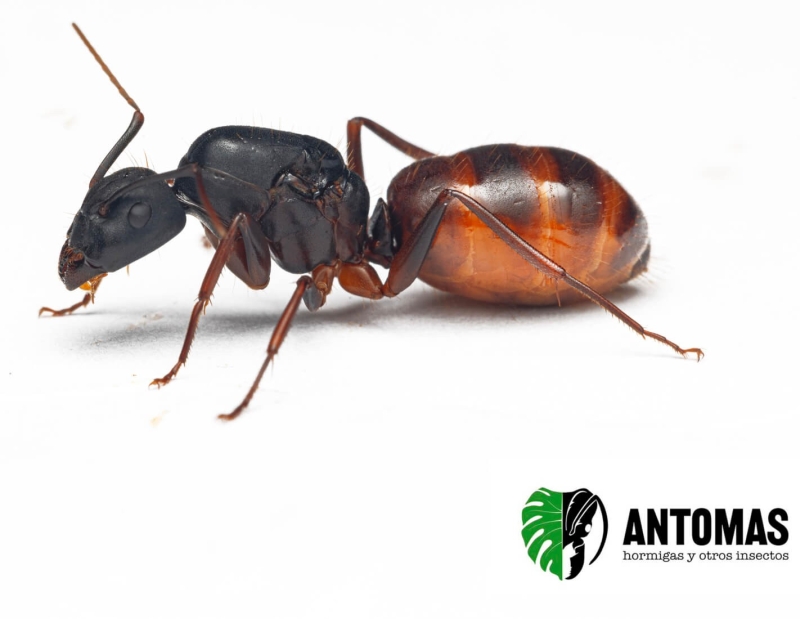
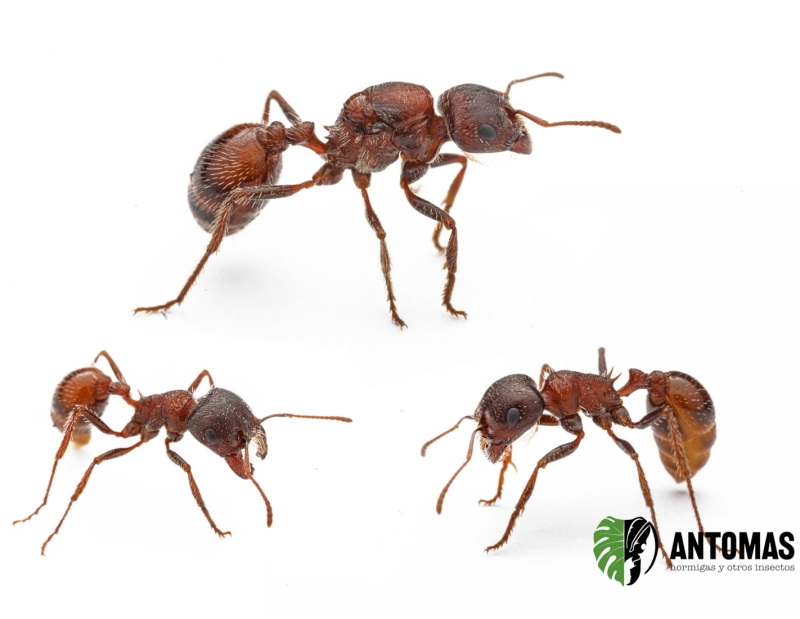
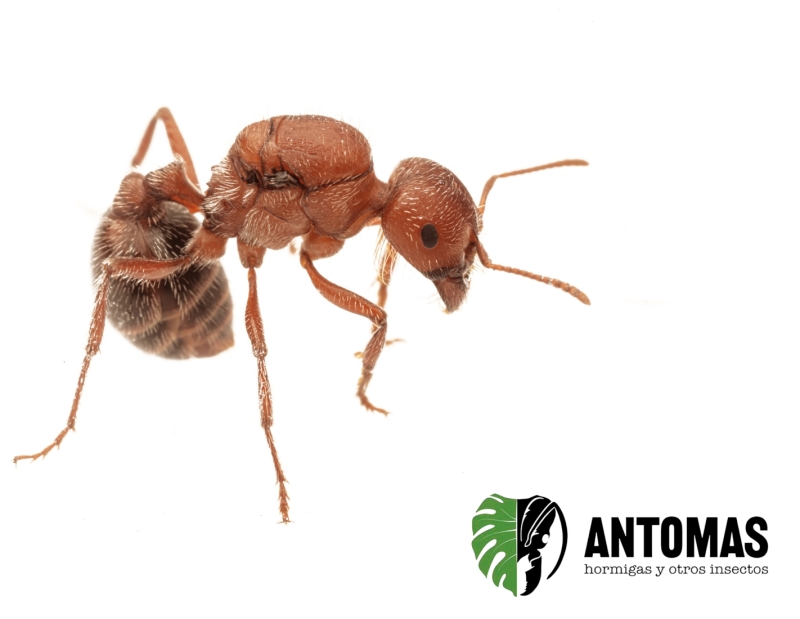
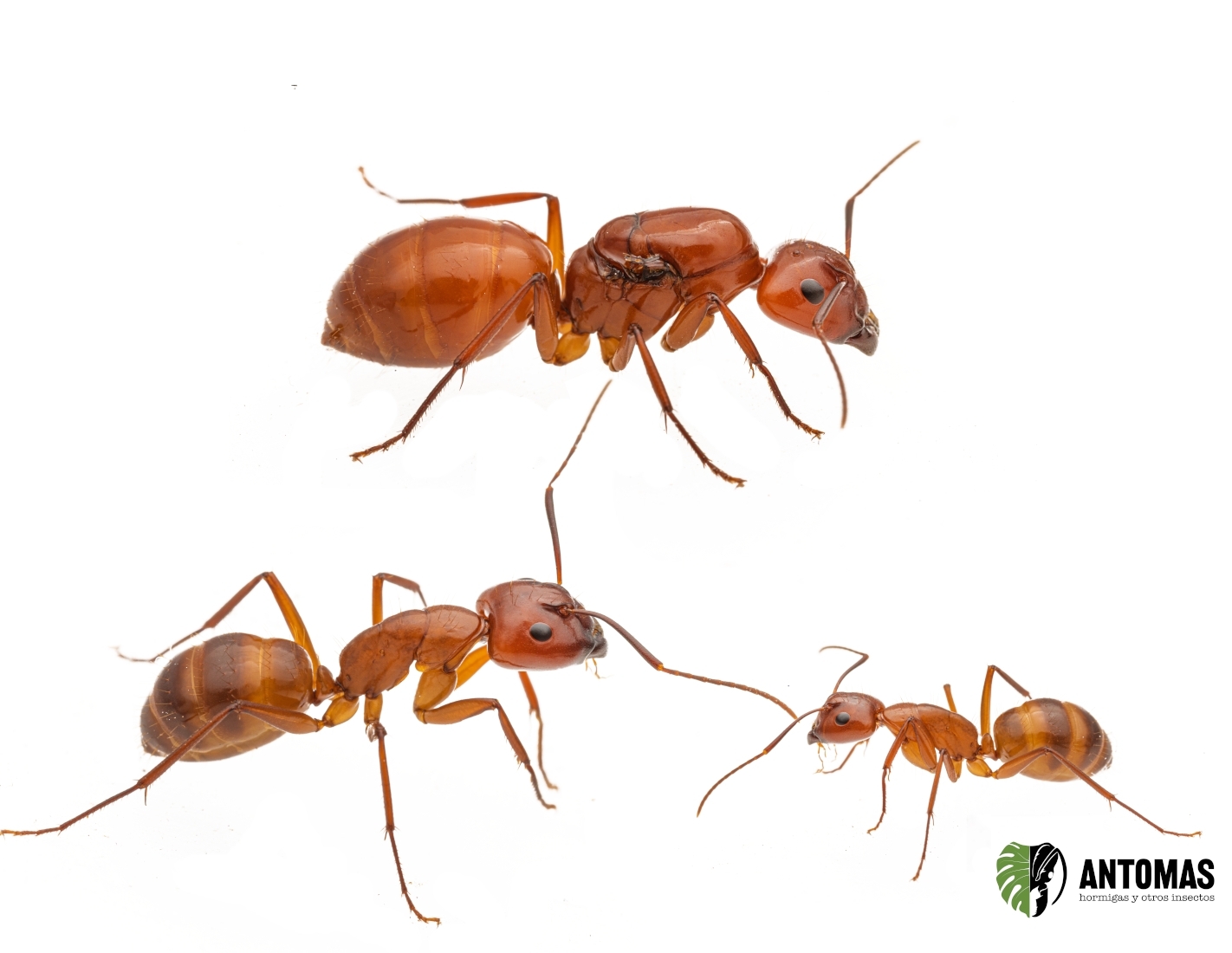
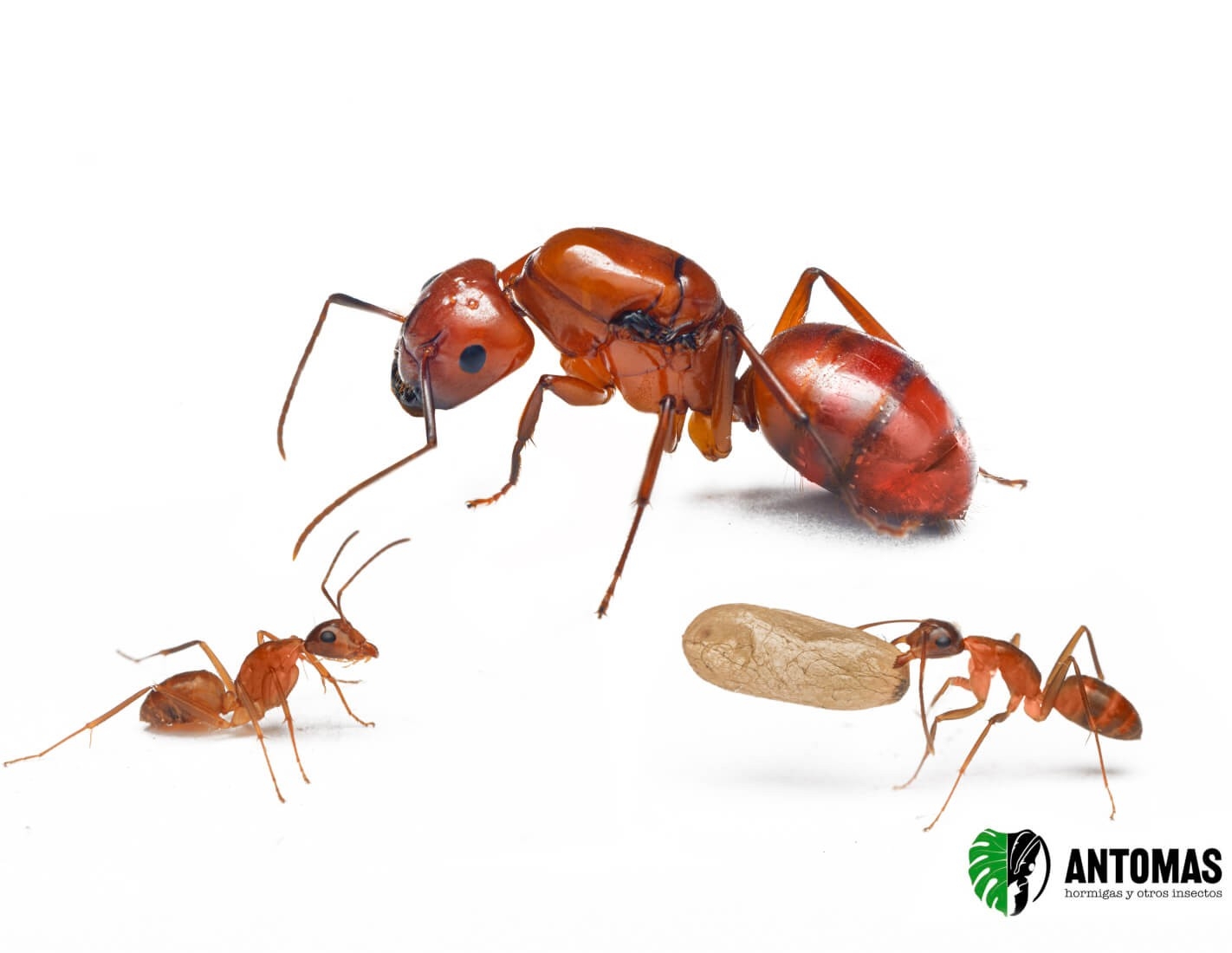
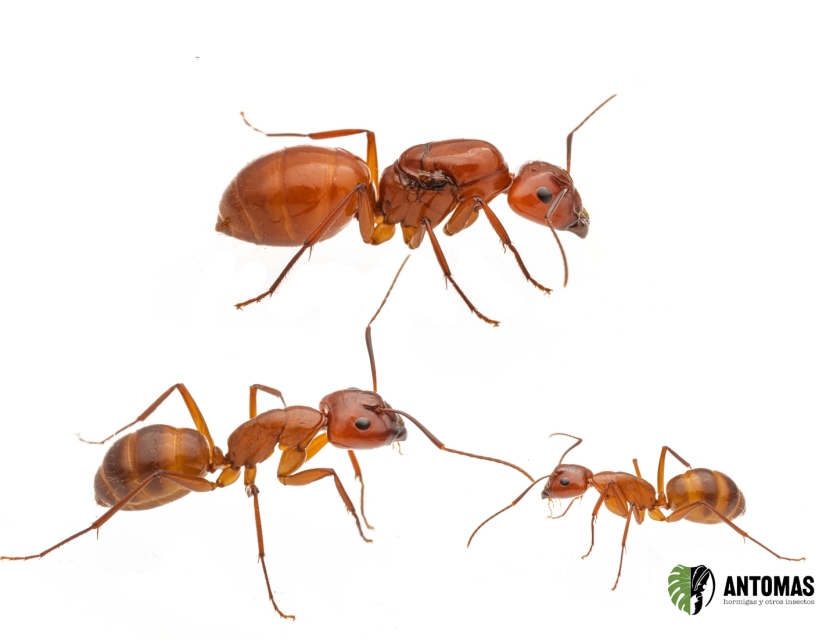
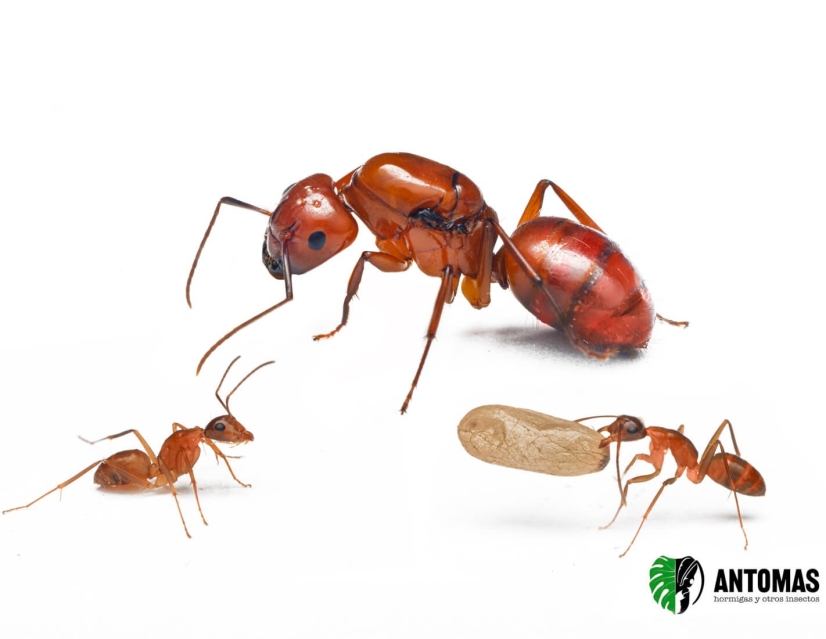
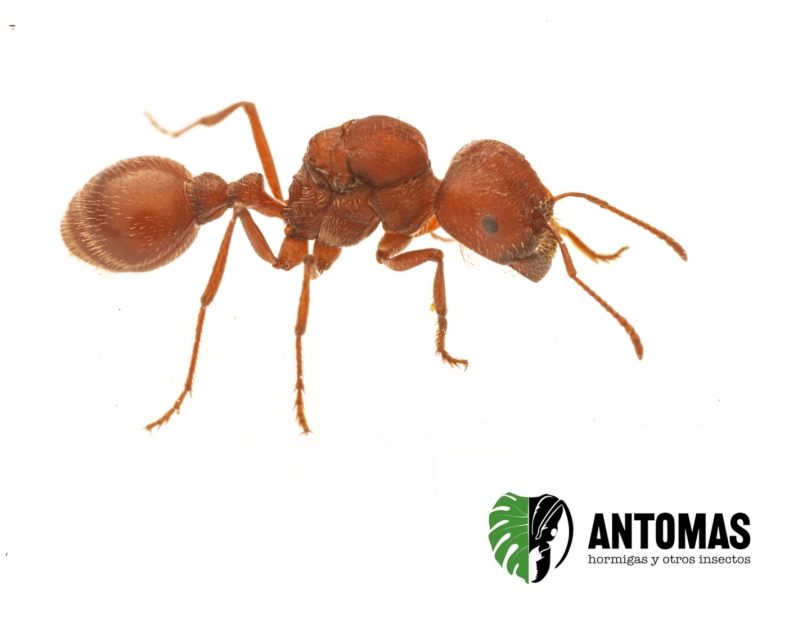
Camponotus castaneus is a large and elegant ant, easily recognized by its generally uniform chestnut, reddish, orange, or yellowish coloration.
The specific name castaneus refers precisely to its characteristic chestnut tone. Some specimens are deep red, while others are lighter and more orange.
The head and gaster may be slightly darker than the mesosoma. The mandibles, antennal tips, and parts of the legs often show darker brown tones.
The exoskeleton is relatively smooth and glossy, with sparse hair coverage. This polished surface makes its coloration appear especially intense under direct lighting.
Minor workers have an elongated head, long legs, and a slender body. Majors are considerably more robust and possess a broad, almost square-shaped head equipped with more powerful mandibles.
There is no absolute separation between workers and soldiers. The colony produces a gradual range of sizes, as though it had the same tool manufactured in different formats: minors provide speed, while majors provide strength.
Documented measurements
- Minor workers: approximately 6–8.5 mm
- Major workers: approximately 11–16 mm
- Queen: approximately 15.5–17 mm
The mandibles of major workers have between six and seven teeth and allow them to hold food, cut apart prey, and defend the nest.
As a member of the subfamily Formicinae, it lacks a sting. At the end of the gaster, it possesses an acidopore from which it can release formic acid as a defensive mechanism.
CAPTIVE CARE
The difficulty level of Camponotus castaneus can be considered intermediate.
Its claustral founding, moderate colony size, and generalist diet make it easier to maintain. However, it requires a diapause adapted to its geographical origin, a reliable supply of carbohydrates, and a stable humidity gradient.
Recommended parameters
- Growth temperature: 24–27 °C
- Brood-area humidity: moderate
- Dry area: available for pupae and resting workers
- Ventilation: good air circulation
Although it tolerates warm conditions, the entire nest should not be heated. A gradient should allow the colony to move eggs, larvae, and pupae according to their needs.
Eggs and larvae are usually kept in the most humid area, while cocoons may be moved to drier chambers. The colony behaves like a family changing rooms according to temperature and humidity.
It is not necessary to feed the queen before the first workers appear. Frequent introduction of food into the tube can create dirt, mold, and unnecessary stress.
RECOMMENDED FORMICARIUM
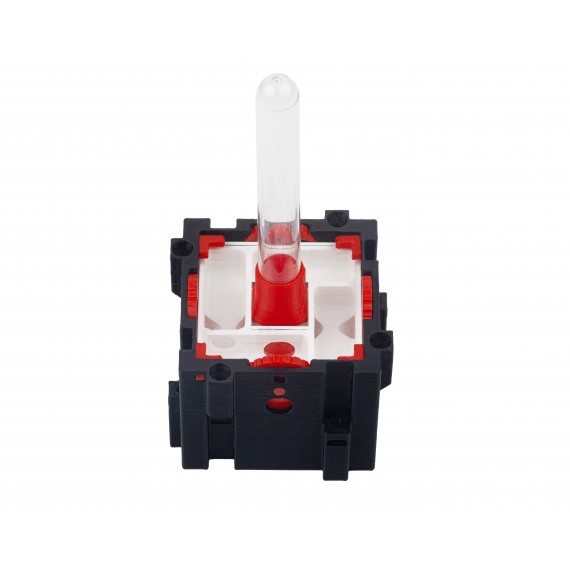
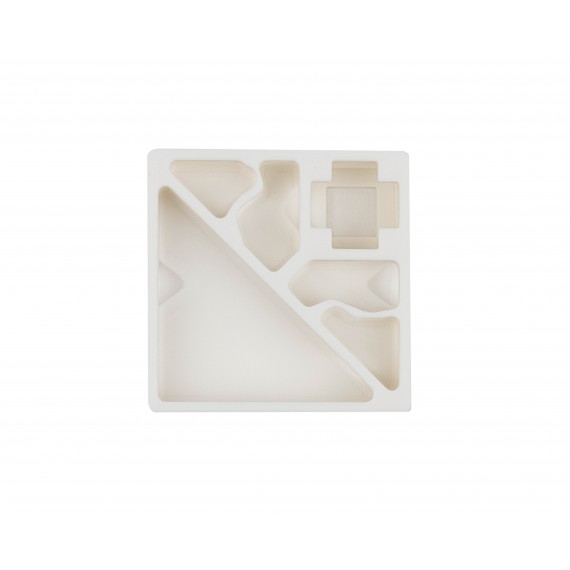
For mini-colonies, the following can be used:
Medium galleries are suitable for young colonies, while large galleries comfortably house the queen and brood as the population increases.
Although it may occupy decayed wood in nature, it does not necessarily require a cork or wooden nest. PLA or acrylic systems allow better observation of the brood and humidity zones.
Expansion should be gradual. A small colony does better in a proportionate space than in an oversized nest full of empty chambers.
Feeding
Carbohydrates
Carbohydrates are the main energy source for workers:
- ant-specific nectar;
- sugar water;
- diluted honey;
During the active season, a carbohydrate source should be available regularly. A well-fed colony often shows workers with visibly expanded gasters.
Fruit should be used as a supplement and removed before it ferments or develops mold.
Proteins
- flies;
- crickets;
- feeder cockroaches;
- moths;
- chopped mealworm;
- other safe, well-fed insects.
The first workers should receive small, killed, or cut prey. Established colonies can process larger insects, especially when major workers appear.
Protein consumption depends directly on the number of larvae. A colony with many larvae may accept food several times per week, while interest decreases in their absence.
Diapause
The wide distribution of C. castaneus includes populations exposed to very different winters. Those from New York, New Jersey, or inland regions experience colder conditions than southern populations.
Whenever possible, it is therefore advisable to know the colony's geographical origin.
For populations from the central and northern part of the range, a marked diapause of approximately 10–12 weeks at 8 to 14 °C is recommended.
Populations from the far south can be kept for the same period at approximately 14 to 18 °C, allowing a clear slowdown without applying very low temperatures.
Cooling and warming should be gradual. During this period, activity, egg laying, and protein consumption decrease.
The colony should retain access to water. A small amount of carbohydrates may be offered if workers remain active, but the active-season feeding rate is unnecessary.
Activity should not be forced by heating the colony when it has voluntarily stopped brood development.
Behavior in Captivity
Small colonies are usually discreet and keep few workers in the foraging area. Most activity may be observed during the afternoon or night.
As the colony grows, clearer routes appear and the functional differences between minors and majors become more evident. Majors usually remain inside the nest and emerge more often when needed.
Workers climb well on glass, plastic, silicone joints, and rough surfaces. The foraging area must have a properly applied escape barrier.
Its moderate population makes it possible to observe a mature colony without requiring installations as large as those needed by more prolific species.
Handling and Safety
Camponotus castaneus has no sting.
Workers can bite when trapped or handled directly. Majors have mandibles strong enough to cause noticeable discomfort.
They can also release formic acid. During handling or transport, excessive stress should be avoided so they do not become trapped in an atmosphere of formic acid that could seriously affect them.
Transfers and maintenance tasks should be carried out using tubes, auxiliary containers, long tweezers, and escape barriers.
With a properly closed enclosure and an orderly maintenance routine, it presents no special safety difficulties.