MEET ANTOMAS

Who we are: specialists in ants and invertebrates

Antomas was born from a passion that began long before the shop. Its name combines “ant” and Tomás.

We breed, observe and share what we learn from the colonies in our care.

Registered zoological establishment in the REGA register of the Valencian Community, no. ES460050000026.

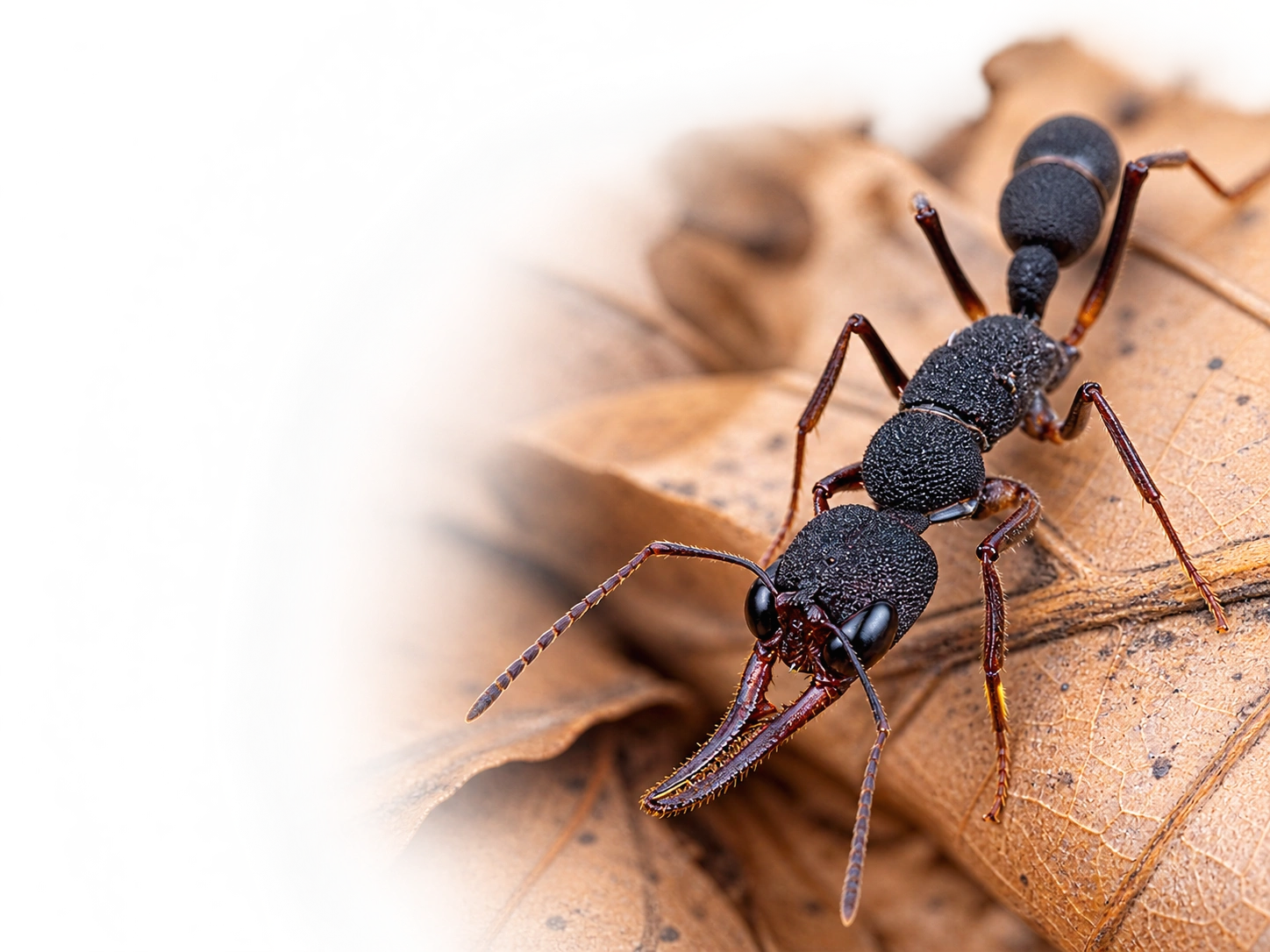
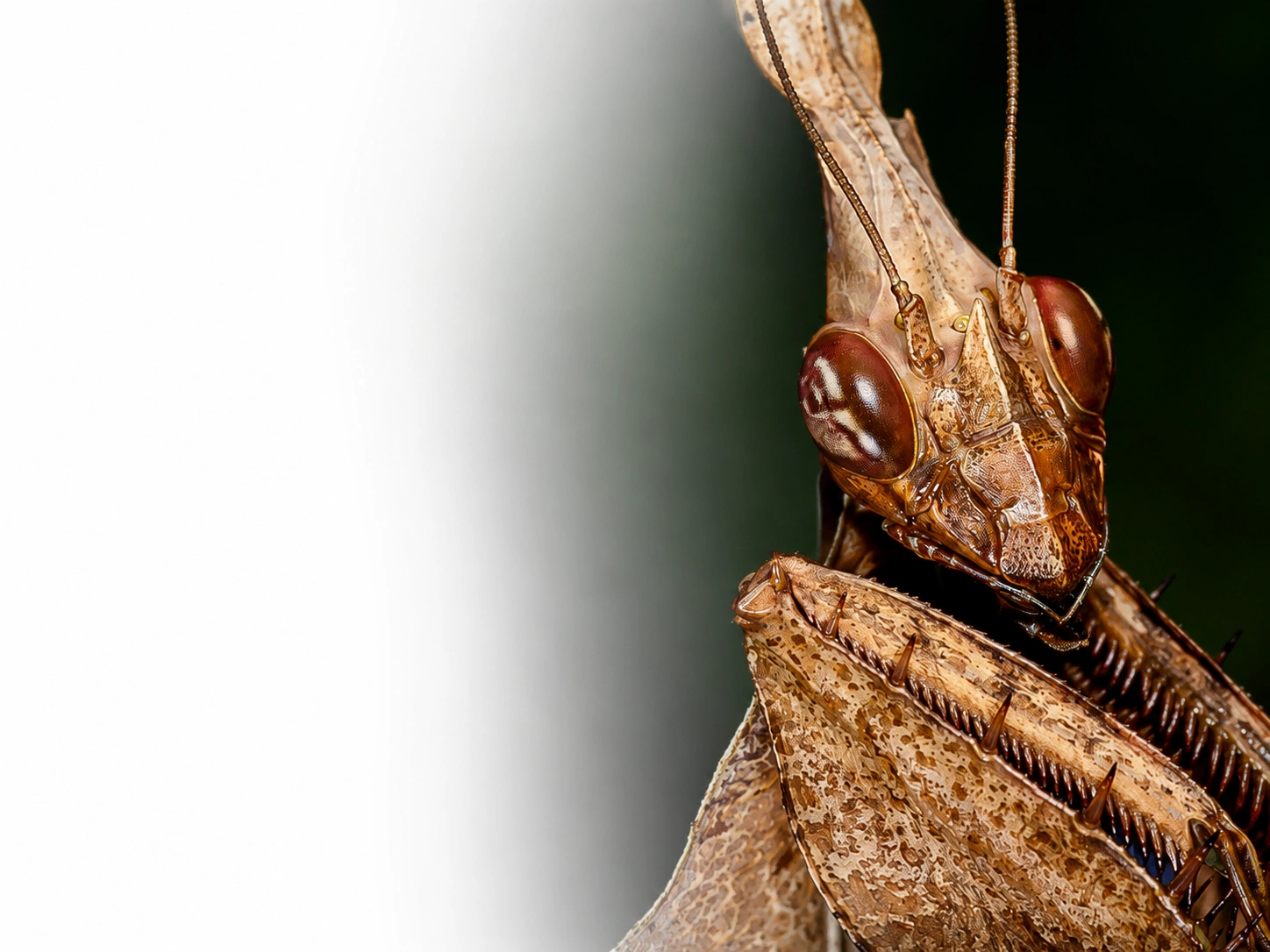
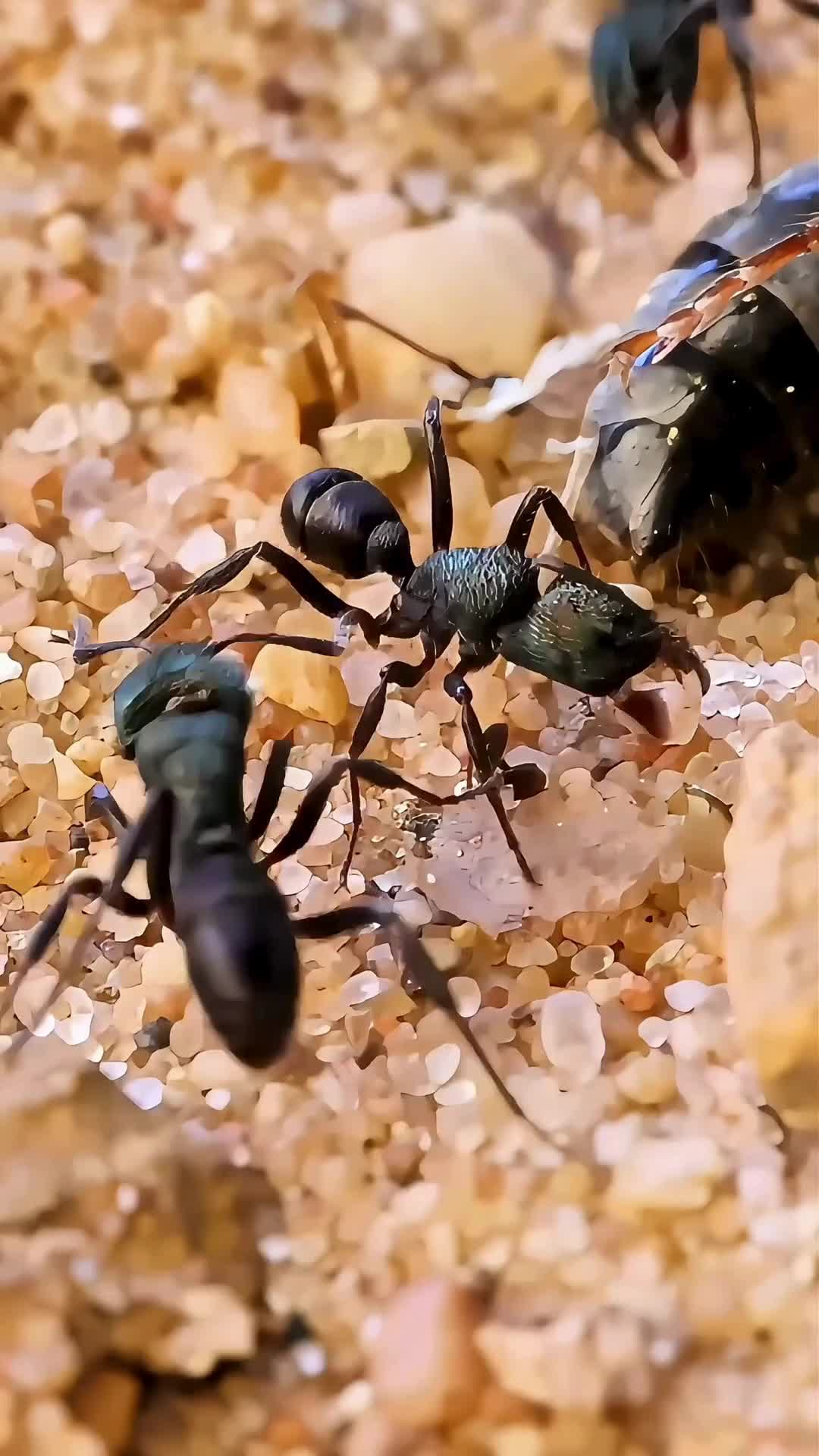
A look at some of the animals we work with.

Breeding ants since
+
Species that have passed through our hands
+
Species in our collection
AIM member since

OUR STORY

Antomas: Ants and much more

Behind Antomas is Tomás, an ant keeper since 2012. At just 8 years old, he would already spend hours lying in the park in his village watching ants, following their trails and trying to understand what was happening inside and outside the nest. That childhood curiosity eventually became a dedication that continues to this day.

Since then, more than 440 ant species have passed through his hands, from some of the most common species in the hobby to extraordinarily rare and specialised ones. The time spent and type of work with each has varied: from temporary keeping to breeding and monitoring colonies for years. His personal collection currently exceeds 100 species, including harvester and granivorous ants, honeypot ants, social-parasitic and dulotic species, fungus growers, desert ants, large ponerines and some of the most impressive Australian ants.

Some have been part of the Antomas story for many years. For example, we still keep a colony of Messor capitatus that came into our care in 2013.

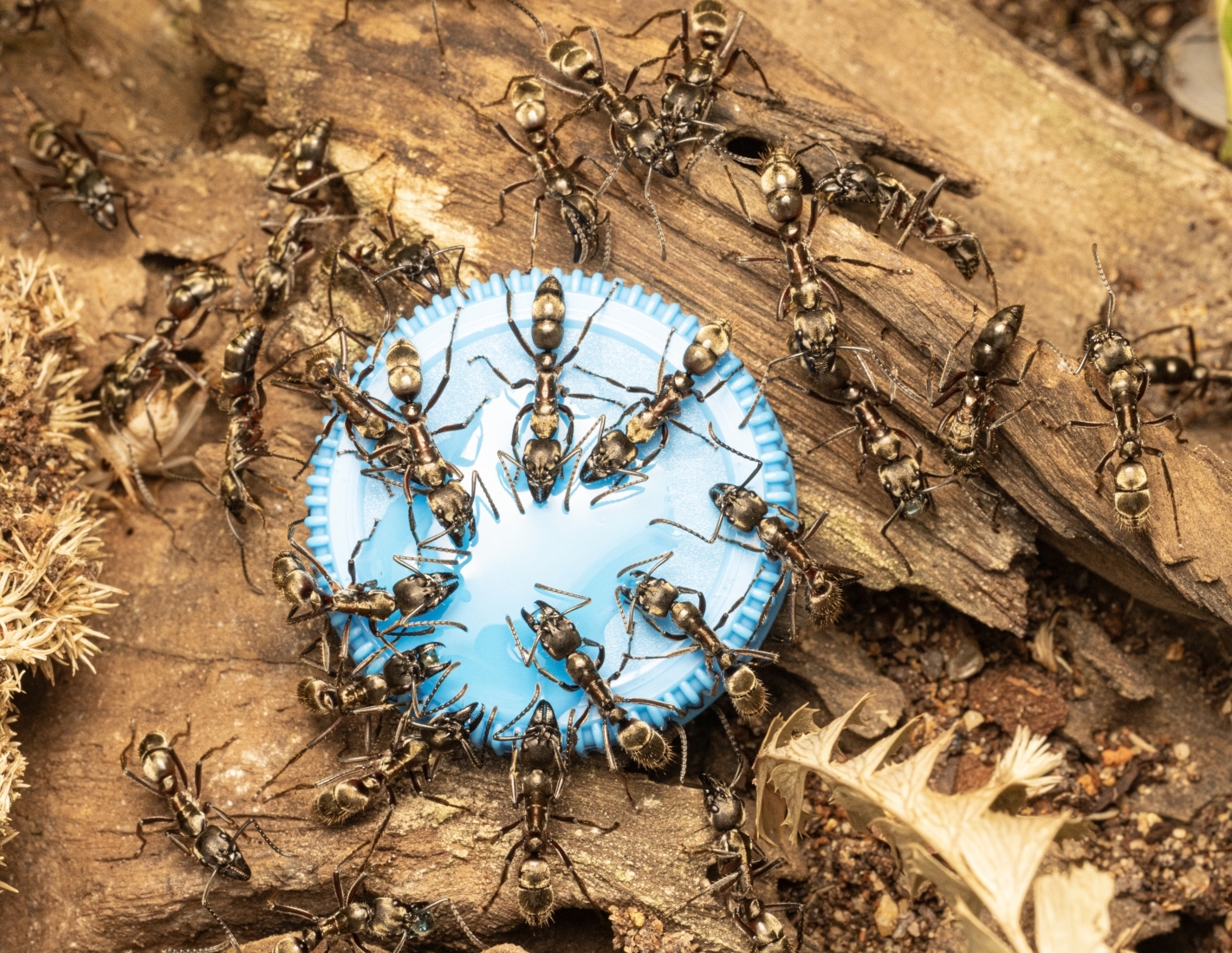
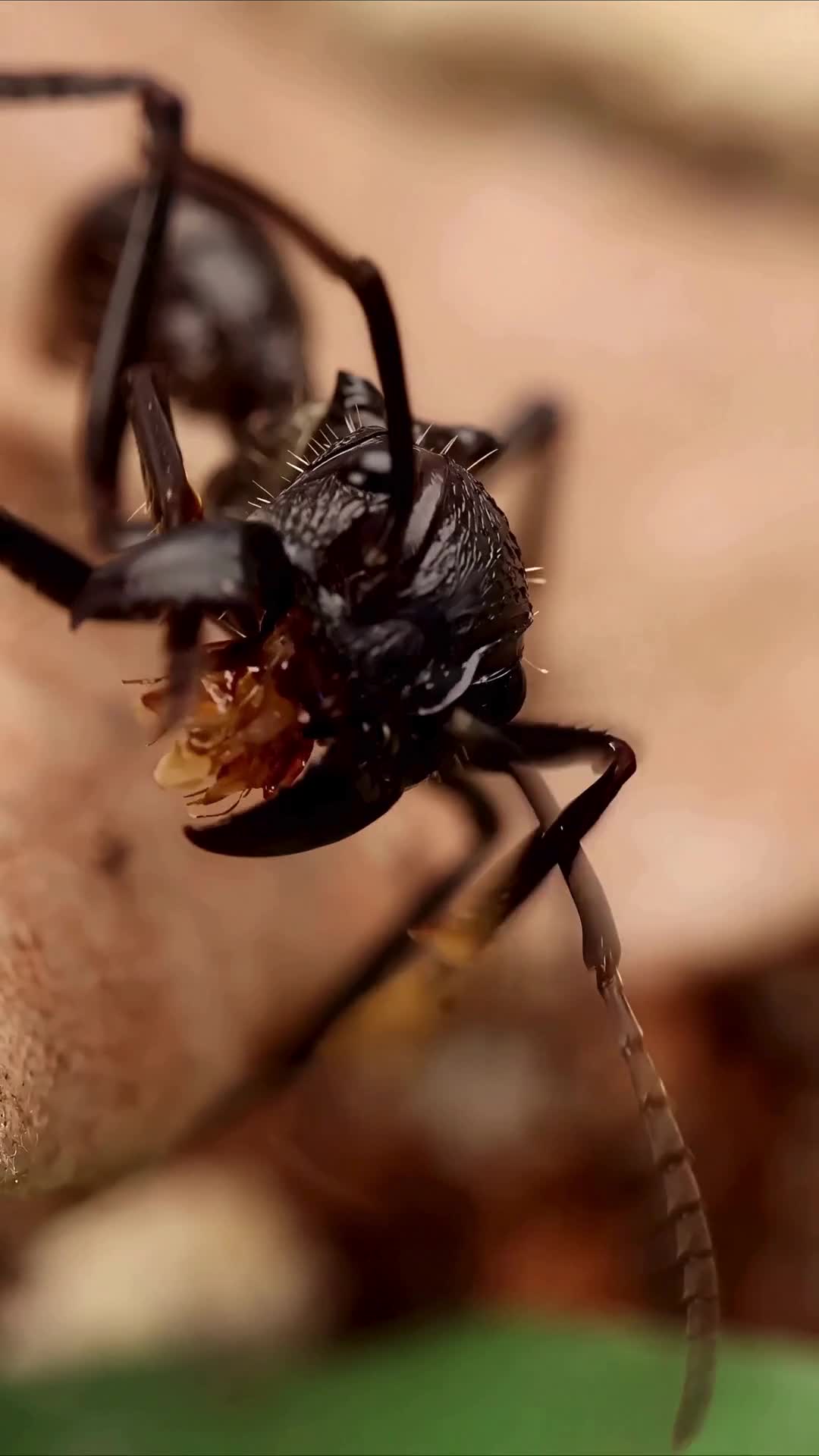
Genera such as Myrmecia, Cataglyphis, Pheidole, Carebara and Camponotus, together with ponerines in general, have a particularly important place in our collection. We also keep and study unusual species such as Cataglyphis bombycina, Solenopsis orbula, Myrmecia forceps, Camponotus fulvopilosus and Myrmecia athertonensis, among many others.

But having many species has never been an objective in itself. What matters is everything we can learn from them.

COLONIES THAT GROW WITH US

Our experience can also be seen in our colonies

Our experience can also be seen in the colonies we breed and maintain over time. Following their development allows us to understand changes in their feeding, space requirements and behaviour, and to pass that knowledge on to those who trust Antomas.

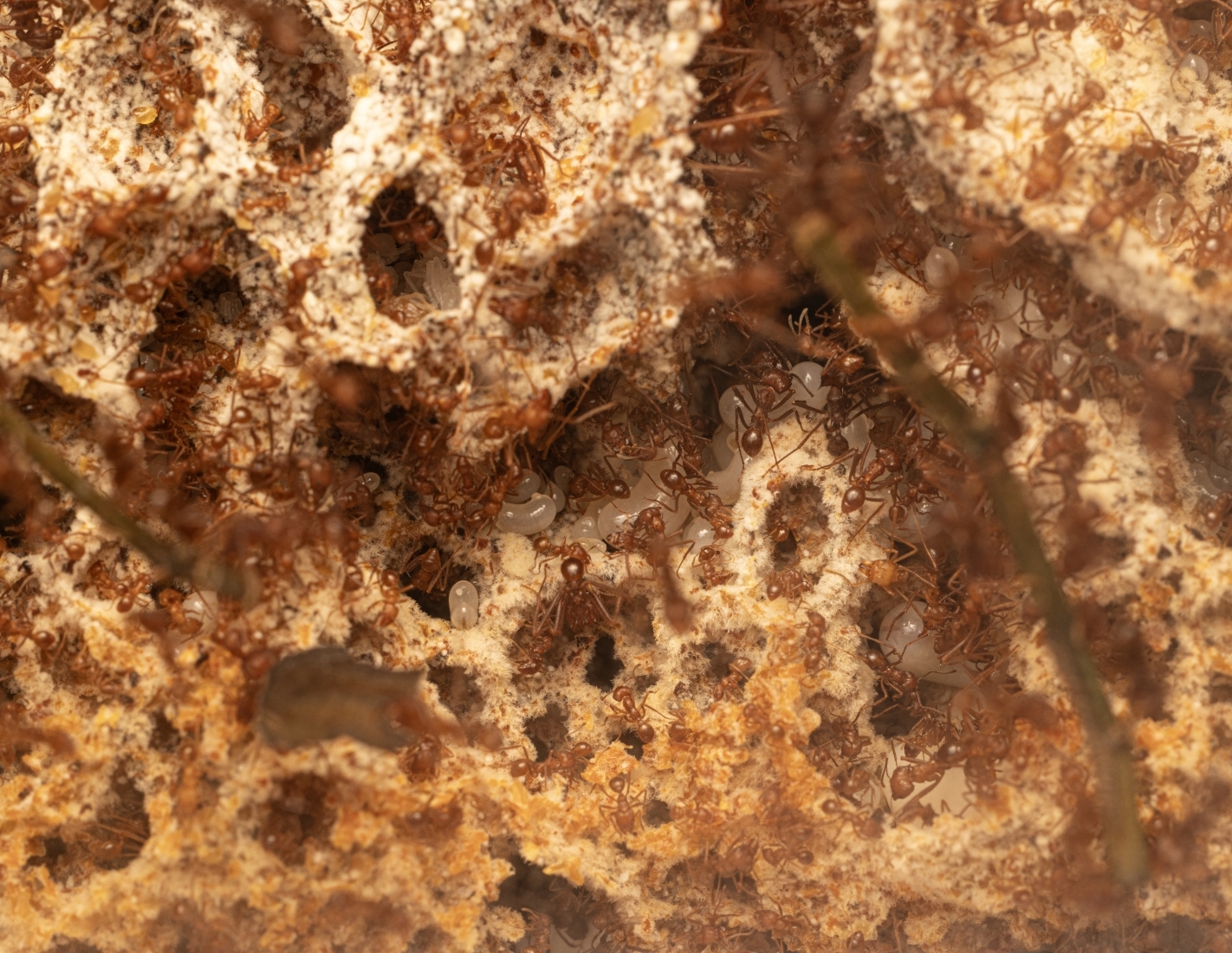
Our Atta mexicana colony

Watch our leafcutter ants in action.

Antomas video

EXPERIENCE BREEDING COLONIES

Colonies that grow with us

At MegaImperios we share a selection of large colonies from our personal collection, bred and cared for by us. Each has its own story: from the leafcutters Atta mexicana to Camponotus fulvopilosus or large ponerines such as Neoponera villosa.

These are colonies we have watched grow and whose care we know first-hand. Their availability is occasional and limited, and their pages let you discover the history and characteristics of each one.

Atta mexicana

Queen from November 2025

View colony

Camponotus fulvopilosus

2024 nuptial flights

View colony

Neoponera villosa

Queen from 2023

View colony

LEARNING FROM THE COLONIES

Experience, observation and rigour

For many ant species, especially some of those least studied or kept in captivity, there is still relatively little information about their development, reproduction, behaviour or actual needs.

That is why an essential part of our work is to observe, document and learn from the colonies we keep.

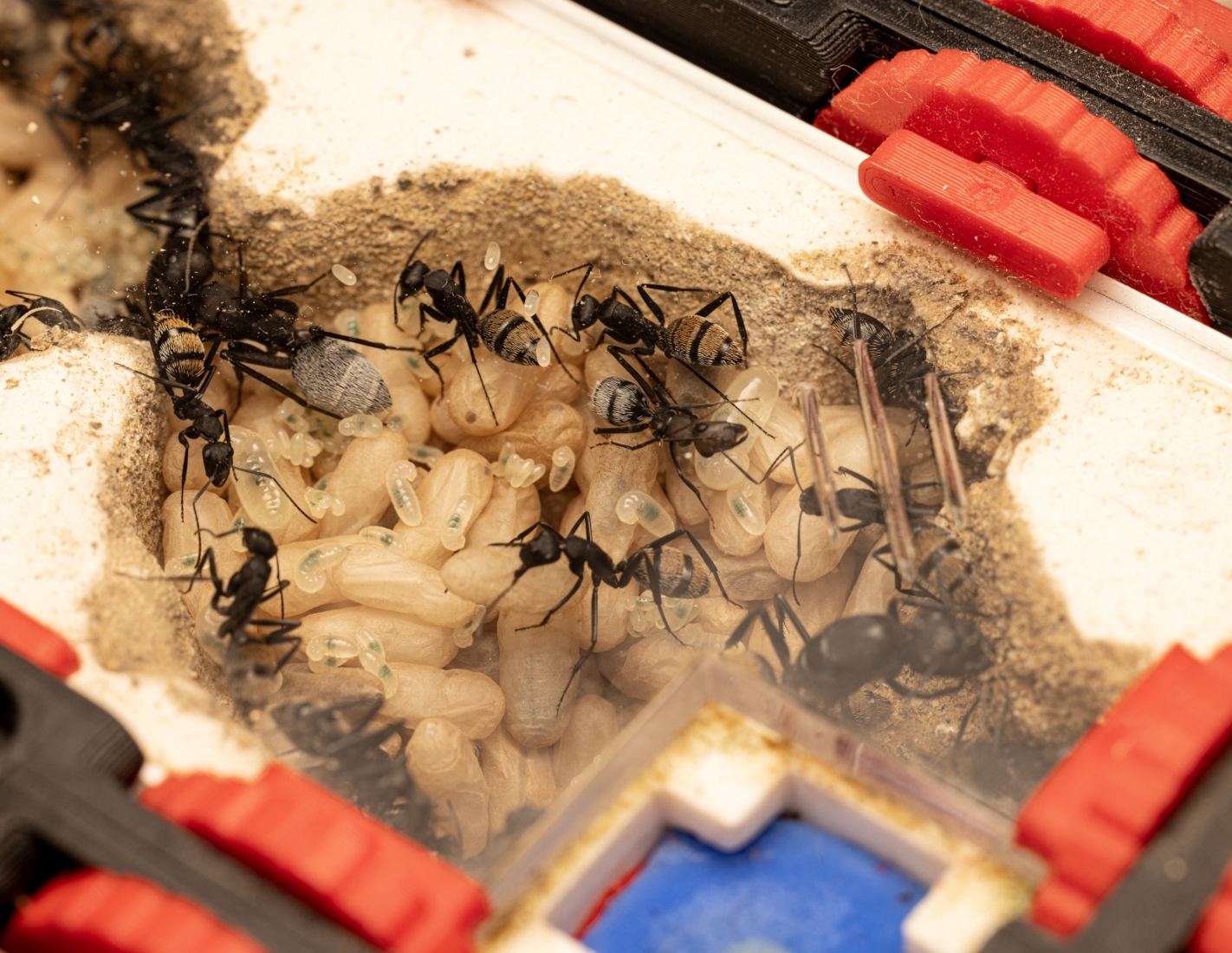
We photographically document the different castes and stages of development and record observations on feeding, growth, reproduction, behaviour, diapause, social structure and adaptation to different keeping conditions.

A colony kept for years makes it possible to observe phenomena that are difficult to understand by following only a care sheet. From the appearance of the first major castes to behavioural changes in a mature colony, a queen’s first eggs, a ponerine’s hunting strategy or a desert species’ response to seasonal changes.

These observations are not intended to replace scientific research, but to complement the available information with long-term experience in captivity. Whenever the opportunity arises, we collaborate with research and projects in which our colonies, photographs, specimens or observations can contribute information of ecological, myrmecological or ethological interest.

We believe rigour also means knowing when to say “we don’t know”. That is why we always try to distinguish between what has been scientifically documented, what we have repeatedly observed in our own colonies and what still needs to be studied.

Since 2023, Tomás has also been a member of the Iberian Association of Myrmecology (AIM), an association devoted to the knowledge, outreach and study of ants.

SHARING KNOWLEDGE

Bringing ants closer to everyone

An important part of Antomas is sharing all this knowledge.

We run educational activities and talks for schools and also for professionals from other sectors who want to learn more about the extraordinary world of ants, including pest-control professionals interested in deepening their knowledge of ant identification, biology and behaviour.

We have also taken part in external ant outreach and exhibition projects, such as the collaboration to install a colony at BIOPARC Valencia together with Anthouse.

Because we believe that observing a colony can awaken exactly the same curiosity that started Antomas so many years ago.

FOR EVERY STAGE OF THE HOBBY

From your first colony to the most extraordinary species

Antomas is not designed only for large collectors.

We want to be a shop for anyone who wants to discover the world of ants, regardless of their experience.

For someone starting out, choosing the right first species can make the difference between frustration and discovering a lifelong hobby. That is why we offer advice to choose a colony suited to each person’s experience and conditions.

But our experience with unusual species allows us to go much further.

We also work for advanced keepers, collectors and true enthusiasts looking for hard-to-find species, extraordinary behaviours or new challenges: honeypot ants, fungus growers, large ponerines, Myrmecia, desert Cataglyphis, species with complex social structures and many others.

From your first colony to that species you have been searching for for years.

Every colony is a living being, not simply a product

This idea shapes the way we work.

Before sending a colony, we check its condition and select healthy specimens that are properly fed and in suitable condition for transport. Whenever possible, we work with young colonies from recent nuptial flights and we understand how important the first brood can be for the future of certain species.

We require from our suppliers exactly what we ourselves aim to offer: care, attention and speed.

Especially with sensitive species, a few days or incorrect handling can mean the loss of eggs, larvae or pupae that are essential for a successful founding stage.

And when a colony runs into difficulties, we do not simply give it up as lost.

Whenever it is biologically compatible and safe, we try to help through specific feeding, environmental adjustments or even brood reinforcement from our established colonies. Each case is assessed individually, avoiding actions that could pose a health or biological risk.

Our aim throughout the process is to prioritise both the colony’s welfare and the satisfaction of the person who will care for it.

Advice before and after your purchase

For us, our relationship with a colony does not end when the order is delivered.

We offer personalised advice in Spanish and English, both to help choose a species and to solve husbandry problems afterwards.

When necessary, we follow the colony’s progress and help interpret situations related to feeding, founding, growth, temperature, humidity, diapause, nest design or behaviour.

Every species is different, and every colony can be different too. We prefer to study a specific problem and look for a reasoned solution rather than offer a generic answer.

The experience accumulated through caring for and observing a wide variety of species allows us to understand not only how a colony should behave on paper, but also many of the problems that can arise under real conditions.

ENVIRONMENTAL RESPONSIBILITY

Responsible keeping, biosecurity and the environment

Working with exotic ants involves a responsibility that goes far beyond the terrarium.

An exotic colony must never be released into the wild.

Even a species that apparently could not survive in our climate may pose a risk that is not worth taking. We recommend using suitable containment systems, escape barriers and safety measures proportional to each species’ escape ability and characteristics.

At Antomas we do not sell species whose keeping or trade is prohibited by applicable legislation, paying particular attention to the relevant regulations.

When we work with other groups of invertebrates, we also check possible protection and international-trade restrictions and the status of species subject to specific regulations where applicable.

Species we do not sell

Antomas’ selection also incorporates our own environmental-responsibility criteria. We exclude from sale the species on our blacklist, including some that do not appear in the legal catalogues consulted, because of concerns about their ability to establish and spread.

As a reference, we link to the poster Blacklist of Iberian ants, presented at Taxomara 2024. Our exclusion list is our own commercial policy and is not equivalent to an official list of legal prohibitions.

View our blacklist of 28 species
  • Anoplolepis gracilipes
  • Brachymyrmex patagonicus
  • Brachyponera chinensis
  • Cardiocondyla mauritanica
  • Cardiocondyla obscurior
  • Iridomyrmex anceps
  • Iridomyrmex bicknelli
  • Lasius neglectus
  • Lepisiota capensis
  • Linepithema humile
  • Messor cephalotes
  • Monomorium carbonarium
  • Monomorium pharaonis
  • Monomorium subopacum
  • Nylanderia jaegerskioeldi
  • Paratrechina longicornis
  • Pheidole indica
  • Pheidole megacephala
  • Solenopsis geminata
  • Solenopsis invicta
  • Solenopsis molesta
  • Tapinoma melanocephalum
  • Tapinoma nigerrimum
  • Tetramorium bicarinatum
  • Tetramorium caldarium
  • Tetramorium lanuginosum
  • Trichomyrmex destructor
  • Wasmannia auropunctata

Trichomyrmex destructor is also listed under the name Monomorium destructor.

Our commitment to responsible keeping also extends to animals already in private hands.

If someone can no longer care for a colony, we prefer to consider taking it in rather than allowing it to be irresponsibly released. Whenever our facilities and circumstances allow, we will try to find a responsible solution for it.

Ask about transferring a colony to us

Preventing escapes and releases is part of our philosophy.

THE ANTOMAS PROJECT

Knowledge and responsibility

Professional training in pest control

At Antomas, our knowledge of arthropods is not limited exclusively to keeping them in captivity.

Since 2026, Tomás has held a Level 2 professional accreditation in Pest Control Services (SEAG0110), within the professional field of Safety and Environment.

This training provides complementary knowledge related to the control and prevention of harmful organisms, biosecurity, responsible use of control methods and risk prevention.

Understanding ants from both perspectives—as extraordinary organisms that we can observe and keep, and as species that under certain circumstances can become problematic or invasive organisms—strengthens our approach to responsible keeping.

Ants… and much more

Ants are and will remain the heart of Antomas, but our passion does not end with the family Formicidae.

We also work with other invertebrates and want to continue expanding the project gradually, selecting animals with particularly interesting biology and behaviour and applying the same principles of experience, information, welfare and responsibility.

Our long-term goal is for Antomas to become a leading specialist shop for ants and invertebrates, both for people discovering this world for the first time and for the most specialised and demanding keepers.

But we want it to be more than a shop.

We want to continue breeding, observing, documenting, collaborating and sharing knowledge about the animals we work with.

Our mission

To bring the world of ants and invertebrates to more people through responsible breeding and trade, accompanied by rigorous information and real experience.

We want to make both easy species and some of the most extraordinary ants available in the hobby accessible, while ensuring that each person has the knowledge needed to keep them properly.
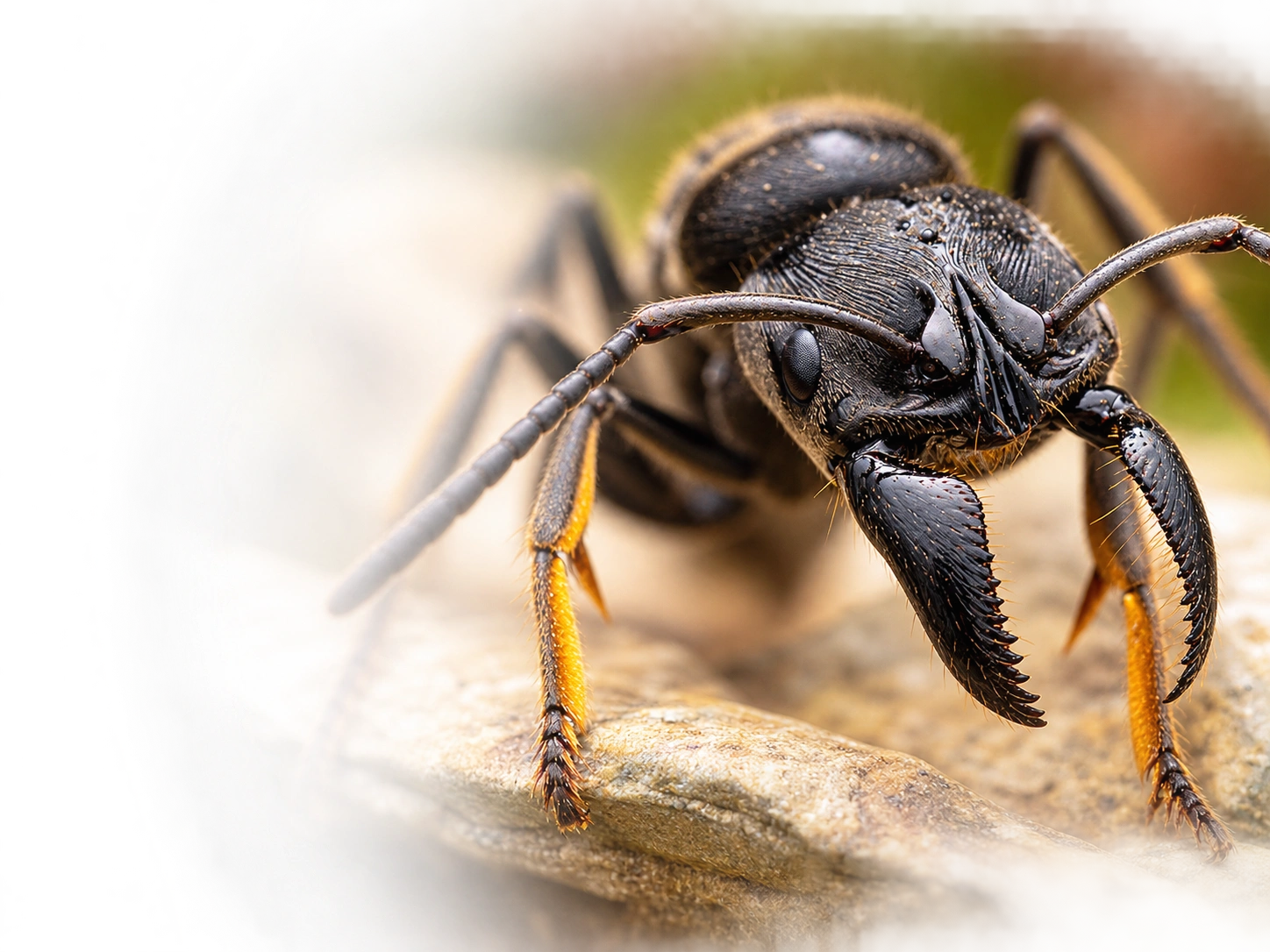
What we believe in

Real experience. Our recommendations come from years of keeping colonies and facing the same problems any keeper may encounter.

Rigour and continuous learning. We compare experience with scientific literature and keep learning. If new information shows that a recommendation can be improved, we change it.

Animal welfare. An ant may be tiny, but that does not make its life less important. We try to save every colony whenever there is a reasonable chance of doing so.

Responsible keeping. Never releasing exotic species, strengthening containment measures and understanding the implications of each species is the responsibility of everyone involved in this hobby.

Transparency. Not every ant is suitable for everyone. We prefer to explain the real difficulties of a species and recommend an alternative rather than make an unsuitable sale.

Outreach. The more we know about these animals, the easier it is to understand their importance and respect them.

Curiosity. Even after working with more than 440 species, we still encounter behaviours that surprise us. That is probably why we remain so dedicated to them.

EVERYDAY LIFE AT ANTOMAS

Keep discovering our colonies

We share videos of our colonies, details of their behaviour and project updates. You can keep up with everyday life at Antomas on Instagram, YouTube, Facebook and TikTok.

Discover Antomas

Whether you are looking to buy your first ant colony, expand an advanced collection or discover some of the world’s most interesting invertebrates, we will be happy to help you find a species that suits you.