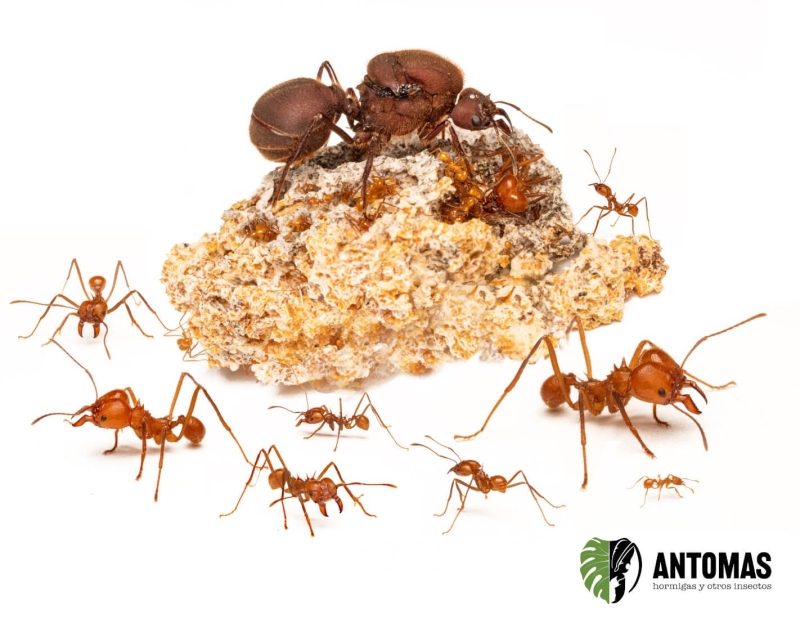
Camponotus sp. CA02 | Buy & Care Guide

Camponotus CA02

€89.99
VAT included
Colony


Camponotus CA02 – California Giant Carpenter Ant

Biology

Camponotus sp. CA02 is a large North American ant known in entomology and ant keeping under the provisional code US-CA02. It still does not have a formally published scientific name, so it should not be presented as Camponotus followed by a species epithet.

Available records place it in Southern California, with observations from areas in San Diego, Orange, and Santa Barbara counties. It is currently included within the subgenus Tanaemyrmex and the species complex close to Camponotus sansabeanus, although its taxonomic position is still under study.

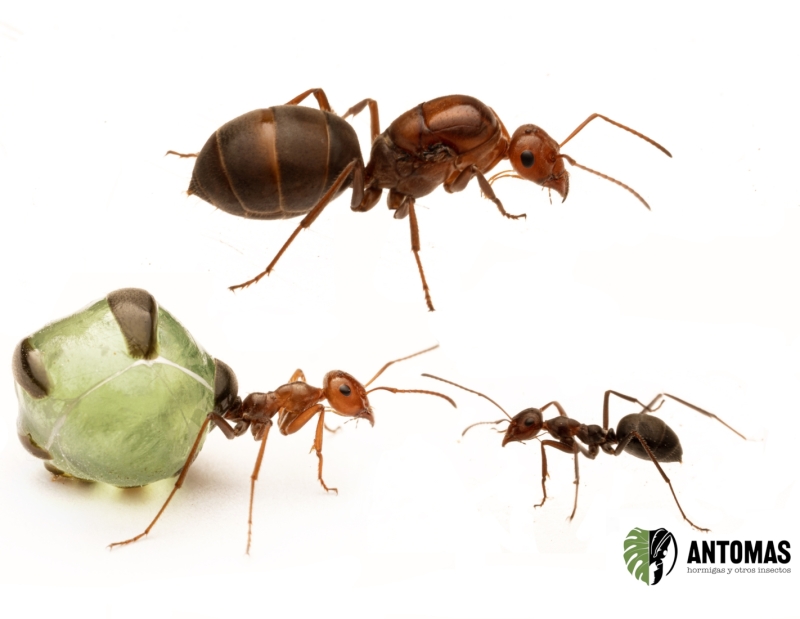
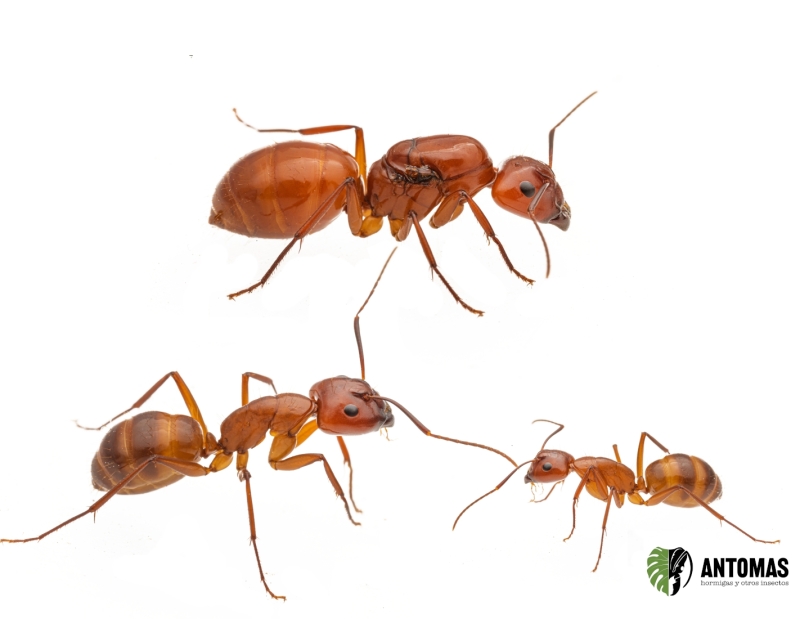
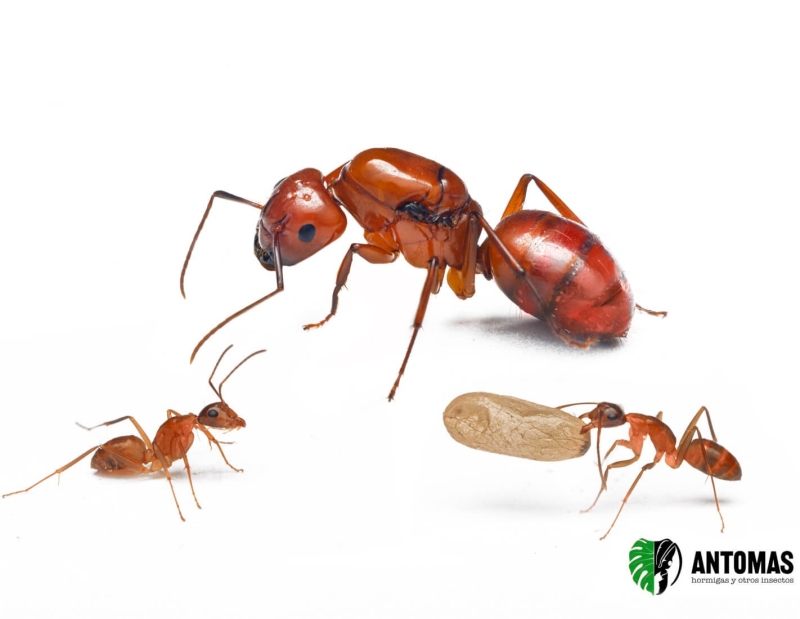
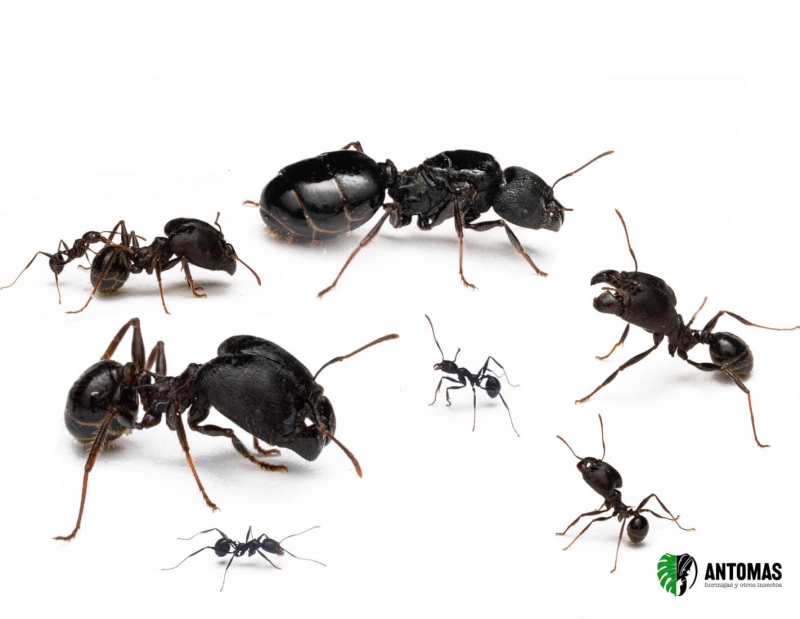
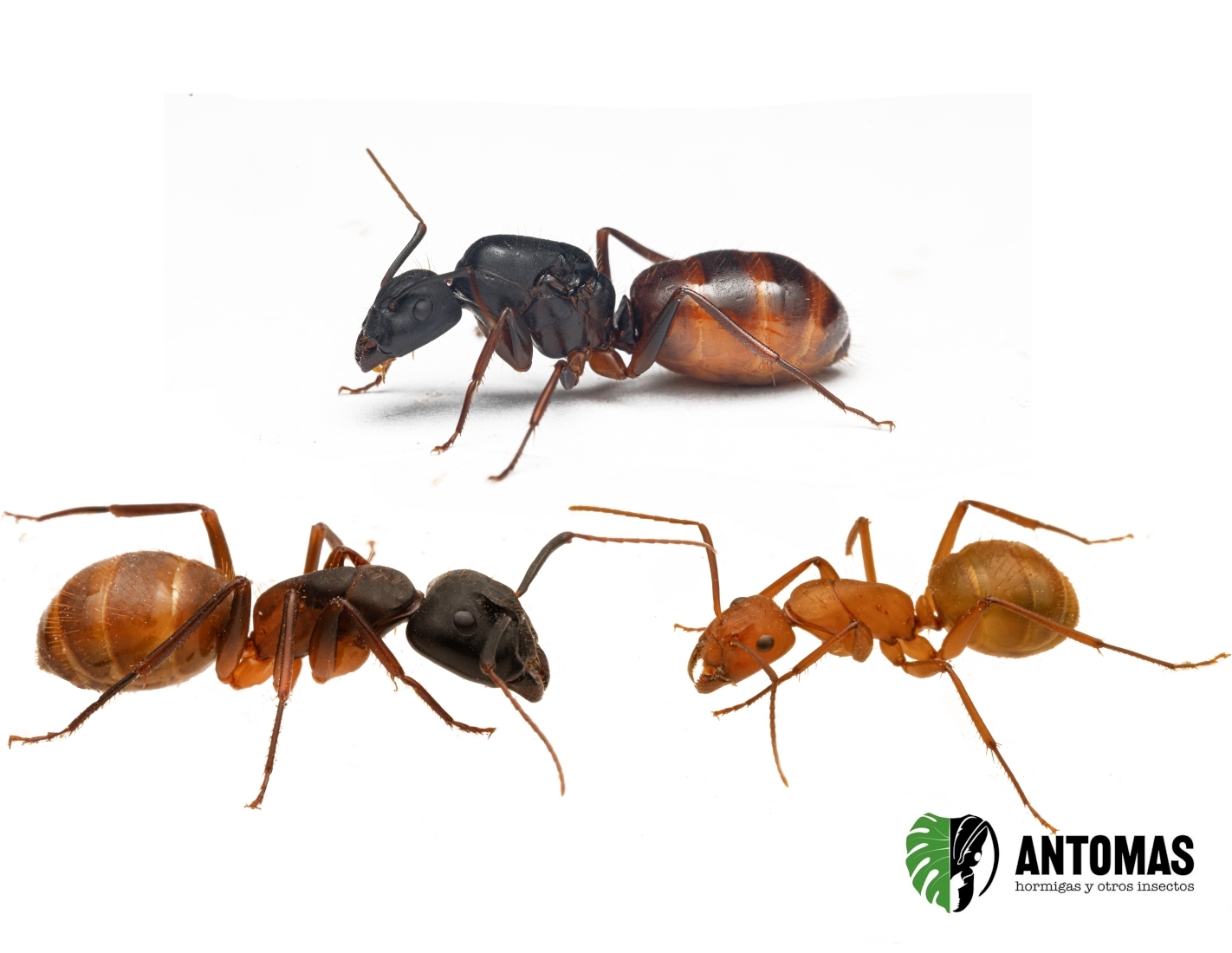
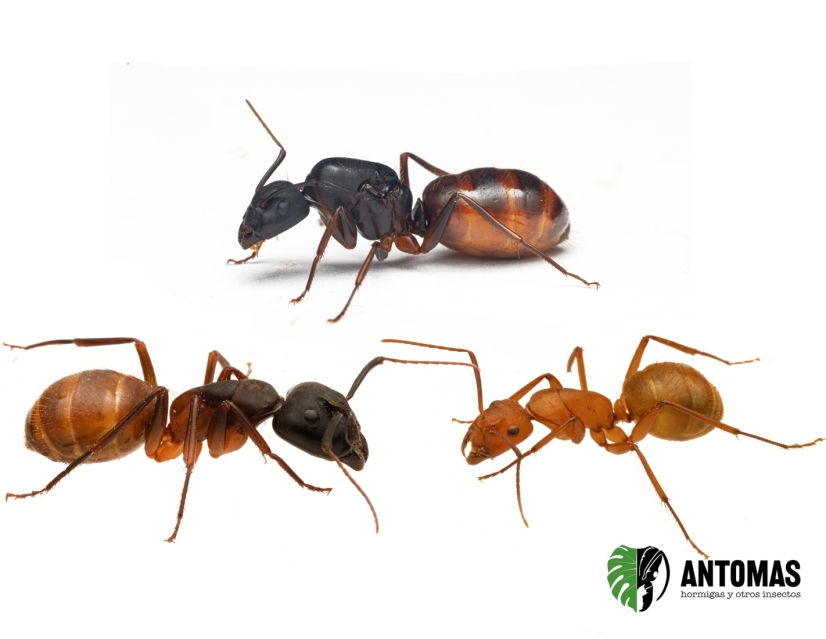
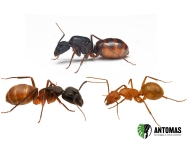
It is one of the largest and most spectacular ants in the United States. Its enormous polymorphism ranges from agile and relatively slender workers to majors with disproportionately massive heads, considerably larger in size than the queen herself.

In nature, it inhabits warm, seasonal environments of Southern California, including scrubland, chaparral, wooded areas, and dry terrain with stones or dead wood. It can use cavities in the soil, under rocks, roots, and fragments of decaying wood.

Adult workers consume nectar, honeydew produced by hemipterans, ripe fruit, and other carbohydrate-rich sources. Prey and invertebrate remains are mainly intended for the larvae, which are truly responsible for processing much of the solid protein.

Its activity seems to be concentrated especially at dusk, during the night, and in the cooler hours. In a region with dry summers and very hot surfaces, going out when solar radiation decreases helps reduce water loss and the risk of overheating.

A small colony may appear calm and keep very few workers outside. This situation changes considerably as the population increases. Established colonies maintain visible foraging routes and mobilize several workers when they locate an abundant source of sugar or protein.

Social organization is based on a marked division of labor. Minor workers mainly explore, feed the brood, and carry out daily tasks. Medium workers provide greater carrying capacity, while large majors take part in defense, food processing, and handling bulky items.

The colony works almost like a workshop equipped with tools of different sizes: all workers share a basic anatomy, but majors represent the heavy tools used when extra strength is needed.

Captive lines are considered monogynous, with a single reproductive queen. Queens collected or acquired separately should not be combined, even if they belong to the same line.

Founding is claustral. After the nuptial flight, the queen seals herself inside a chamber and uses her body reserves to raise the first generation of workers.

The first workers are nanitics and much smaller than those produced later. When they begin to provide carbohydrates and proteins, the colony develops larger workers and growth accelerates.

As happens in many large Camponotus species, initial growth can be slow. However, once the first generation is consolidated, the colony gradually becomes more active and visible.

Size and Morphology

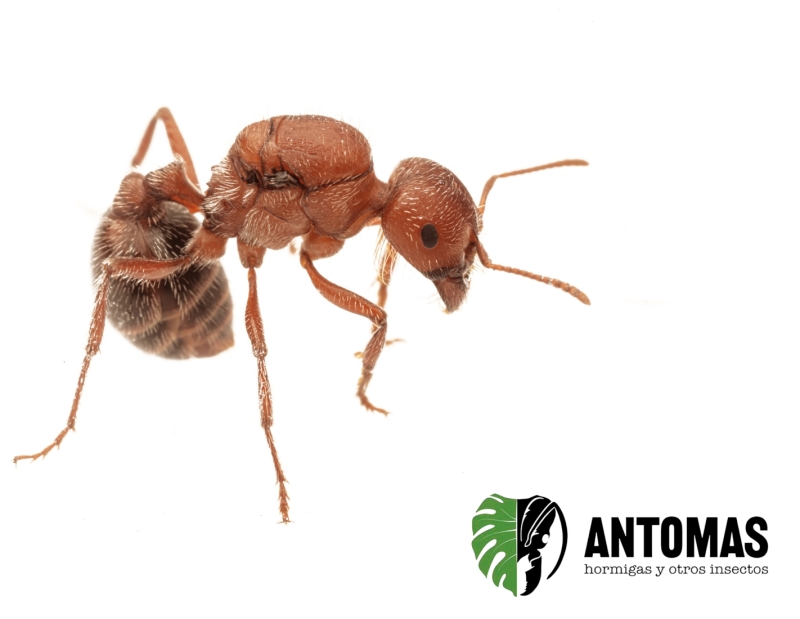
Camponotus sp. CA02 has a large, robust, and clearly polymorphic build.

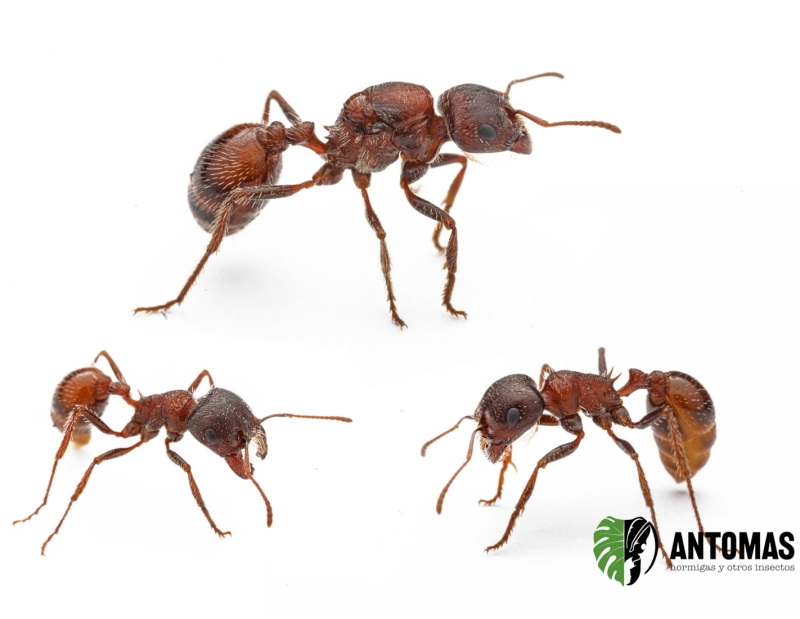
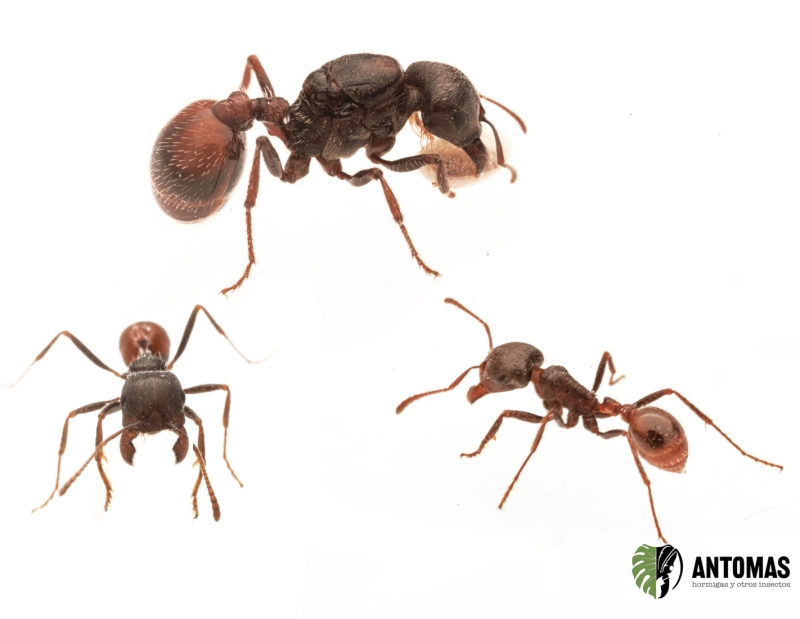
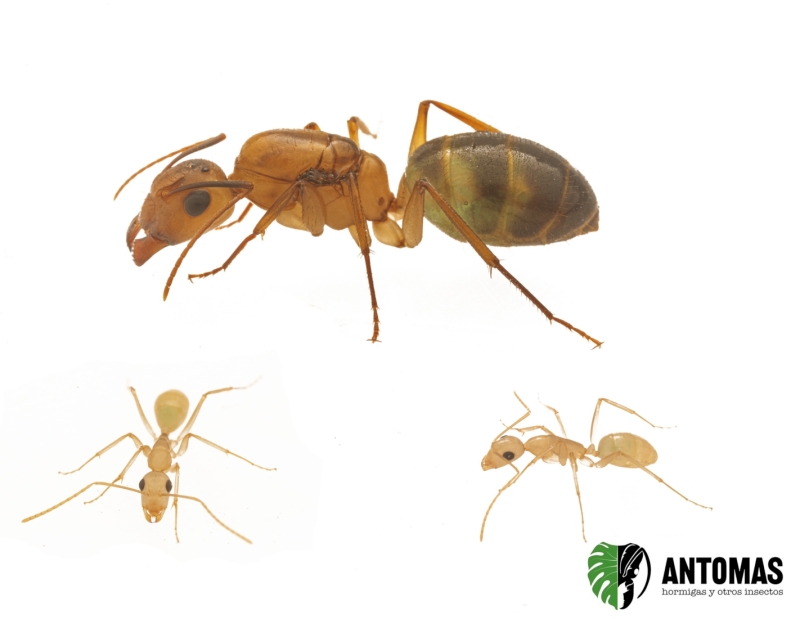
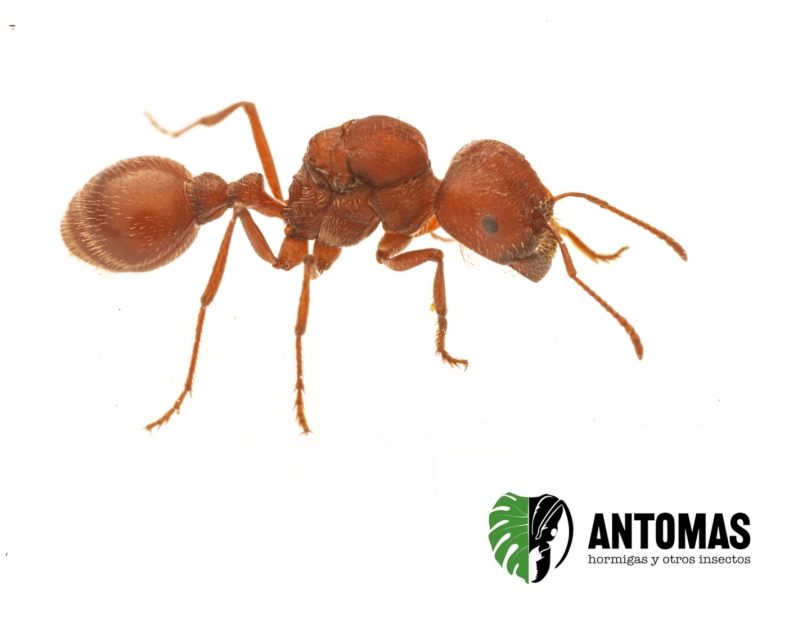
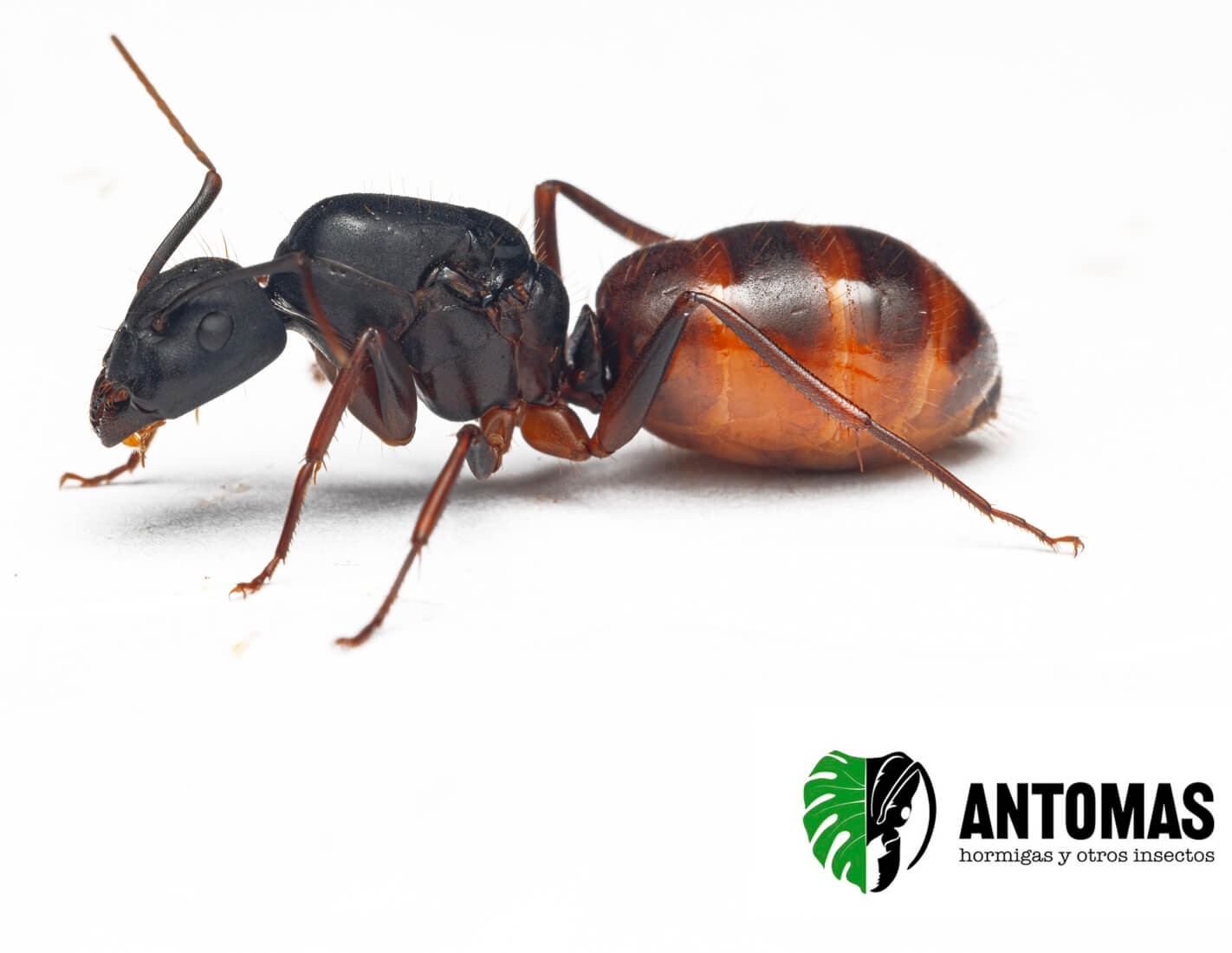
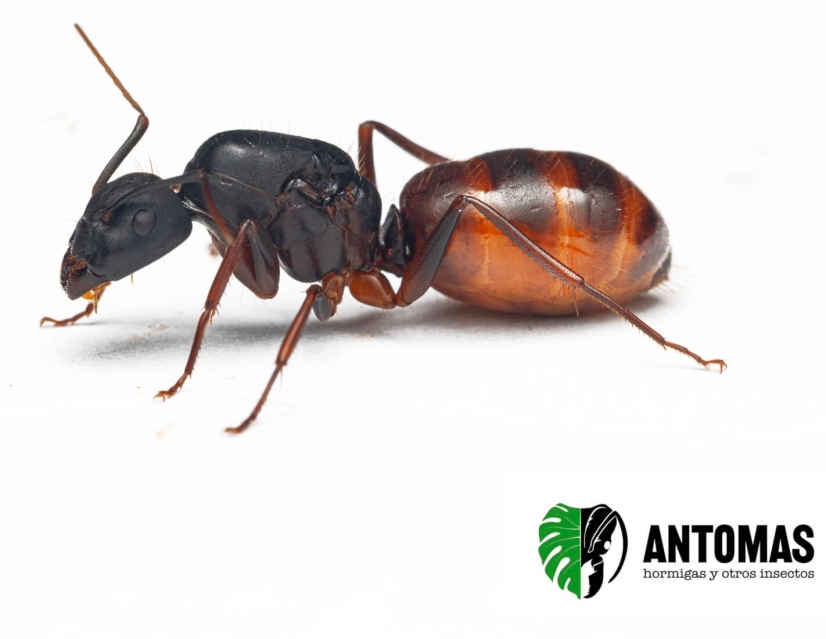
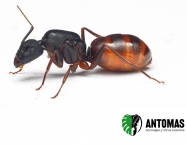
The queen has a predominantly black or very dark brown head and mesosoma. The gaster contrasts with orange, reddish, or chestnut tones, whose intensity may vary between individuals.

Majors maintain this contrast and stand out for their extremely broad head, strong mandibles, and very bulky body. Their appearance can resemble a heavily armored version of the minor workers.

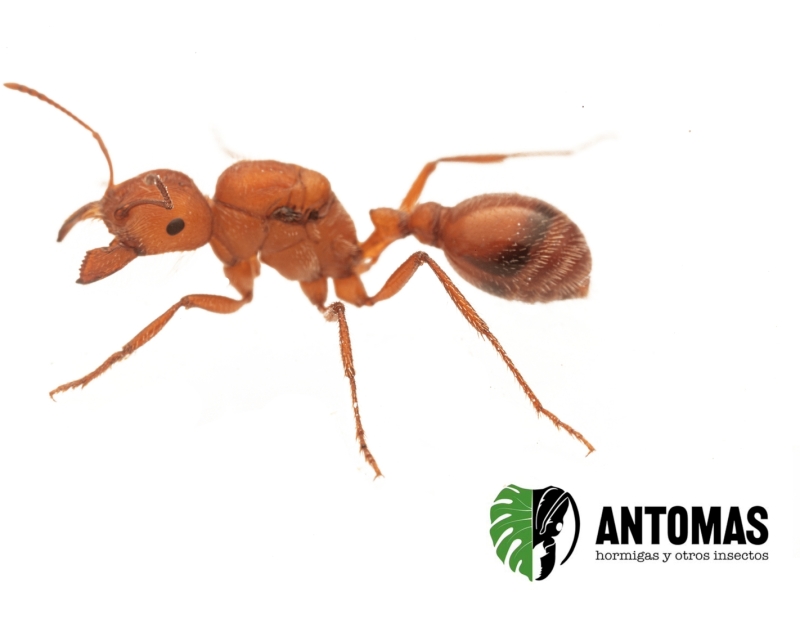
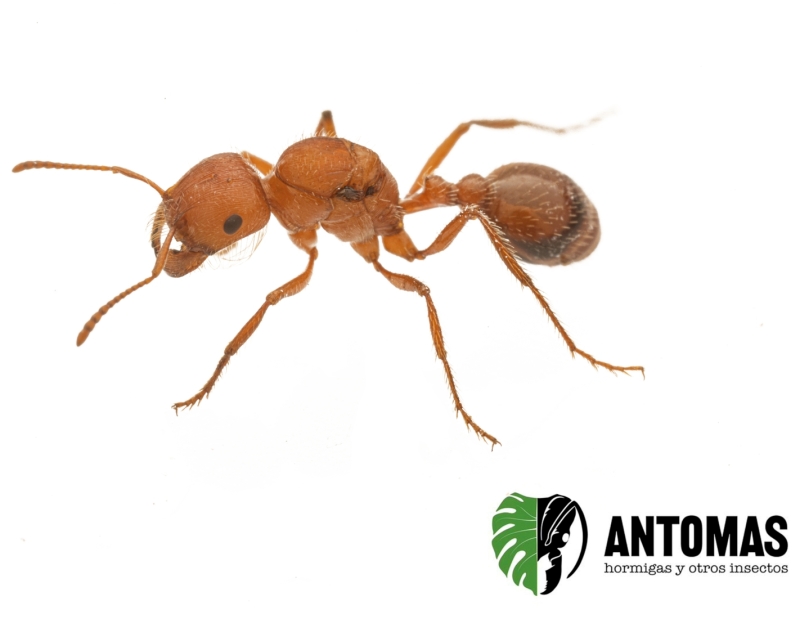
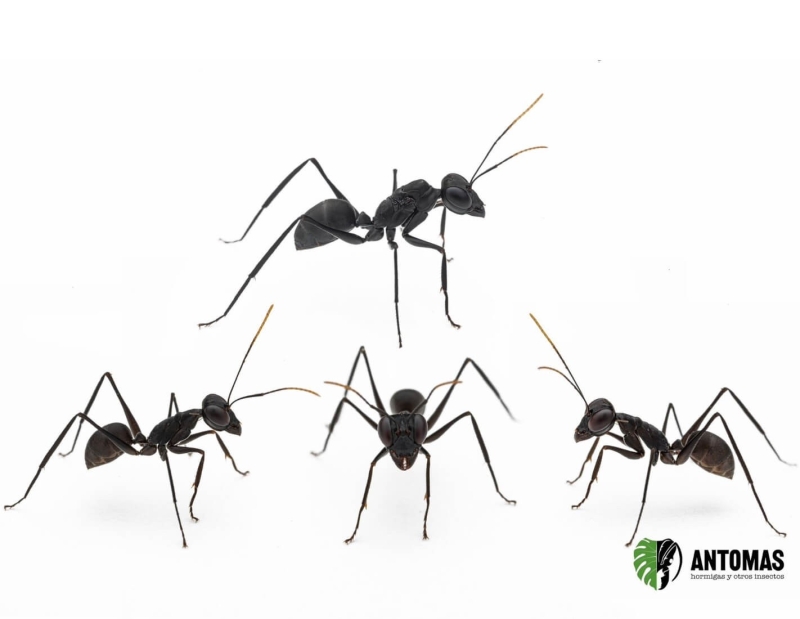
Minor workers are narrower, lighter, and faster. Some may show lighter coloration than majors, especially on the legs, gaster, or parts of the mesosoma.

Workers of intermediate sizes appear between both extremes. There is no absolute separation between workers and soldiers, but rather a gradual succession of forms.

Approximate measurements

Because there is still no formal taxonomic description, sizes come mainly from specimens and lines kept in captivity:

  • Minor workers: approximately 8–11 mm
  • Medium workers: approximately 12–16 mm
  • Major workers: approximately 18–20 mm
  • Queen: approximately 16–18 mm

These ranges should be considered approximate. Measuring specimens sold by Antomas will allow the figures for the available line to be adjusted more accurately.

The eyes are well developed and allow orientation in low light. Long legs make movement fast and efficient during foraging.

As a member of the subfamily Formicinae, it lacks a sting. At the end of the gaster it has an acidopore from which it can release formic acid as a defense.

Majors can bite if they become trapped or if someone tries to handle them. The combination of mandibles and defensive secretion is enough to deter many invertebrates.

CAPTIVE CARE

The difficulty of Camponotus CA02 can be considered intermediate.

Claustral founding and its omnivorous diet make the early stages easier, but its large size, climbing ability, polymorphism, and future need for space require planning.

Recommended parameters

  • Growth temperature: 24–28 °C
  • Nest humidity: moderate, approximately 50–70 %
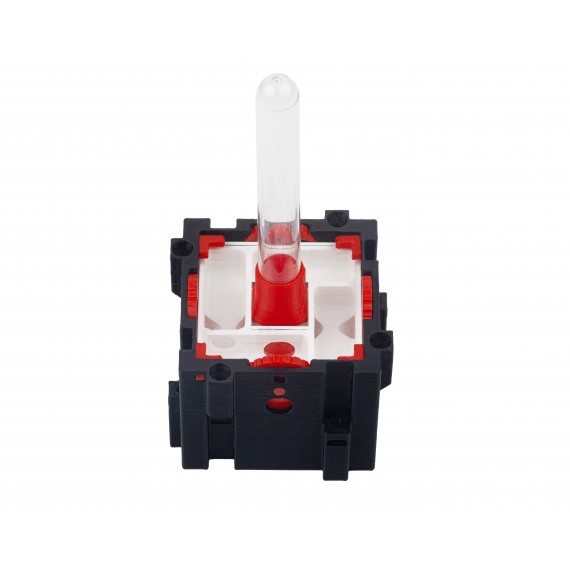
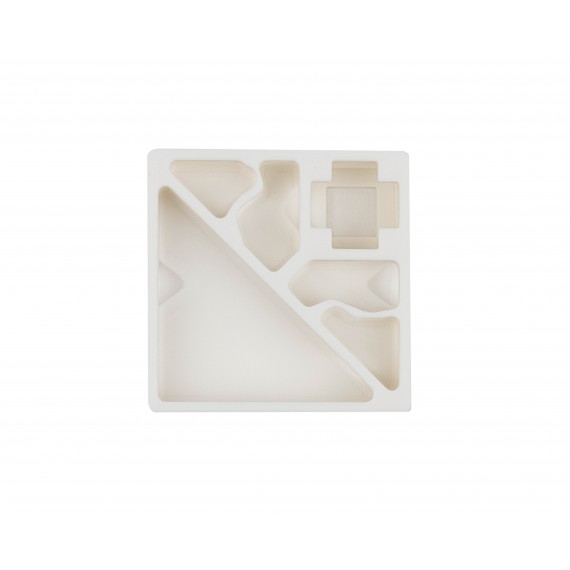
  • Nest: with humidity gradient, good ventilation, and escape-proof connections

It does not need a completely humid nest. A gradient should be provided, with a moderately hydrated area for eggs and larvae and other drier chambers for pupae and resting workers.

Constant excess humidity can encourage condensation, fungi, and waste accumulation. It may also cause the colony to move the brood to less suitable areas.

During founding, the queen can remain in a test tube with a water reservoir. She should be kept in darkness and disturbed as little as possible.

It is not necessary to feed her before the first workers emerge, unless founding becomes abnormally prolonged or the queen shows excessive weight loss.

The chambers should allow the queen and majors to turn without constantly rubbing against the ceiling or becoming blocked in the entrances. Galleries that are too small can become a problem as the large workers appear.

Expansion should be gradual. A small colony does not need a huge formicarium from the beginning, as it could use unused chambers as dumping areas or become stressed.

Wooden nests may also be suitable for a Camponotus.

Feeding

Carbohydrates

Carbohydrates are the main energy source for workers:

  • Ant-specific nectar
  • Sugar water
  • Diluted honey
  • Balanced syrups
  • Small portions of ripe fruit

Large colonies can consume significant amounts of sugary liquids. It is advisable to use safe feeders and keep some energy source available regularly.

Fruit can be offered as a supplement, but it should be removed before it ferments or develops mold.

Proteins

  • Flies
  • Crickets
  • Feeder cockroaches
  • Moths
  • Chopped mealworm
  • Other safe, well-fed insects.

The first workers should receive small, killed, or cut insects. As the population increases, larger prey can be offered.

Protein consumption depends directly on the quantity and size of the larvae. A colony with abundant larval development may accept insects frequently.

Diapause

The true Camponotus CA02 comes from Southern California, a region with mild winters that are nevertheless clearly distinct from summer.

For this reason, it should not be presented as a tropical species with no rest at all. Nor does it require a diapause as cold as Camponotus from more northern or mountainous areas.

It is recommended to provide a moderate winter rest for approximately 8–12 weeks at 14 to 18 °C.

The temperature drop should be gradual. During this period, the queen will reduce or stop egg laying, brood development will slow down, and external activity will decrease.

Access to water should always be maintained, and a small amount of carbohydrates should be offered occasionally. Proteins can be reduced if there are no larvae in active growth.

Temperatures close to freezing should not be applied. Coastal and southern localities of California have mild winters, and natural nests buffer external temperature changes.

Behavior in Captivity

Young colonies tend to be discreet and may remain hidden for much of the day. Activity increases during the evening and night, especially when food is offered.

Workers actively explore and can establish regular routes between the formicarium, drinking stations, and areas where insects are provided.

They climb easily on glass, plastic, silicone, and slightly rough surfaces. The enclosure must have an escape barrier that is properly applied and maintained.

Majors usually remain inside the nest when the colony is calm. They appear more frequently when bulky food, vibrations, or disturbances occur.

Their presence is especially attractive in transparent nests, as it allows observation of how a single colony produces workers with completely different proportions.

Once they reach a certain size, colonies are very aggressive and demonstrate their physical power when subduing live prey or possible threats within their environment.

Handling and Safety

Camponotus sp. CA02 has no sting.

Workers can bite and release formic acid when they feel trapped or threatened. They should not be handled directly with bare hands, especially the majors.

Transfers and maintenance tasks should be carried out using tubes, auxiliary containers, long tweezers, and escape barriers.

Defensive secretions should be prevented from coming into contact with the eyes, mucous membranes, or open wounds. With a secure enclosure and orderly handling, this species can be maintained safely.

No reviews

12 other products in the same category: