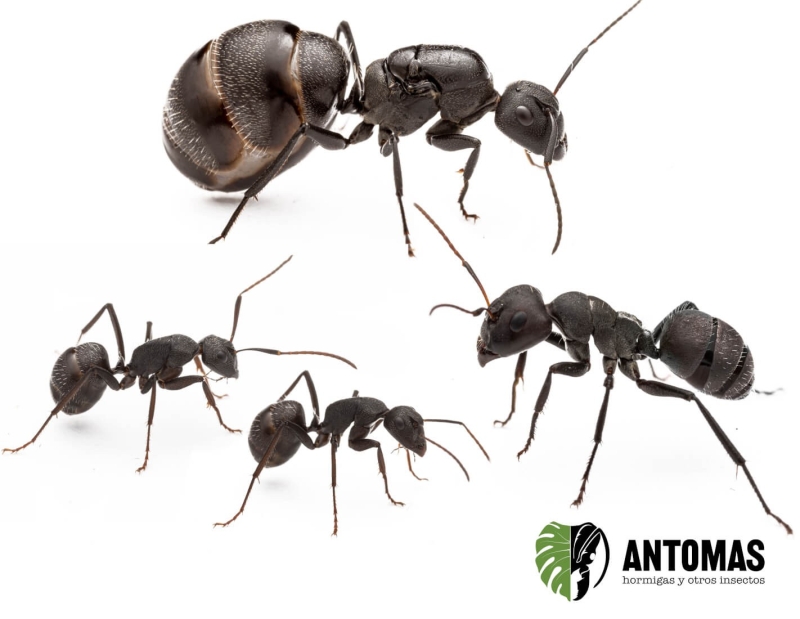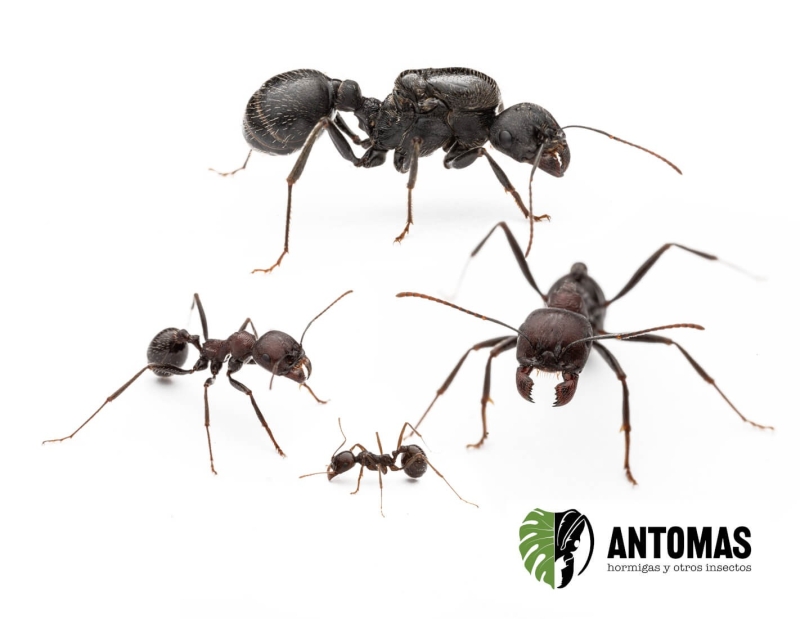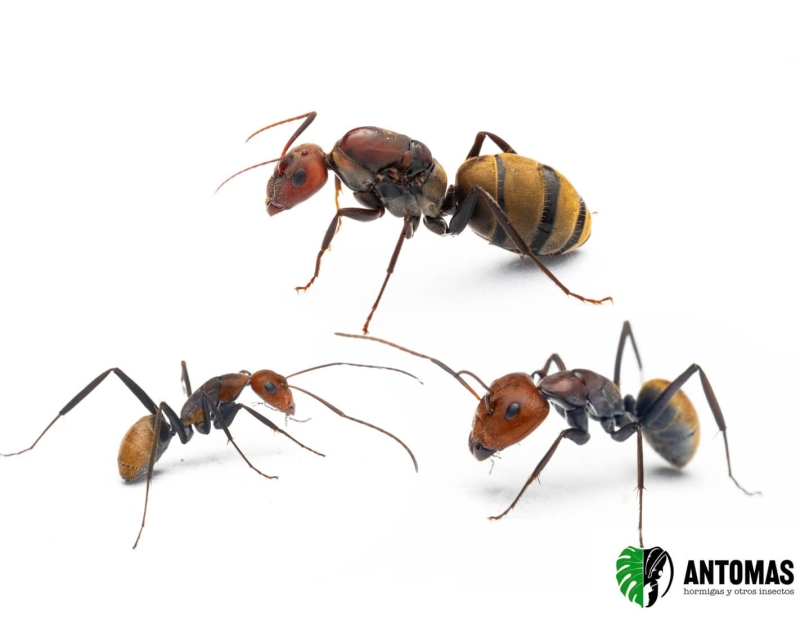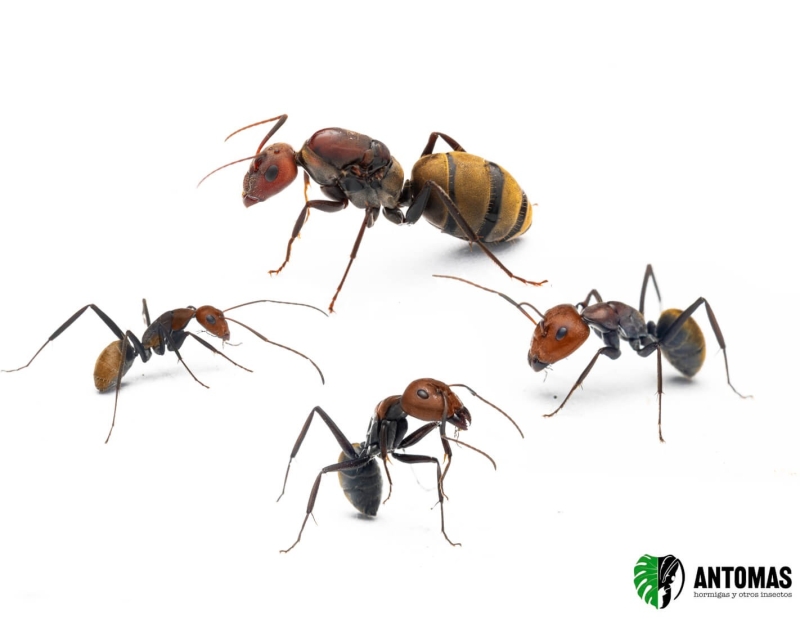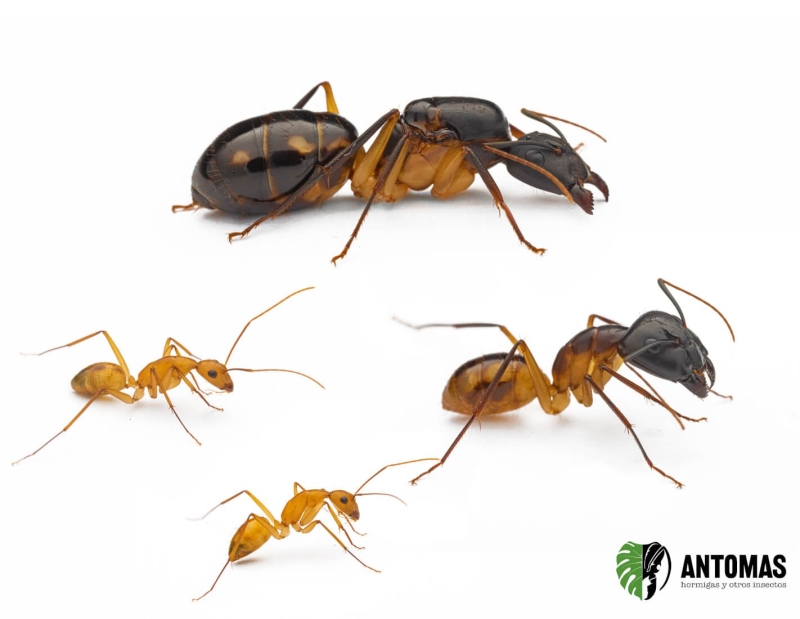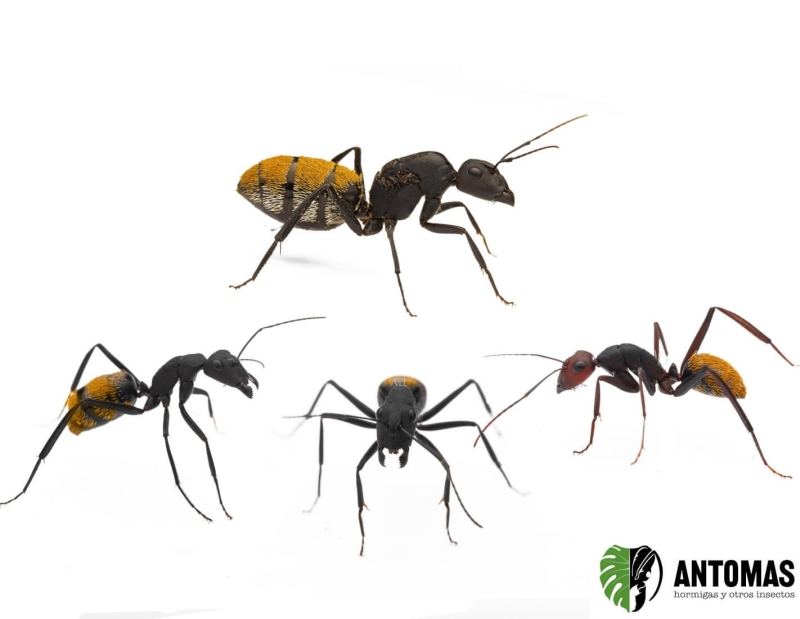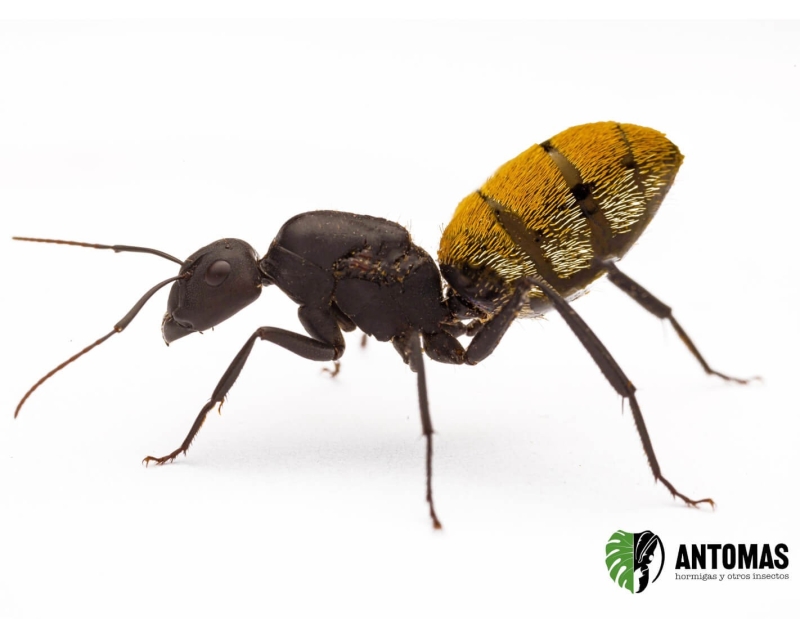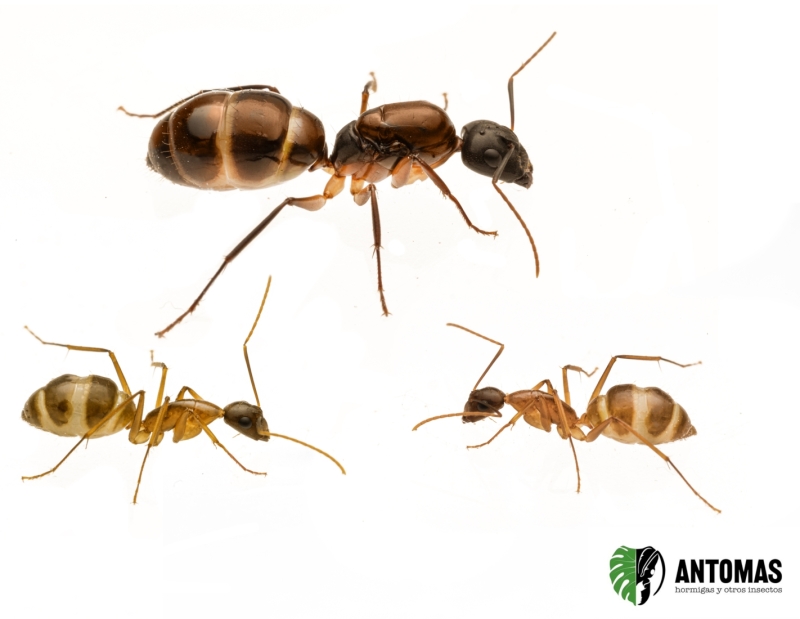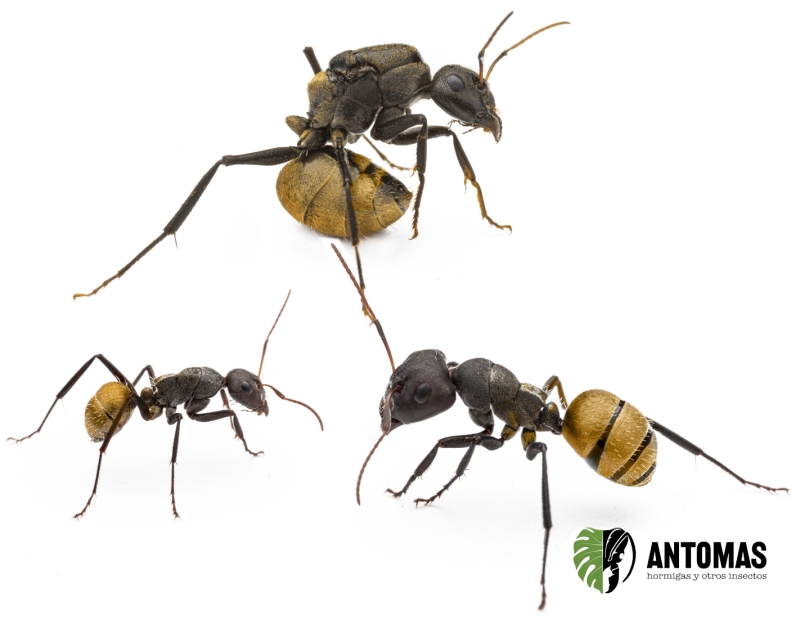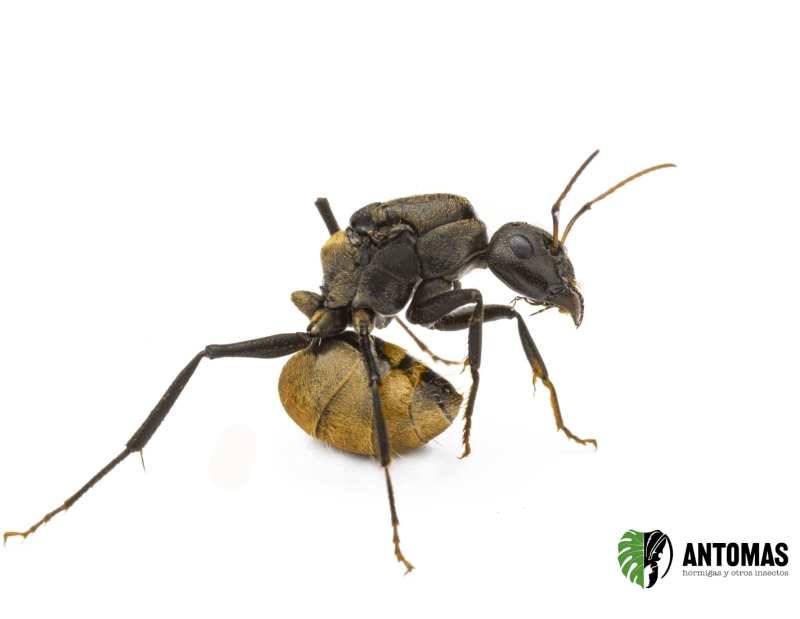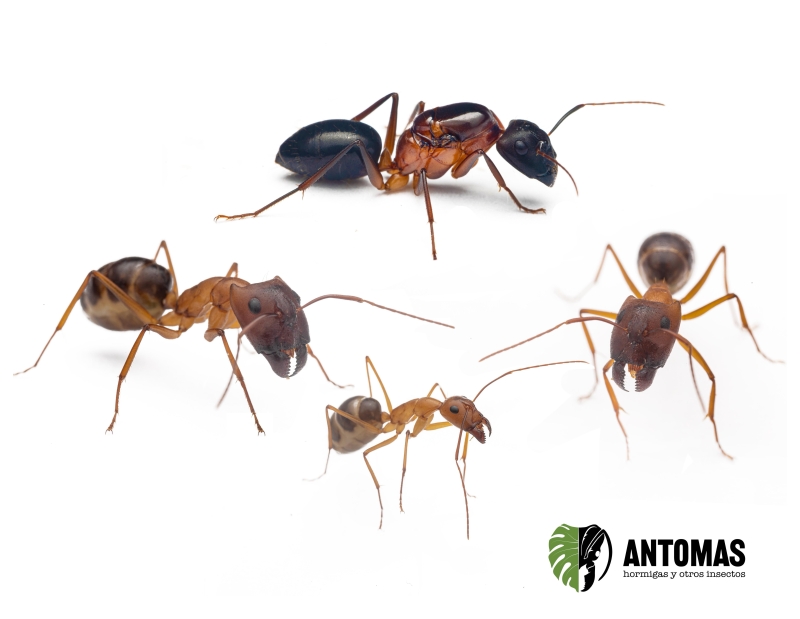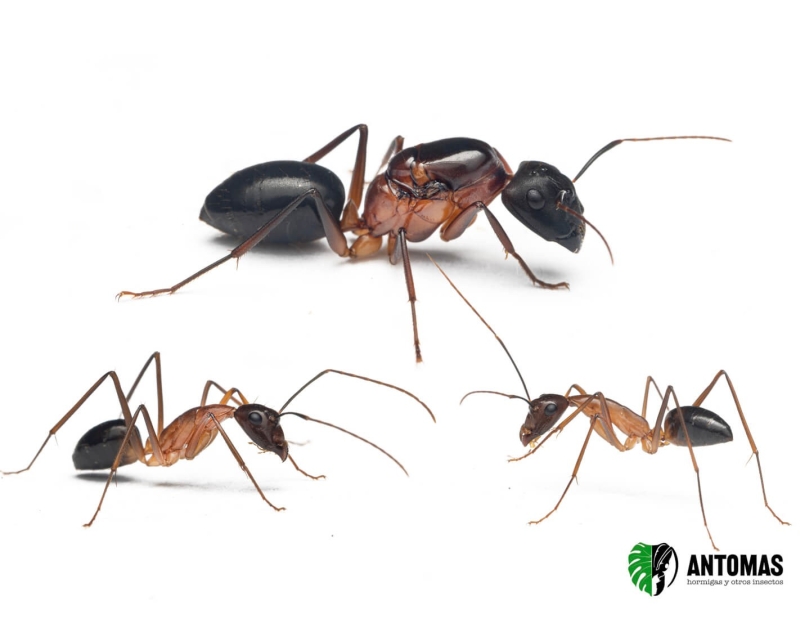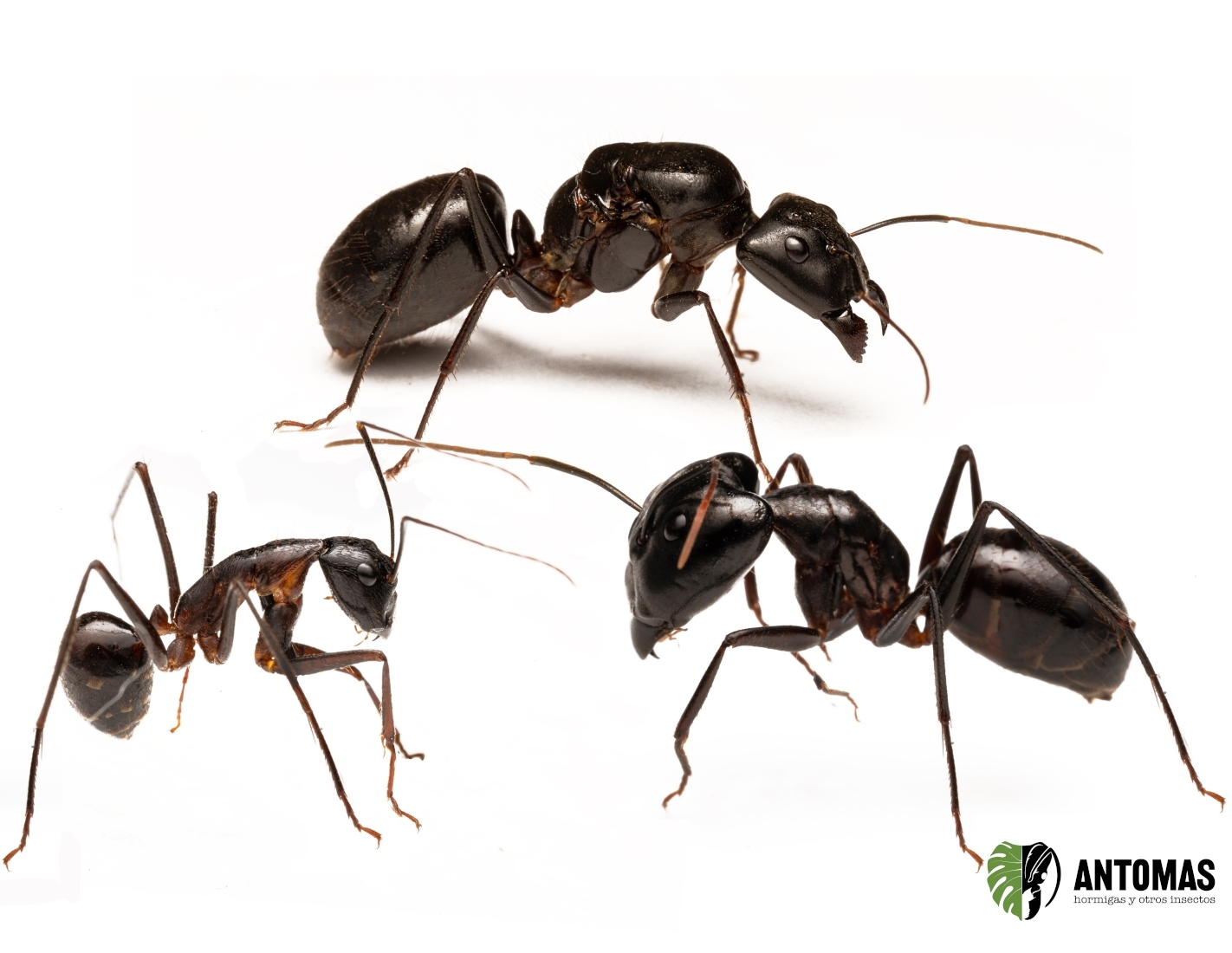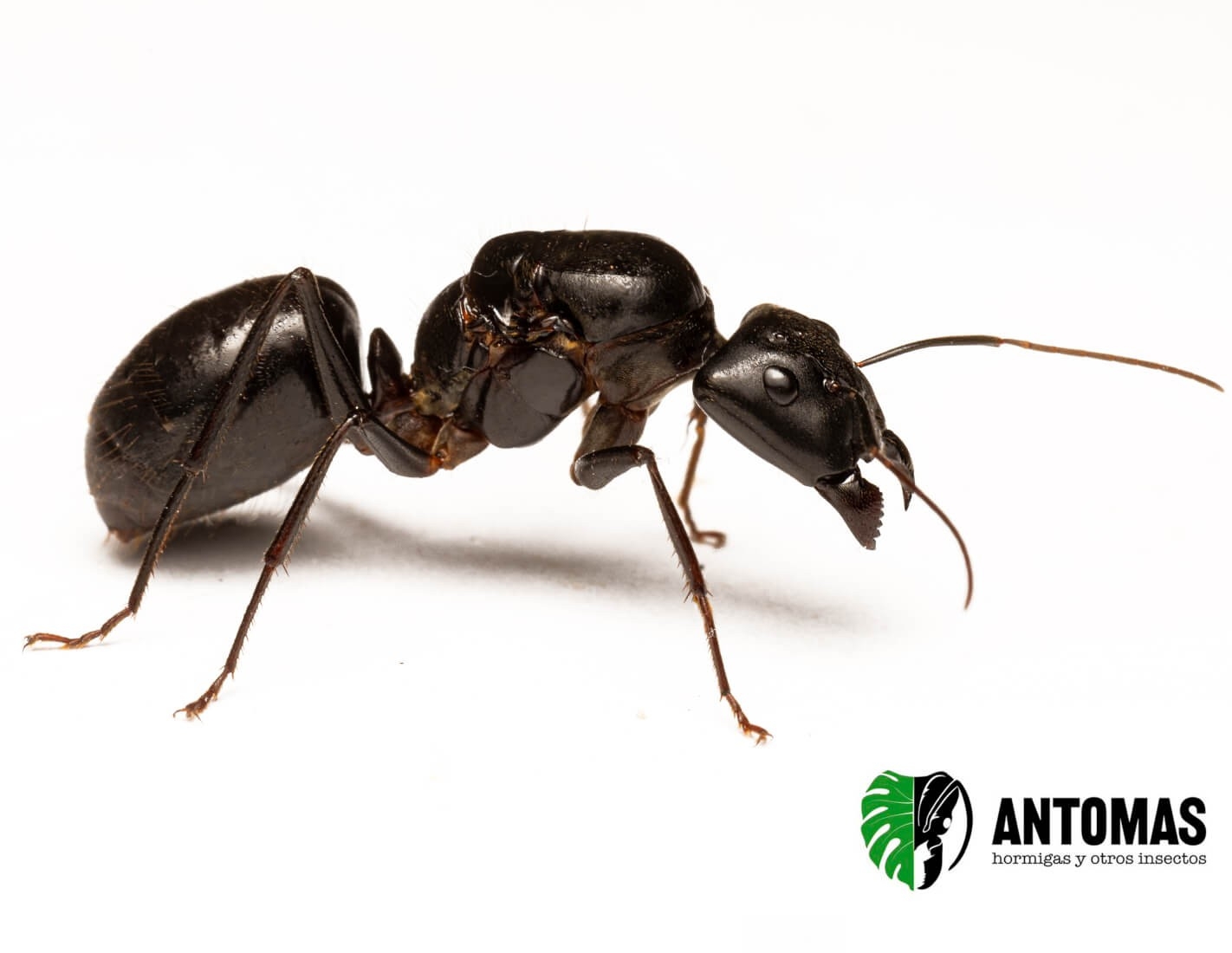
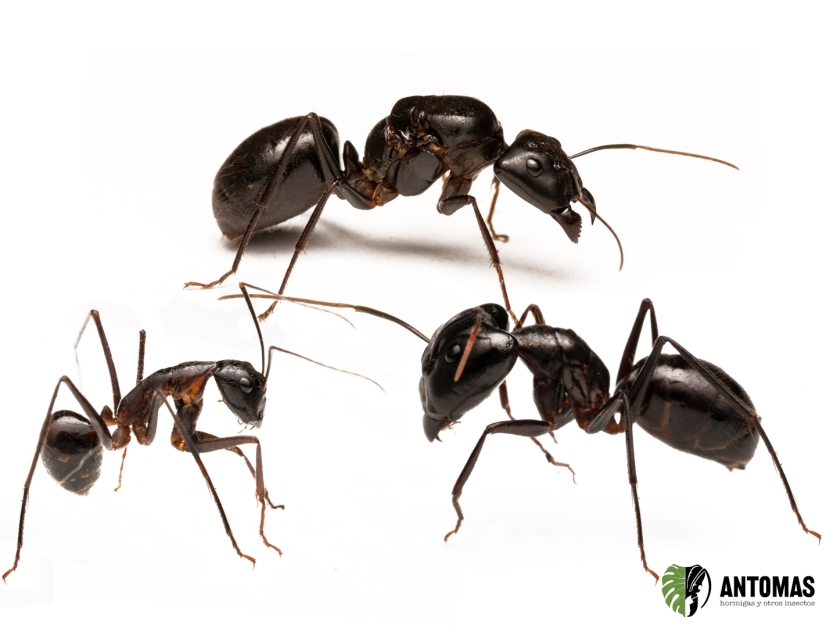
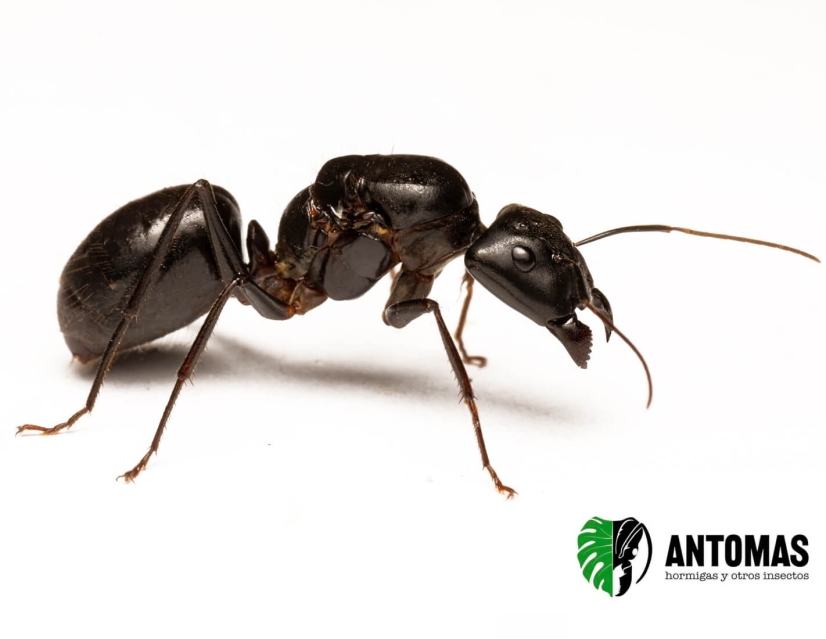
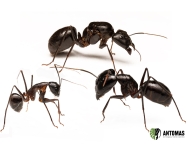
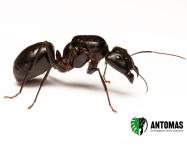
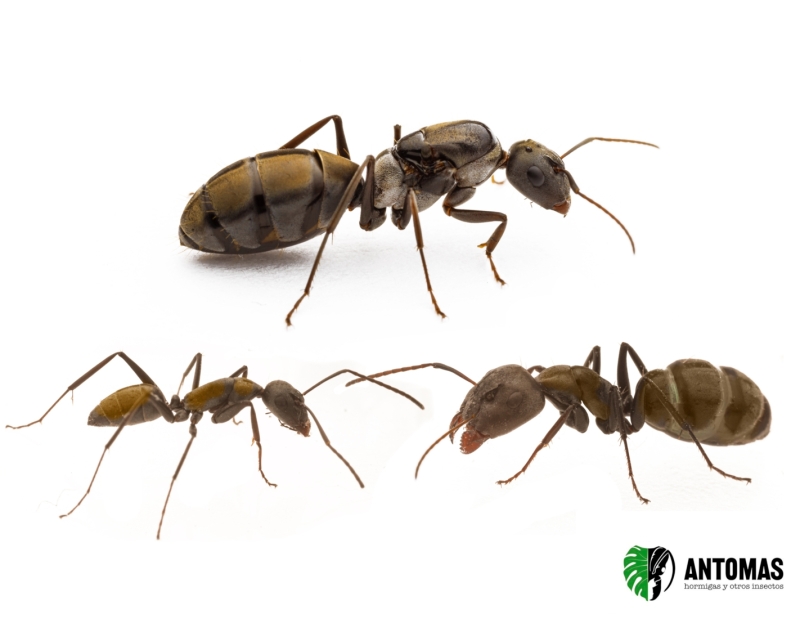
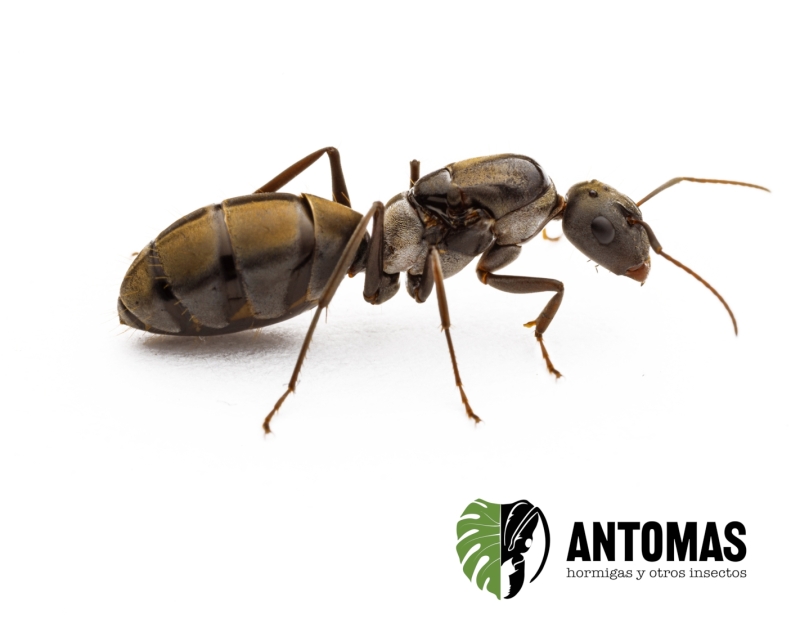
From a trophic perspective, it displays strongly predatory behavior. Unlike many species of the genus Camponotus, which base much of their diet on sugary liquids and carrion, this form appears to act as an active hunter of large arthropods. It has been observed capturing various terrestrial insects and, particularly strikingly, termites, distinguishing it from most Camponotus, which rarely specialize in this resource.