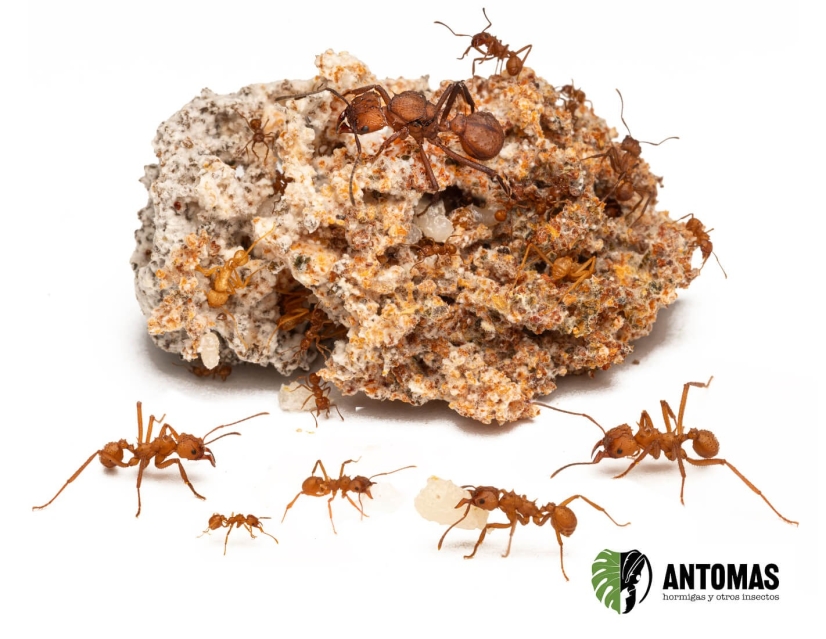
Acromyrmex octospinosus | Buy Leafcutter Ant | Antomas

Acromyrmex octospinosus - Leafcutter Ant

€189.99
VAT included
Colony


Acromyrmex octospinosus – Leaf-cutting Ant

BIOLOGY

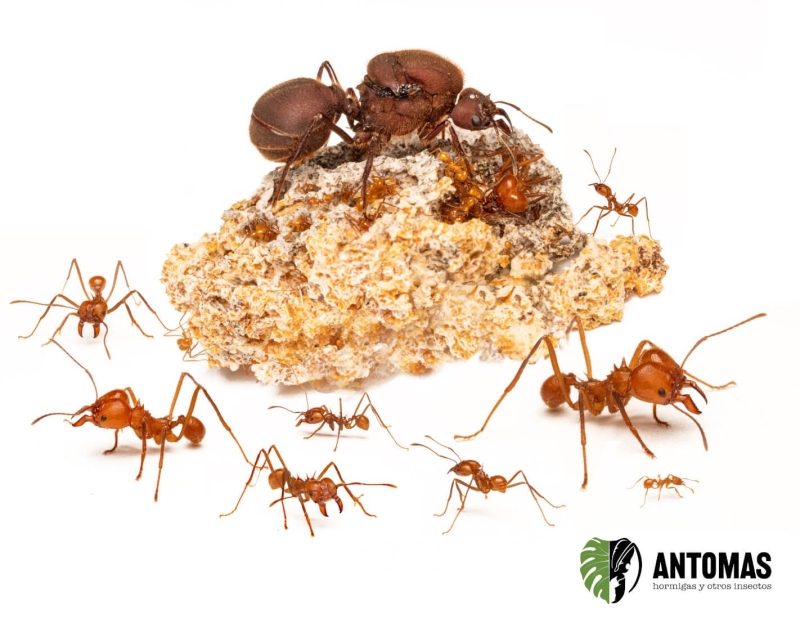
Acromyrmex octospinosus is a Neotropical leaf-cutting ant distributed from Mexico and Central America to much of northern South America and several Caribbean islands. It occurs in humid forests, secondary forests, open areas and agricultural environments, and has been studied in detail in places such as Panama and Trinidad.

Its taxonomy has changed significantly recently. A phylogenomic revision published in 2025 concluded that the former Acromyrmex octospinosus complex was much more fragmented than justified by the genetic data. Species formerly recognised as Acromyrmex echinatior and Acromyrmex volcanus, together with several subspecies, are now considered synonyms of a single highly variable species: Acromyrmex octospinosus.

This revision is also important for interpreting its biology, because behaviours and social structures formerly published under the name A. echinatior are now part of the known variability of A. octospinosus.

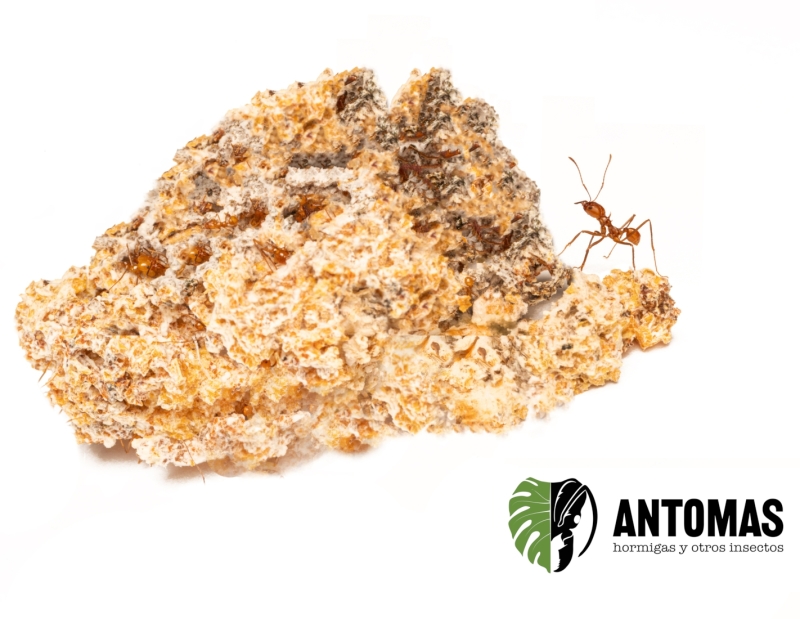
The colony does not feed directly on the leaves it cuts. Workers collect leaves, flowers, petals, tender stems and other plant tissues to use them as substrate for cultivating a symbiotic fungus, traditionally identified as Leucoagaricus gongylophorus.

The plant material undergoes highly elaborate processing. Workers cut, lick, scrape, perforate, chew and progressively reduce it before incorporating it into the garden. The smallest workers then prepare the finest particles and place them exactly where the fungus is growing.

During this process the ants also obtain food directly. While cutting and handling plant tissues, they may ingest some of the sap and liquids released by the leaves, while the fungus provides an essential source of nutrients for the colony, particularly for larval development.

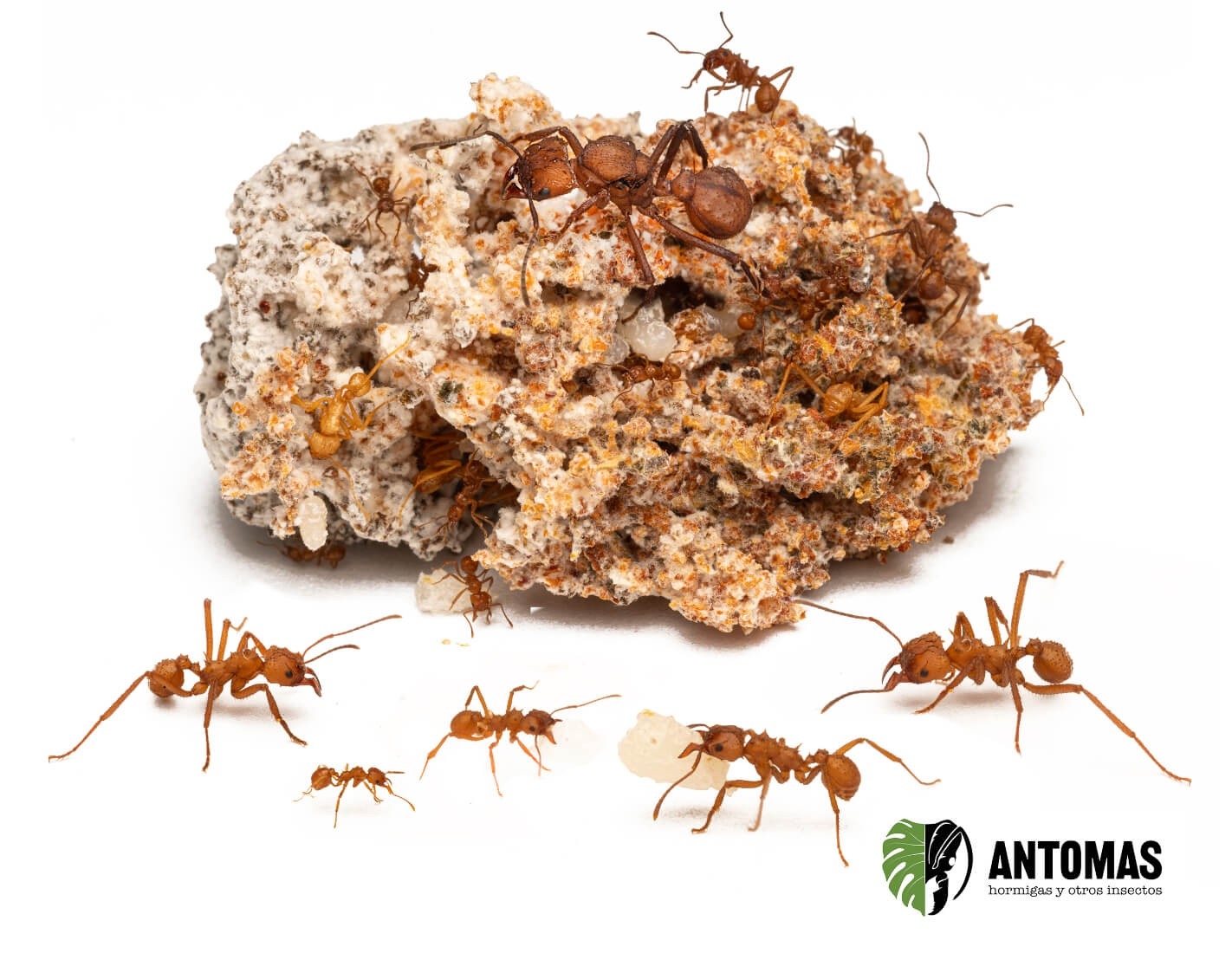
The division of labour is very pronounced. Large workers participate more frequently in cutting, transport, defence and the initial handling of leaves; medium-sized workers process material and perform other internal tasks; the smallest minors can enter the three-dimensional structure of the garden and are particularly important in caring for the fungus, eggs and larvae.

However, there is no clearly separated soldier caste as in many Atta species. In Acromyrmex we mainly find a continuum of worker sizes and specialisations.

Colonies can reach several thousand individuals. In Trinidad, the largest nest excavated in a field study contained around 14,000 individuals, and a medium-large colony could produce approximately 200–300 sexuals during the reproductive season. This figure should not be understood as an absolute maximum for the species, but it shows that mature colonies can greatly exceed ten thousand individuals.

An extremely complex form of agriculture

Keeping A. octospinosus means keeping much more than a colony of ants.

The survival of the society depends on an entire agricultural microecosystem composed of the ants, their fungal cultivar and different associated microorganisms.

The garden can be attacked by specialised fungi such as Escovopsis. To combat them, the ants constantly clean the crop: they remove altered fragments, groom one another, clean particles before incorporating them and use antimicrobial secretions.

There are also symbiotic bacteria associated with the cuticle of certain workers, including actinobacteria related to Pseudonocardia, which can contribute to protecting the garden against competing microorganisms.

It has also been shown that not all workers have exactly the same relationship with these bacteria. Certain workers with an external bacterial coating spend proportionally more time performing tasks related to maintenance and cleaning of the fungus.

The garden is therefore not a passive mass that simply receives leaves: it is a crop subjected to selection, cleaning, pruning, fertilisation, microbial control and constant waste removal.

Toxic plants, pesticides and learning

Leaf-cutting ants have an extraordinary ability to select which material is worth incorporating into the crop.

This does not mean that they are resistant to pesticides.

In fact, different plant extracts have been shown to be toxic to A. octospinosus. Substances obtained from plants such as Mammea americana, Nicotiana tabacum or Nerium oleander can cause toxicity through contact or ingestion in the workers themselves.

The colony does, however, have different behavioural filters.

Foragers inspect material before collecting it; subsequently, other workers lick, cut, scrape and chew it before incorporating it into the garden. The ants can also learn to reject certain substances after a negative experience. In experiments with A. octospinosus, workers learned within a few days to avoid substrates associated with compounds produced by the parasitic fungus Escovopsis.

In captivity this can produce a potentially misleading situation: with certain contaminated plants, affected workers may appear before we observe obvious damage to the garden.

This makes sense. The ants are the first to handle, taste and physically process the plant before incorporating it into the fungus garden.

This does not mean that the fungus is immune to the substance. It simply means that the workers may receive the first exposure.

In Antomas' experience, precisely this can happen: mortality or abnormalities may begin to appear among the workers while the garden still apparently retains a normal appearance.

For this reason, plants from places where we do not know what treatments have been applied should never be used.

Washing a leaf does not necessarily eliminate the problem either. Many modern insecticides, acaricides and fungicides are systemic, so they remain inside plant tissues.

Communication

The organisation of thousands of workers around a single crop requires a highly complex communication system.

When a forager finds a suitable plant source, it can chemically reinforce the route back to the nest using trail pheromones. Other workers detect the signal and progressively increase traffic towards the resource.

However, the colony does not rely exclusively on a simple chemical highway.

Recognition of nestmates is also influenced by the environment. Experiments with A. octospinosus showed that colonies fed on different plants could progressively alter their colony odour and increase aggressive interactions between them. Diet therefore forms part of the colony’s “chemical signature”.

Liquid food is also exchanged through trophallaxis. In experimental studies, more than 60% of certain foragers returning with liquid food subsequently transferred part of that content to another worker.

Information and nutrients circulate continuously throughout the entire society.

Stridulation and vibrations

Acromyrmex also possesses a stridulatory apparatus capable of producing vibrations through the relative movement of structures of the postpetiole and gaster.

These signals should not simply be imagined as an audible sound similar to that of a cricket. For ants, vibrations transmitted through the substrate are particularly important.

In leaf-cutting ants, vibrational signals associated with different contexts of communication, alarm and foraging activity are known, although the exact function of each pattern has been studied much more thoroughly in some Atta species than specifically in A. octospinosus.

For this reason, we do not assign a fixed meaning to each stridulation when this has not been demonstrated.

The important point is that communication in these ants is not limited to smell and contact: there is also a vibrational dimension to colonial behaviour.

Combat queens

One of the most interesting curiosities of this species is what we in the hobby usually call “combat queens”.

The phenomenon was originally studied under the name Acromyrmex echinatior, a species that, since the 2025 taxonomic revision, is considered a synonym of A. octospinosus.

Some virgin gynes that do not successfully complete the nuptial flight or lose their wings before reproducing may remain within their natal colony.

Instead of behaving as inactive reproductives for the rest of their lives, these females can change function and begin performing tasks normally carried out by workers.

It has been experimentally demonstrated that wingless virgin females can participate in:

brood care, nest maintenance and defence against intruders.

They also show a much stronger defensive response towards individuals from other colonies.

This is where our informal name combat queens comes from.

They should not be confused with newly mated queens.

A large dealate female moving around a mature colony may simply be a virgin gyne that missed her reproductive opportunity and is contributing to the functioning of her natal colony.

Social structure

The reproductive structure of the species also shows variation.

Following the 2025 taxonomic revision, it is no longer correct to describe A. octospinosus throughout its entire distribution as strictly monogynous. Populations formerly known as A. echinatior include facultatively polygynous colonies, and nests with more than one queen have been documented.

Queens can also mate with several males.

This does not mean that we can freely mix queens from different colonies.

If an Antomas colony arrives already established with several reproductive queens, it can be maintained that way. But natural polygyny does not mean automatic acceptance of an unrelated queen introduced later.

Colony founding

Colony founding in A. octospinosus is semiclaustral.

During the early stages, the queen leaves the shelter to collect small fragments of plant material with which to feed her initial fungus garden.

In studies carried out in Panama, founding queens were observed making between zero and three daily trips to collect leaves, roots, grasses and flowers.

The queen begins the colony with a small portion of the symbiotic fungus that she carries from her natal colony. This small culture becomes the basis of the entire future garden.

During colony founding, the queen also performs highly elaborate hygienic behaviours. She may carefully clean her legs before touching the garden and use secretions associated with the metapleural glands before handling the fungus.

The first workers may take several months to appear. In field studies, the first 3–7 workers were observed approximately 2.7 months after colony founding.

For this reason, we should never assess a queen's success solely by how quickly she produces workers. The priority during this stage is to keep the small fungus garden stable and healthy.

SIZE AND MORPHOLOGY

Acromyrmex octospinosus shows very pronounced worker polymorphism.

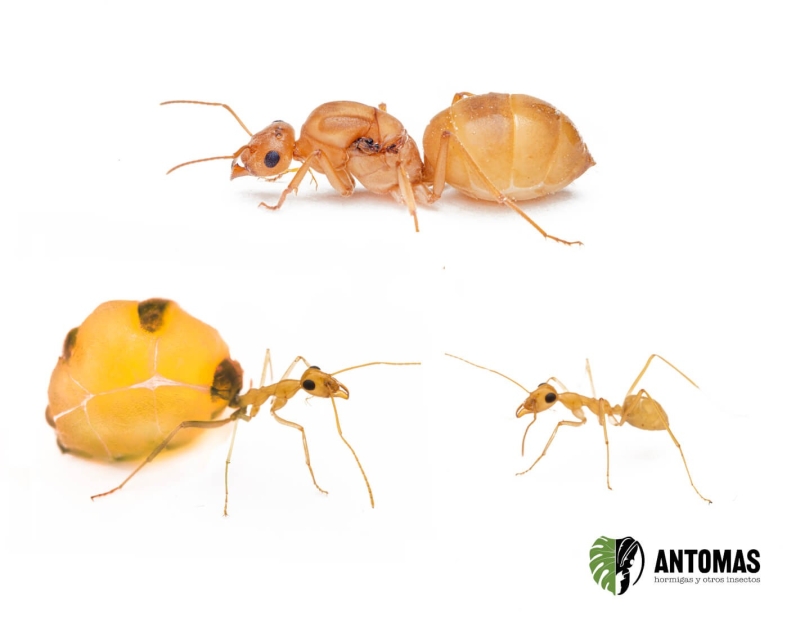
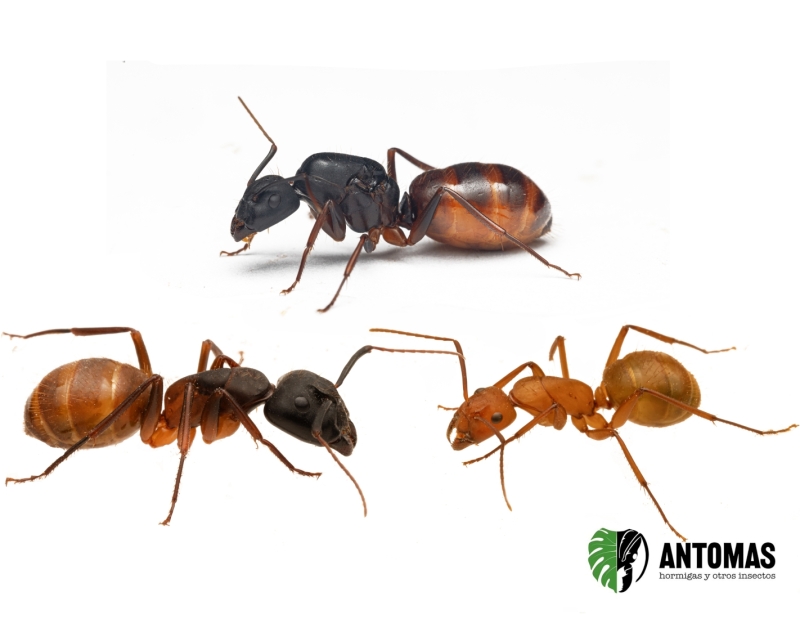
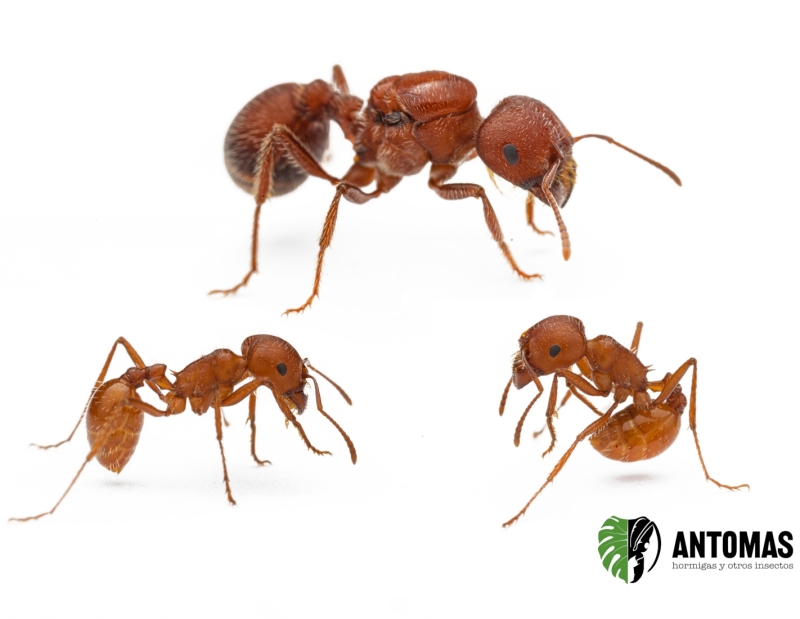
The smallest workers may measure only a few millimetres, while large foragers can reach approximately 7–9 mm. The queen is usually around 10–13 mm, although there is considerable geographical variation and these figures should be regarded as approximate.

Modern taxonomic revision has demonstrated precisely that A. octospinosus exhibits enormous morphological variability throughout its distribution.

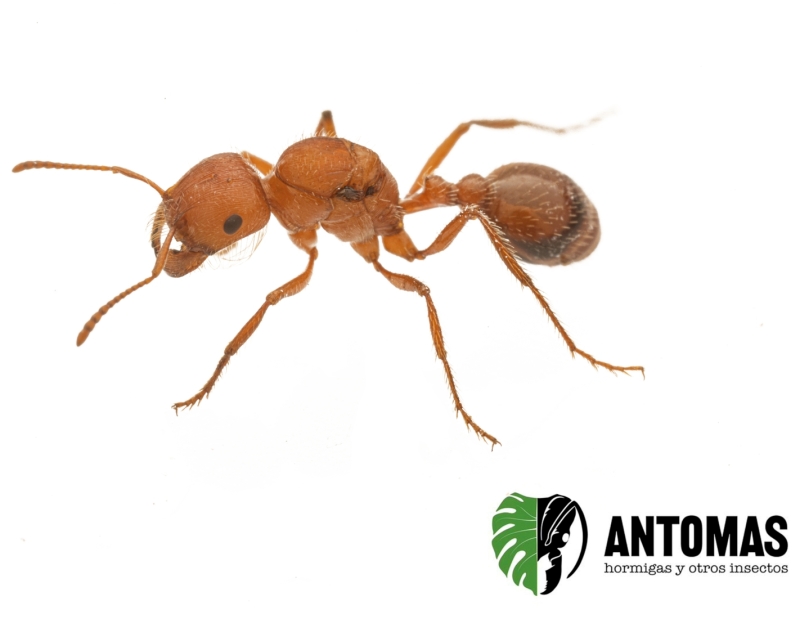
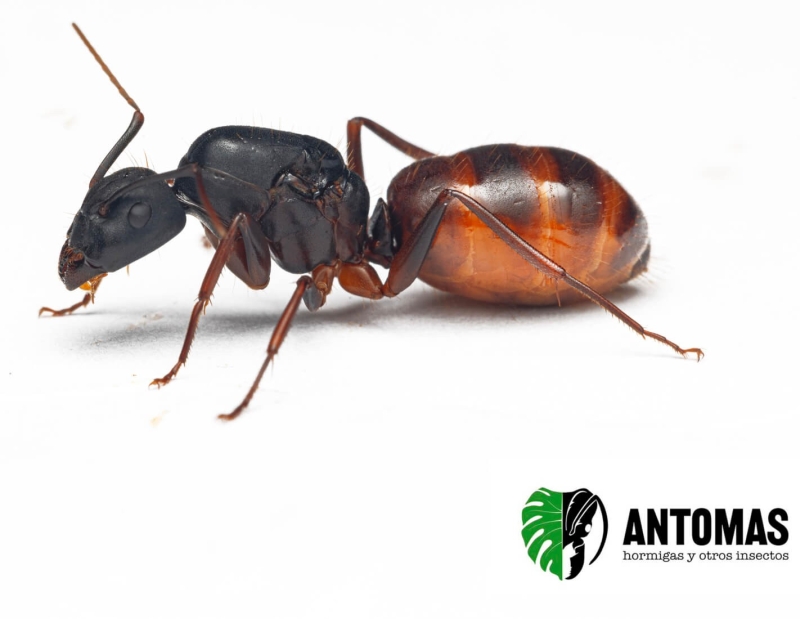
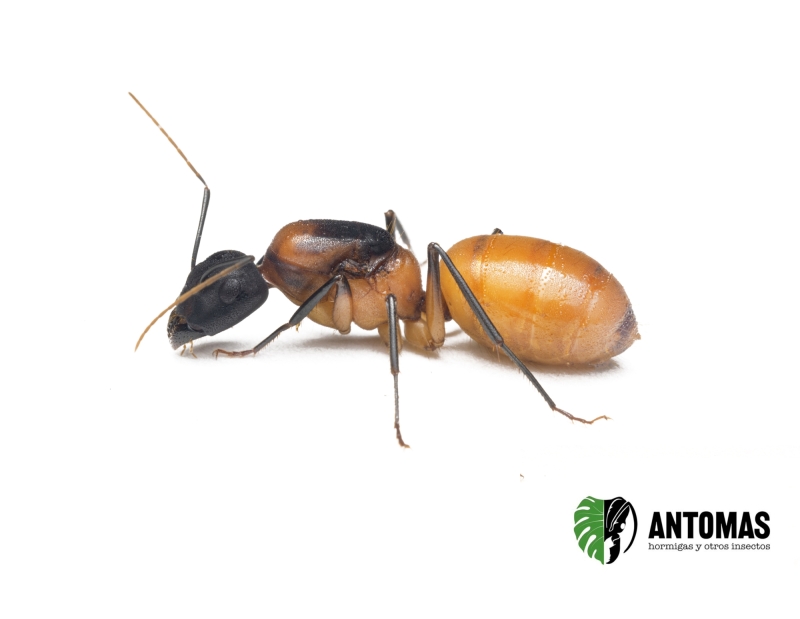
Colouration usually ranges from reddish brown to orange, dark reddish or brown tones.

The body has very pronounced sculpturing.

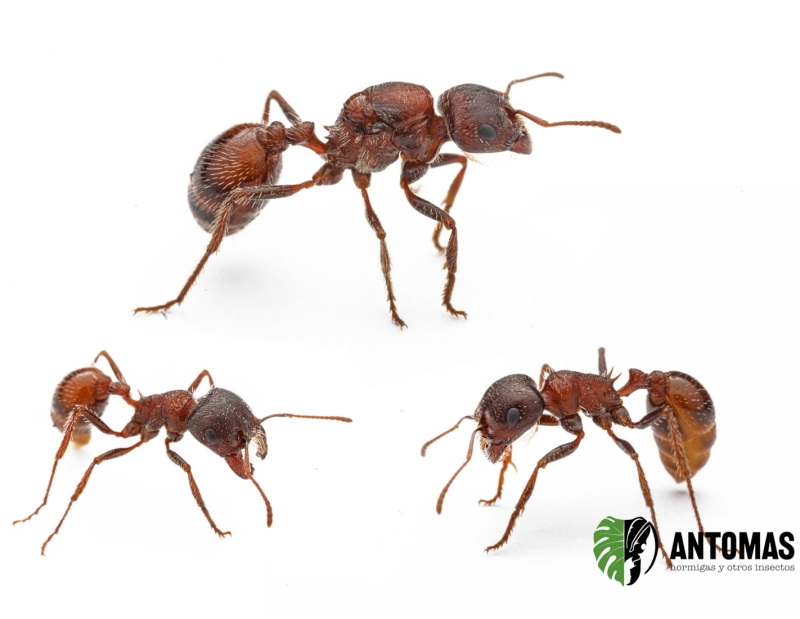
The most obvious characteristic is the presence of numerous spines on the mesosoma, which gives rise to the name octospinosus.

The mandibles of the larger workers are especially well developed for cutting plant tissues.

The minors, by contrast, are small enough to penetrate deeply into the three-dimensional structure of the fungus garden.

There are no separate giant soldiers as in some Atta species.

The pupae are naked.

KEEPING IN CAPTIVITY

Difficulty: 3/5 – Advanced

At Antomas, we classify Acromyrmex octospinosus as 3/5 – Advanced.

Once the colony is established and has a stable fungus garden, it is actually a relatively straightforward species to keep.

It does not require extremely complex daily care or parameters that are impossible to achieve.

The main difficulty lies in understanding that we are keeping a living fungus.

A stable colony with an appropriate temperature, safe plants, sufficient ventilation and a separate waste area can grow with very little intervention.

Temperature

I would maintain approximately 23–26 °C in the fungus-garden area.

Stability is generally more important than trying to achieve an extremely high temperature.

I would not apply intense heat directly to the fungus container.

Higher temperatures also increase evaporation and can cause condensation to develop much more rapidly.

Humidity: the fungus needs humidity, but not water

This is one of the most important points in the entire care sheet.

The fungus needs high humidity to grow properly, but a humid garden is not the same as a wet garden.

The fungal mass itself contains a great deal of water.

As the colony respires and the garden releases moisture through evaporation, the air inside the container can become saturated. If the walls or lid are slightly cooler, the water vapour condenses again.

With sufficient condensation, droplets begin to fall towards the bottom and may eventually form pools of water inside the fungus container.

This accumulated water is dangerous.

In Antomas' experience, a garden that remains wet or partially flooded can deteriorate and die.

For this reason, we must monitor not only ambient humidity, but especially the presence of free liquid water.

If a pool of water begins to form, we must take action.

It may be necessary:

to physically drain the accumulated water, carefully remove the liquid if the design of the container allows it, and increase ventilation.

We must then determine why the condensation occurred: an excessively closed container, a very large temperature difference, too much external hydration, or simply a fungal mass that is already producing more moisture than the container can evacuate.

A chamber that becomes completely fogged up for a short period does not necessarily indicate a problem.

What is concerning is when condensation continuously precipitates and eventually accumulates as liquid water.

Ventilation

Ventilation is essential.

The garden and thousands of ants produce CO₂, heat and water vapour.

Studies on the natural nest architecture of Acromyrmex show precisely that nest structure is closely related to gas exchange.

Acromyrmex octospinosus builds relatively shallow nests. A classic nest excavated in Trinidad contained a single large fungus garden in a shallow chamber, an architecture that facilitates gas exchange with the outside much more effectively than the enormous deep systems of some Atta species.

For this reason, I would not keep the fungus hermetically sealed.

Ventilation must be sufficient to prevent CO₂ accumulation and excessive condensation, but without rapidly drying out the surface of the garden.

This balance is much easier to achieve with a setup specifically designed for leaf-cutting ants than by attempting to improvise with a completely sealed container.

Monocameral or polycameral?

In its classic architecture, A. octospinosus is much closer to a monocameral or few-chambered leaf-cutting ant than to a large polycameral Atta colony.

In Trinidad, shallow nests with a single main fungus garden have been documented.

However, I would not state that every population of the species necessarily has a single chamber. Following the 2025 taxonomic revision, we know that A. octospinosus encompasses very different populations, and the genus can develop additional chambers as colony size increases.

Above all, in captivity there is no disadvantage to using several fungus containers.

A colony can perfectly well maintain two, three or more connected containers if it needs additional space.

The ants will decide how much fungus to maintain in each one and can move material from one module to another.

Therefore:

In nature: normally a shallow nest, frequently with one main fungus garden.

In captivity: several connected fungus containers work perfectly and make it easier for large colonies to expand.

Setup recommended by Antomas

For Acromyrmex octospinosus, the system we recommend at Antomas is the FUNGARIUM by Anthouse.

It is specially designed for keeping leaf-cutting ants and makes it possible to organise the colony’s functional areas in a modular way.

Ideally, we should separate:

fungus garden → foraging area → waste chamber

and add new fungus containers as the colony grows.

This separation makes maintenance considerably easier.

The waste chamber should remain away from the fungus chambers. The ants themselves tend to concentrate plant remains, fragments of dead fungus, corpses and other waste in specific areas.

If they spontaneously choose a module as their waste chamber, it is preferable to respect this arrangement rather than continually forcing them to reorganise.

Feeding

The diet should be based on fresh, varied plant material that is completely free from chemical treatments.

Different plants can be used depending on availability and acceptance by the colony.

In laboratory studies, colonies of A. octospinosus have been maintained with plants from genera such as:

  • Rosa
  • Vitis
  • Prunus
  • Acer

as well as other ornamental and shrubby species.

In captivity, bramble and numerous petals and flowers also work very well, provided that they come from safe plants.

In Trinidad, it was even observed that in mature cocoa plantations colonies collected flowers more frequently than leaves, removing thousands of flowers per hectare per day.

Therefore, I would not restrict the diet to green leaves.

Flowers, petals and tender shoots can make up an excellent part of the diet.

Variety is highly recommended.

I would not offer only a single plant for months, even if the colony accepts it very well. It is better to alternate different resources and allow the ants themselves to select.

Never use:

plants treated with insecticides, acaricides, fungicides or herbicides; commercial flowers from florists; recently purchased ornamental plants; leaves collected near treated crops or roads; or any material whose origin is unknown.

A colony may reject a dangerous plant, but we should not use its ability to select as proof that the plant is safe.

Managing the fungus garden

The fungus should be touched as little as possible.

The garden should not be continually dismantled to check its interior.

A healthy colony takes care of reorganising it, cleaning deteriorated areas and moving material to the growing zones.

If we need to relocate it, we should try to move the garden in blocks that are as complete as possible.

Unnecessarily fragmenting it destroys part of its microstructure.

I would also avoid routinely mixing fungus from different colonies. The cultivars may be incompatible, and each garden also carries its own microbial community.

A small reinforcement from a compatible colony may be useful in specific situations, but it should not become a routine procedure.

Waste chamber

The waste area deserves its own container.

Leaf-cutting ants produce a large amount of waste: discarded plant material, fragments of aged garden, corpses and contaminated particles.

Workers assigned to the waste chamber may display a behavioural repertoire different from that of garden workers.

Keeping waste away from the crop reduces the risk of opportunistic microorganisms and makes cleaning much easier.

When emptying the waste chamber, it is not necessary to sterilise it completely every time. It is enough to remove most of the material and keep the container functional.

Diapause

Acromyrmex octospinosus does not require a cold diapause.

Most of its distribution lies in tropical or subtropical regions where annual temperature variation is relatively limited.

Natural seasonality depends much more on rainfall, humidity, plant availability and reproduction than on a cold winter comparable to that experienced by European species.

In captivity, I would not deliberately cool the fungus garden during winter.

I would maintain approximately the same temperature range throughout the year.

The colony may temporarily alter its growth rate or reduce the amount of material collected, but this should not be confused with a cold diapause.

Behaviour and safety

An established colony is extraordinarily active.

When it discovers a suitable resource, it can quickly form a trail of workers moving continuously between the plant source and the nest.

The chemical trail becomes reinforced as traffic increases, so a small trail can turn into a genuine highway within just a few minutes.

This ability means that particular attention must be paid to connections and lids.

A small opening that a single worker manages to pass through may subsequently be used by many more.

Large workers can bite hard, but I do not consider A. octospinosus a dangerous species for the keeper in the same sense as a large Myrmecia or a Pogonomyrmex maricopa.

The main risk is to the colony itself and its fungal culture.

A household insecticide, an aggressive air freshener, a contaminated plant, a flooded chamber or a prolonged temperature failure can cause far more damage than small everyday feeding mistakes.

Once these principles are understood, a well-established colony is surprisingly easy to keep.

Dificultad
Intermediate
No reviews

16 other products in the same category: