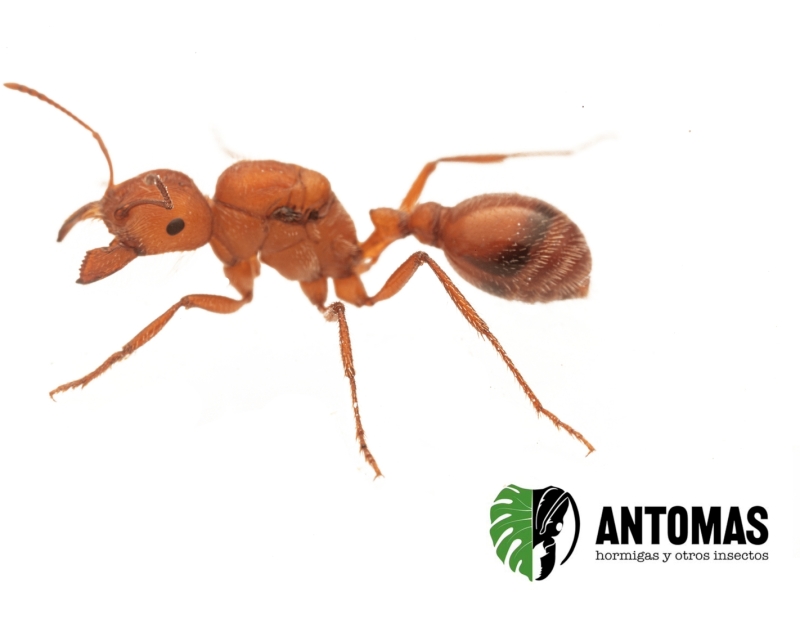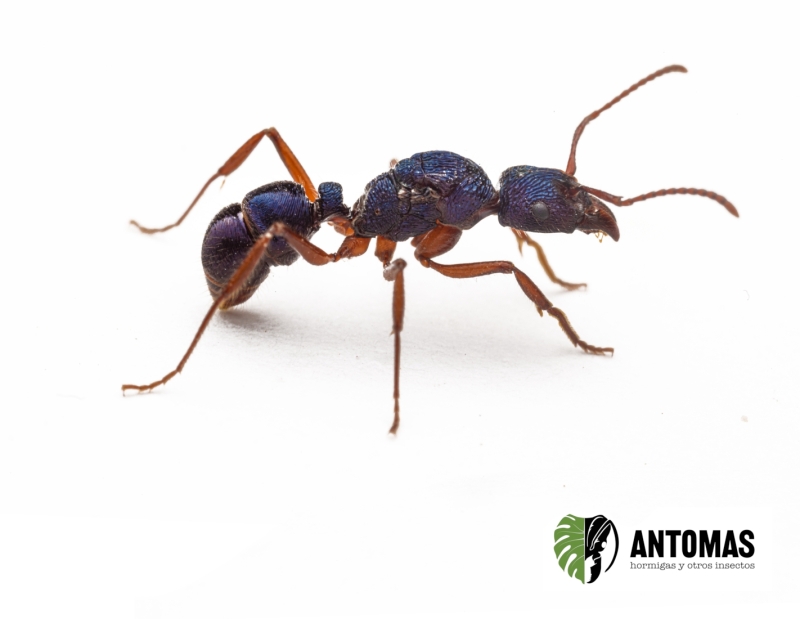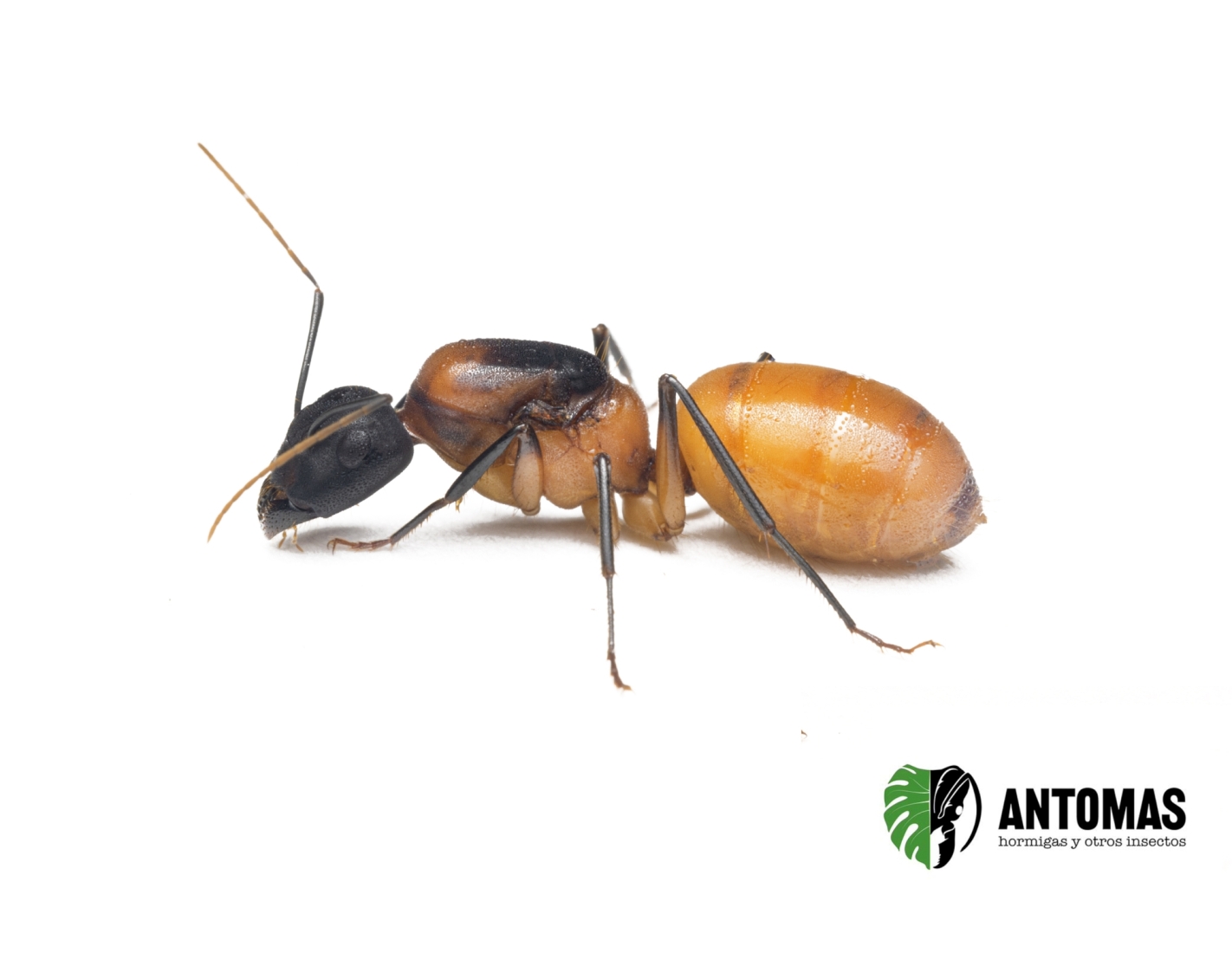
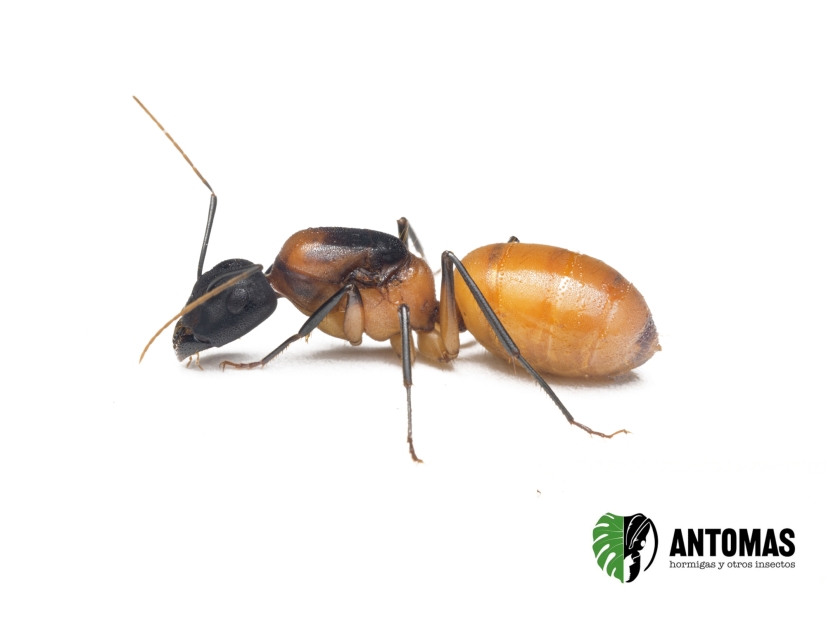
Camponotus ocreatus - Hormiga Ocre

Camponotus ocreatus - Hormiga Ocre

Out-of-Stock
€79.99
VAT included


Camponotus ocreatus

Biology

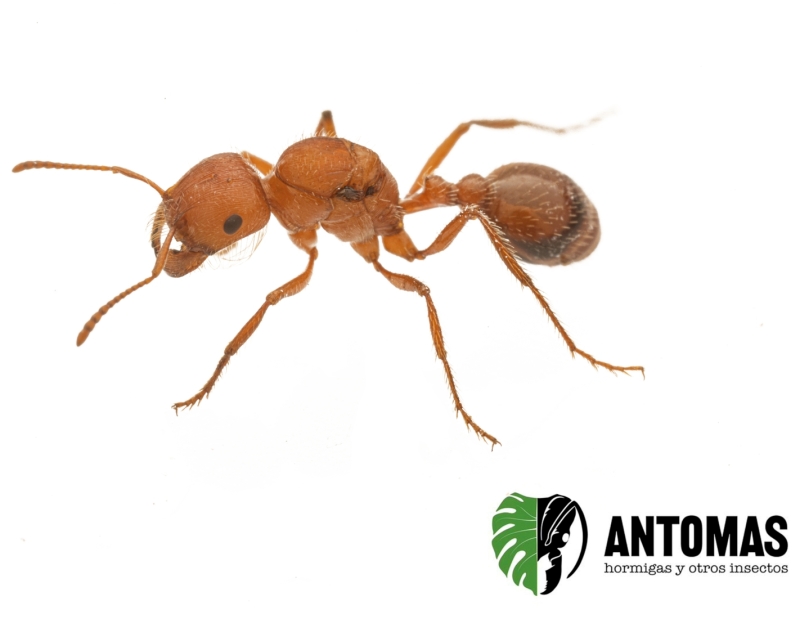
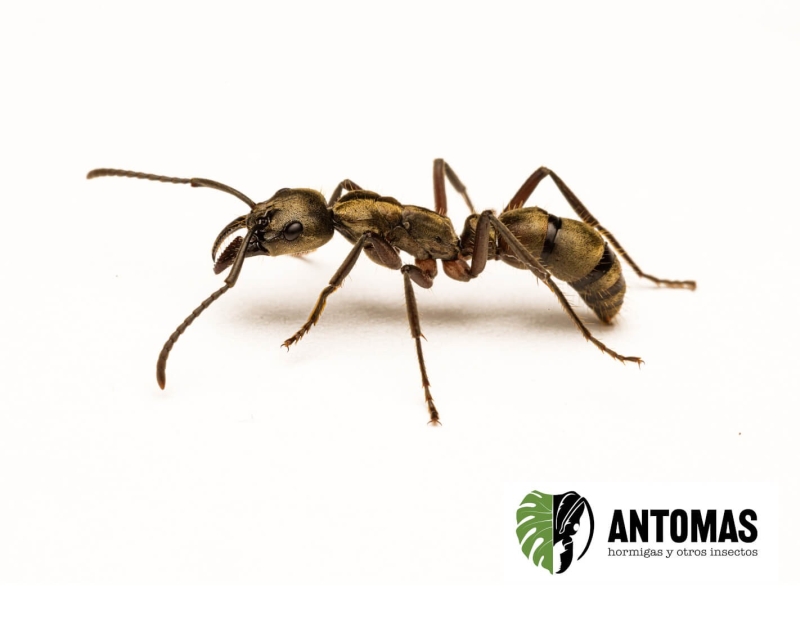
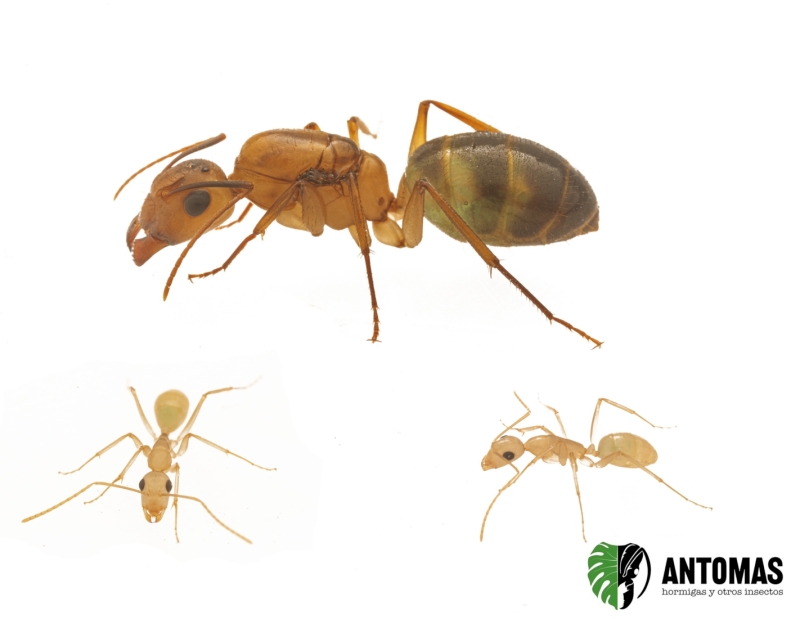
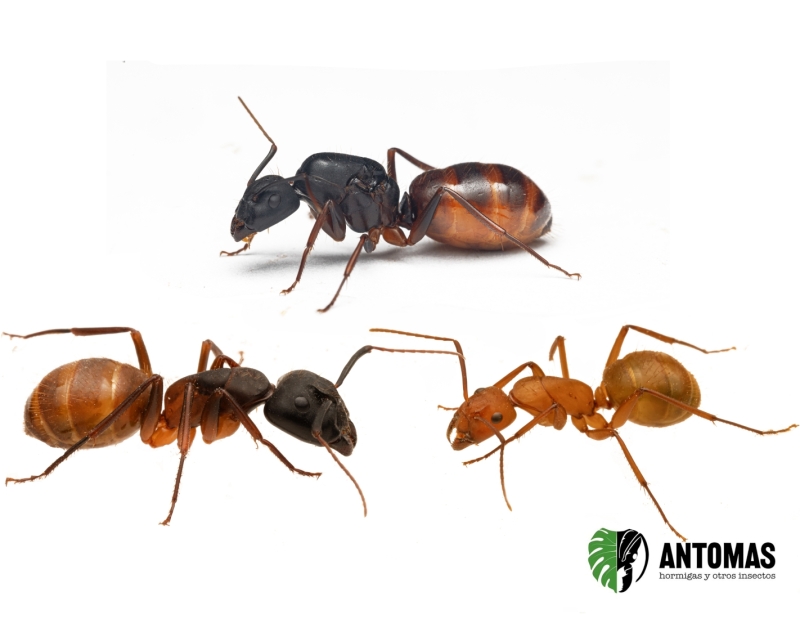
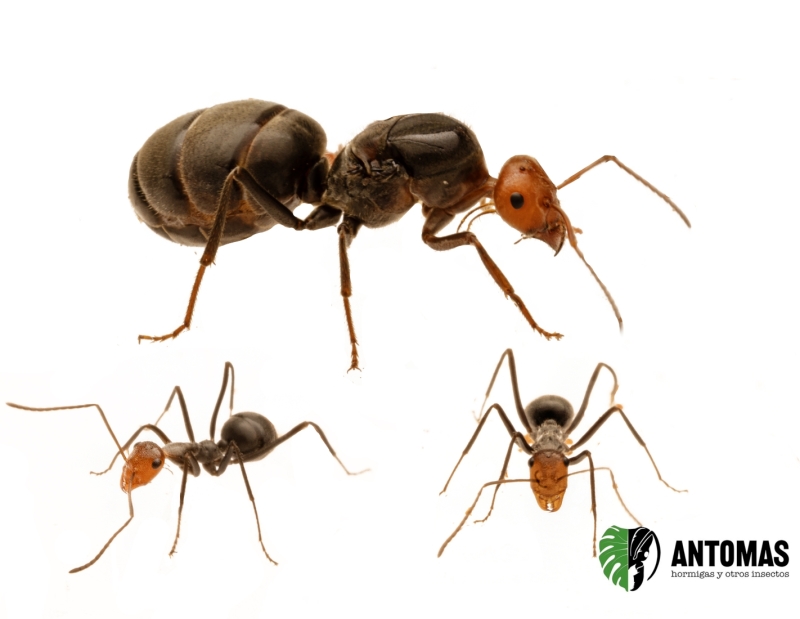
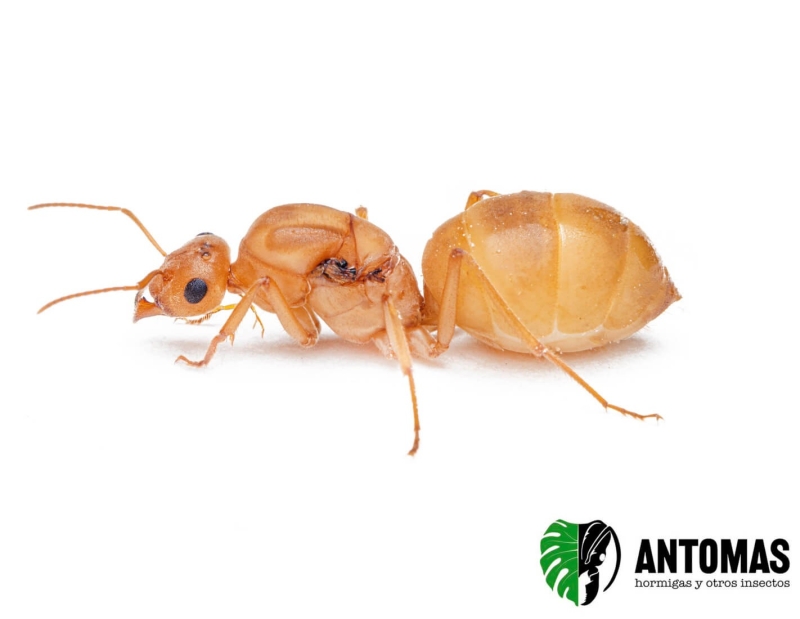
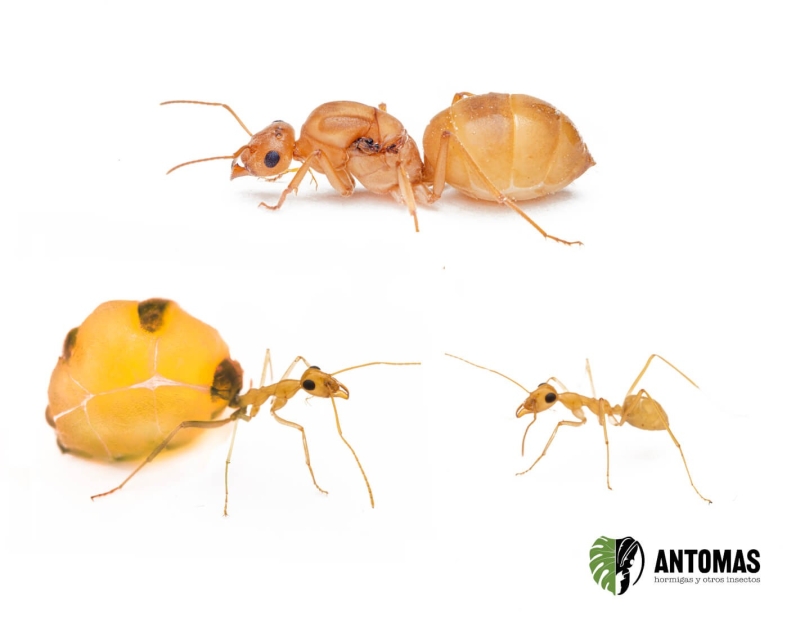
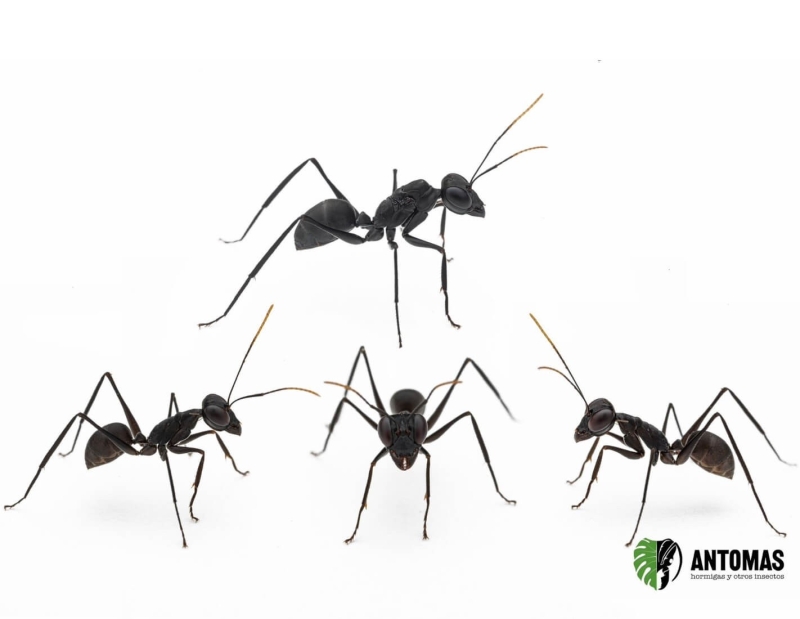
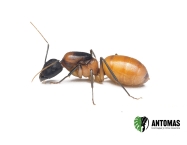
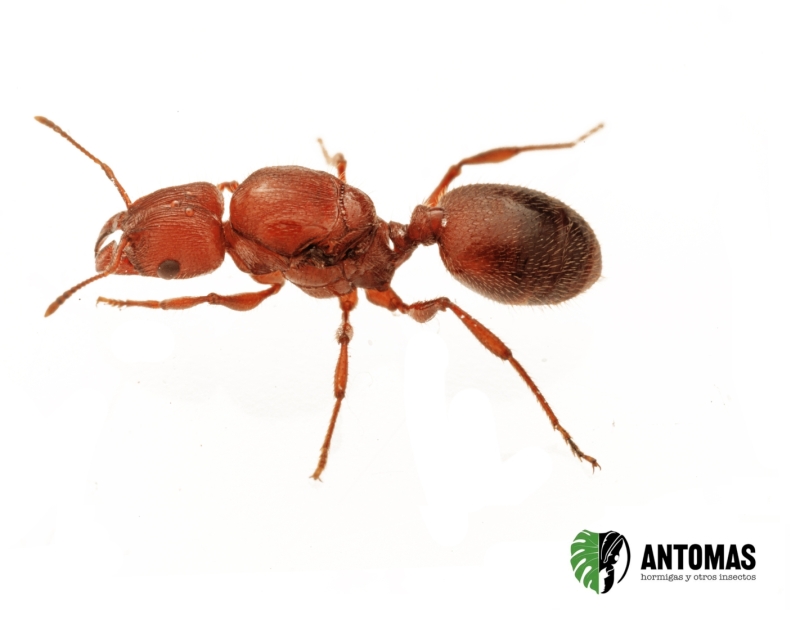
Camponotus ocreatus es una especie de tamaño medio-grande dentro del género Camponotus, caracterizada por una notable variabilidad cromática entre colonias e individuos. Presenta morfos de color extremos: algunos ejemplares son muy claros, casi blanquecinos, mientras que otros muestran tonalidades oscuras con matices ligeramente más claros, ofreciendo un aspecto distintivo y llamativo.

This species forms moderate-sized colonies, capable of exceeding several thousand workers under suitable conditions. Although initial growth may be somewhat slower than in other Camponotus, established colonies develop complex and stable structures, showing efficiency in social organization and resource exploitation.

Its feeding behavior combines the collection of dead insects or carrion with the active hunting of small live prey. Workers display a moderate level of aggressiveness toward competitors or while defending food resources, allowing more efficient exploitation of the resources available in their environment.

The species is monogynous, with a single functional queen per colony, ensuring a stable social structure and sustained long-term colony growth. As a defensive mechanism, it possesses the ability to spray formic acid, sufficient to repel predators or intruders, although its intensity is not extreme compared to other highly defensive species.

Camponotus ocreatus habita principalmente zonas con vegetación moderada y acceso a refugios bajo piedras, troncos caídos o madera en descomposición, donde la humedad y la temperatura se mantienen relativamente estables. Su tolerancia a variaciones ambientales le permite colonizar áreas amplias dentro de su rango natural, estableciendo poblaciones dominantes en microhábitats adecuados.

It undergoes a marked diapause, tolerating relatively cool temperatures for several months of the year.

Size and Morphology

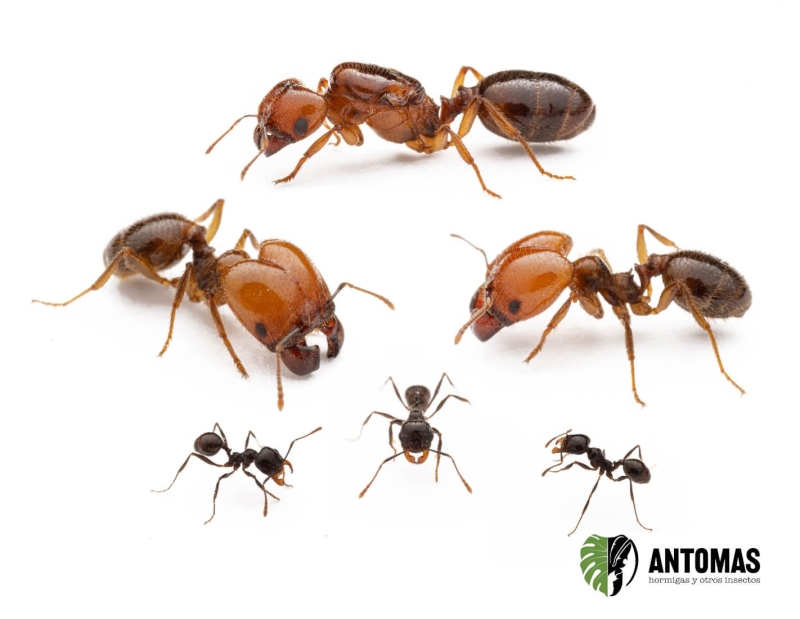
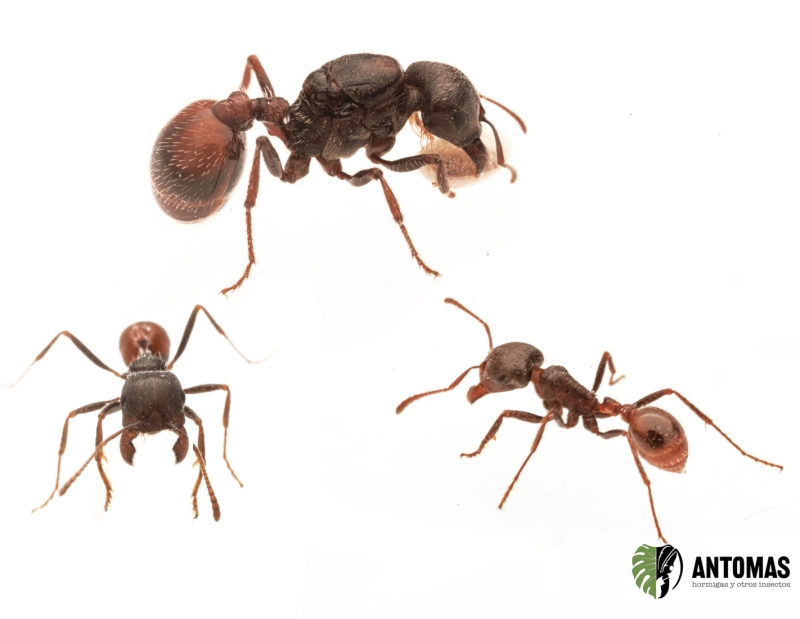
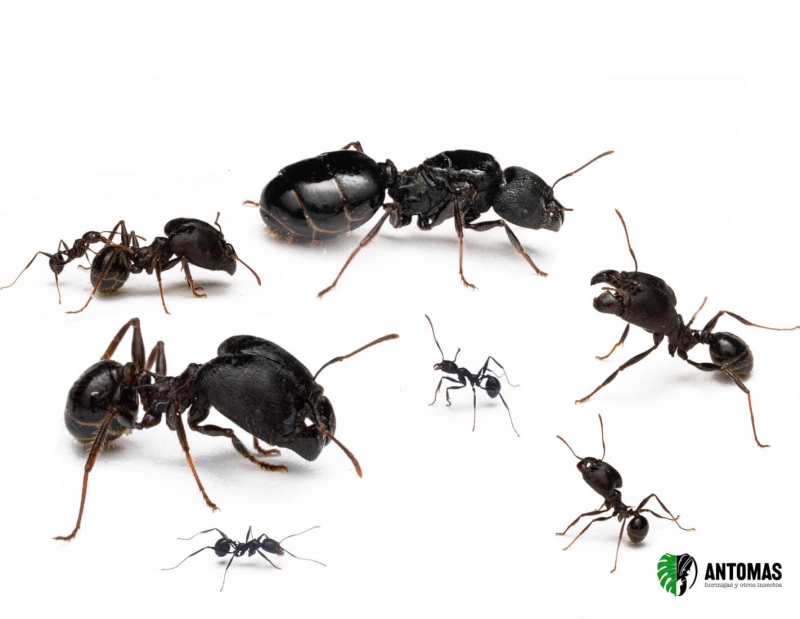
This species exhibits pronounced polymorphism, with individuals varying in size and function within the colony. Soldiers (majors) are easily recognized by their broader and more robust heads, fulfilling defensive and food-processing functions.

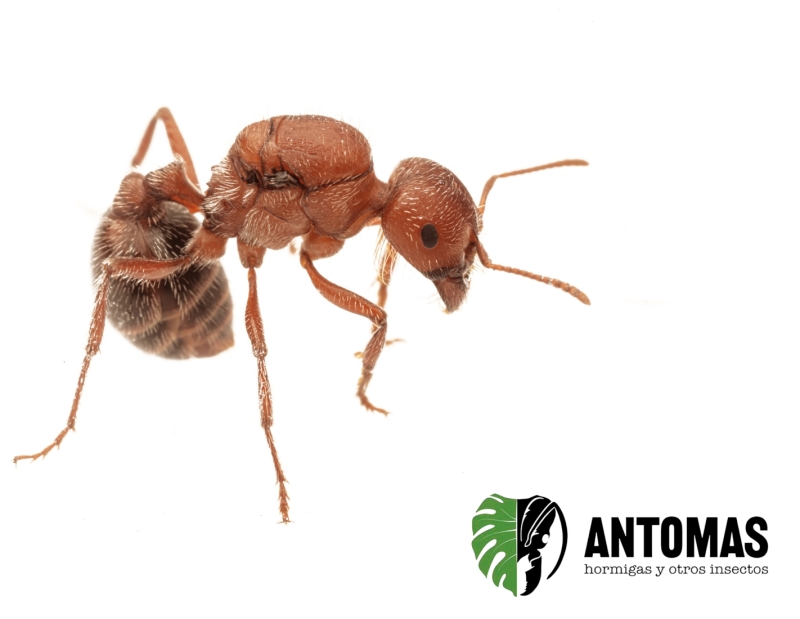
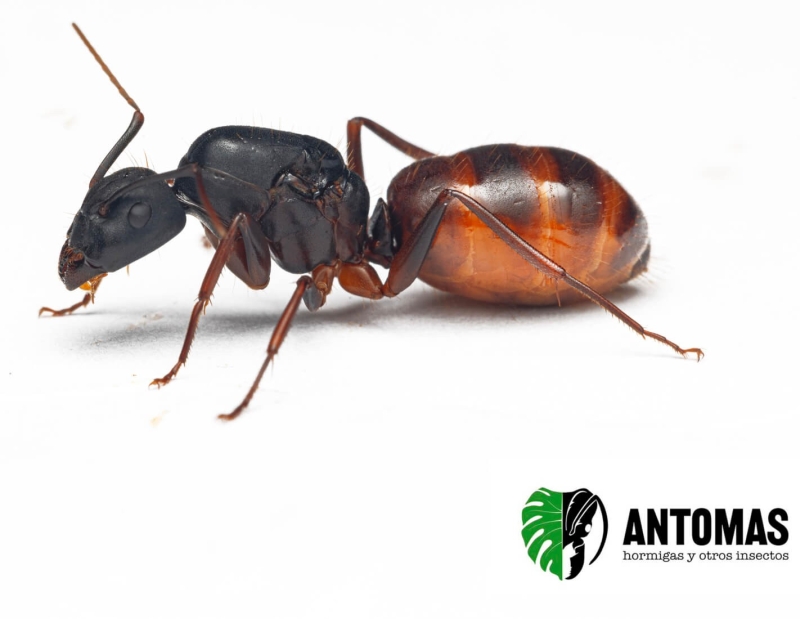
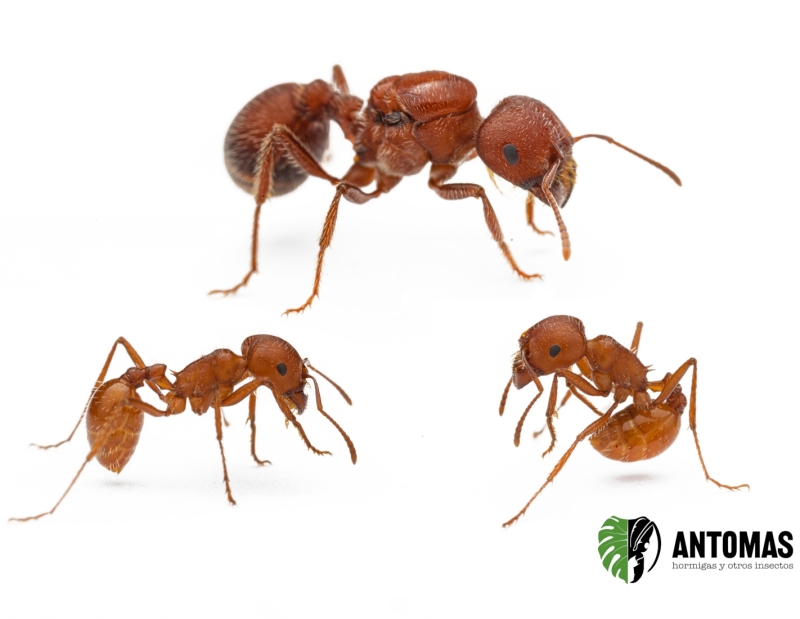
Body coloration is extremely variable: the lighter morphs may appear almost whitish, while the darker forms display reddish-brown tones with lighter areas on the mesosoma or gaster. The gaster may become hypertrophied due to liquid accumulation, favored by the development of the social stomach, allowing the storage of sugary resources for redistribution through trophallaxis.

Medidas aproximadas:

  • Workers: 0.5–0.8 cm
  • Soldiers (majors): 0.9–1.3 cm
  • Queen: ~1.3 cm

The body is robust and slightly elongated, with a firm exoskeleton and fine pilosity in certain regions, especially on the gaster and mesosoma, contributing to its distinctive and visually attractive appearance.

Captive Care

Camponotus ocreatus adapts well to captivity and can develop considerably sized colonies if optimal conditions are provided:

  • Stable temperatures outside diapause between 24 and 30 °C, avoiding extreme fluctuations; during diapause between 15–18 °C.
  • Moderate humidity inside the nest, sufficient for comfort but without generating excessive condensation.
  • A varied diet including nectar, sugary solutions, and varied prey, consisting of both dead insects and small live arthropods.
No reviews

10 other products in the same category: