Difficulty: 1/5 – Beginner
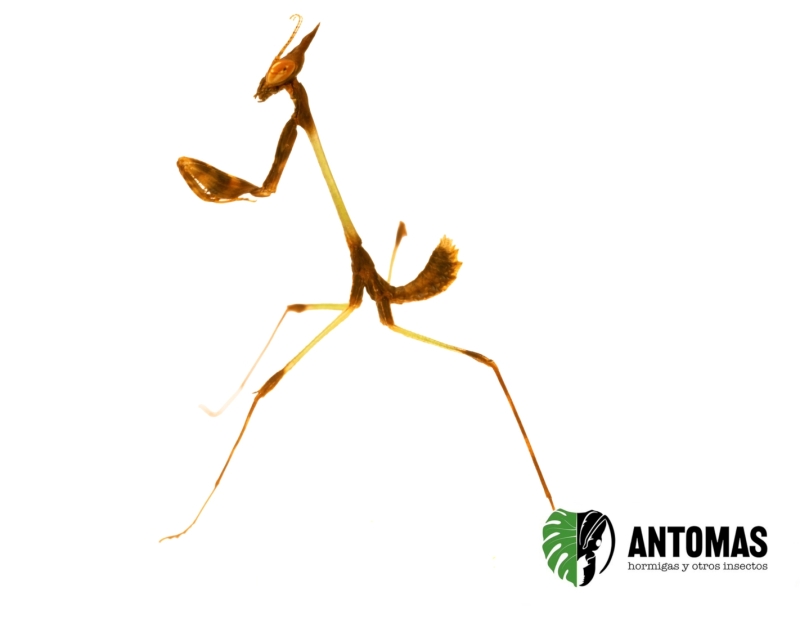
A small African mantis that mimics a dead leaf. Sold as an L3/4 nymph pair: a tall, ventilated container for each one, about 24–26 °C, a rather dry environment with misting 2–3 times a week and small prey every 2–3 days. Calm and undemanding.
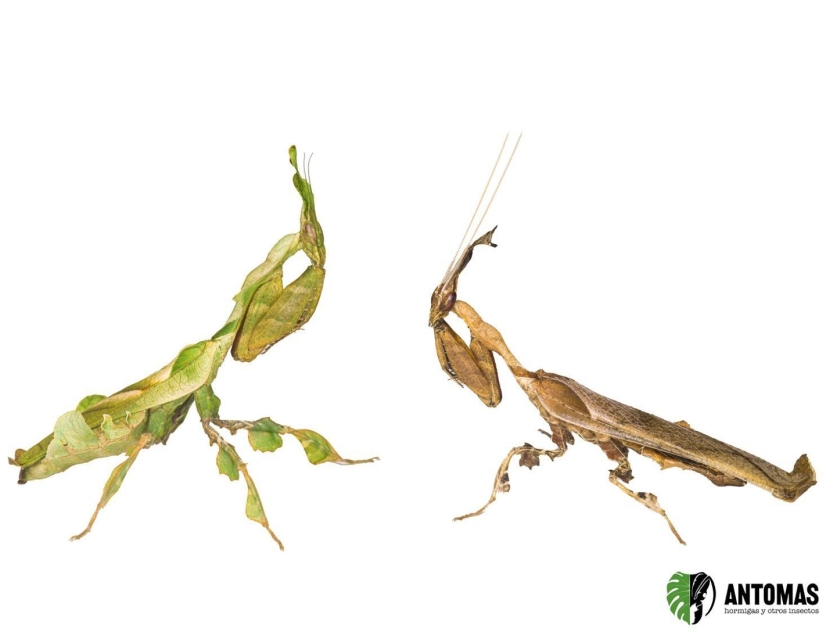
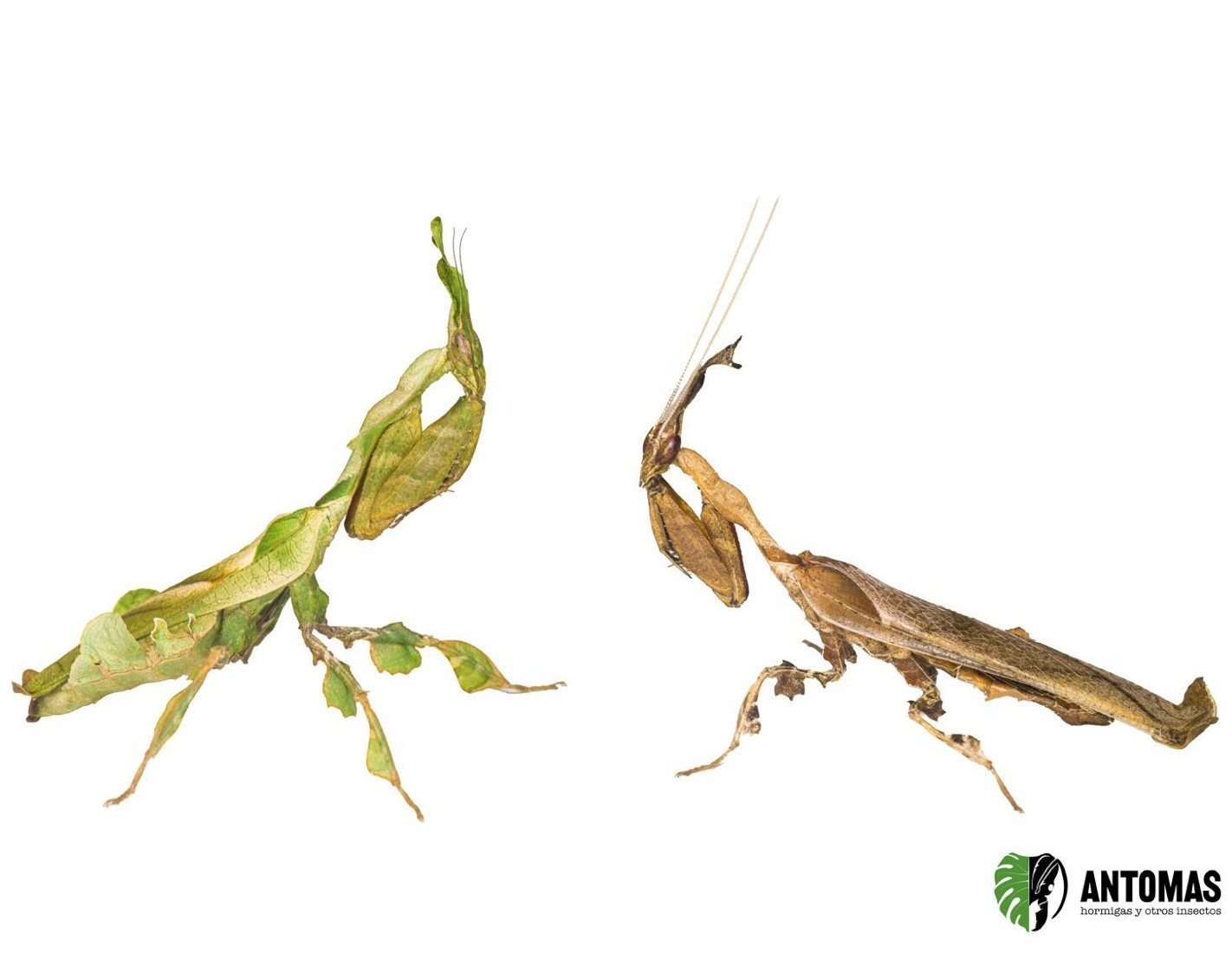
Phyllocrania paradoxa Burmeister, 1838 is a mantis in the family Hymenopodidae that lives in sub-Saharan Africa and Madagascar (Schwarz et al. 2023). It inhabits savannah scrub, forest edges, fields and gardens, where it spends the day hanging among dead leaves (Tomasinelli 2002). It mimics a dead leaf: a leaf-like extension on the head and flattened lobes on the pronotum, legs and abdomen. The shape of these lobes varies greatly from one population to another (Schwarz et al. 2023).
Identification and size
- Adult size: the female reaches about 5–6 cm; the male is of similar length, but slimmer (Tomasinelli 2002).
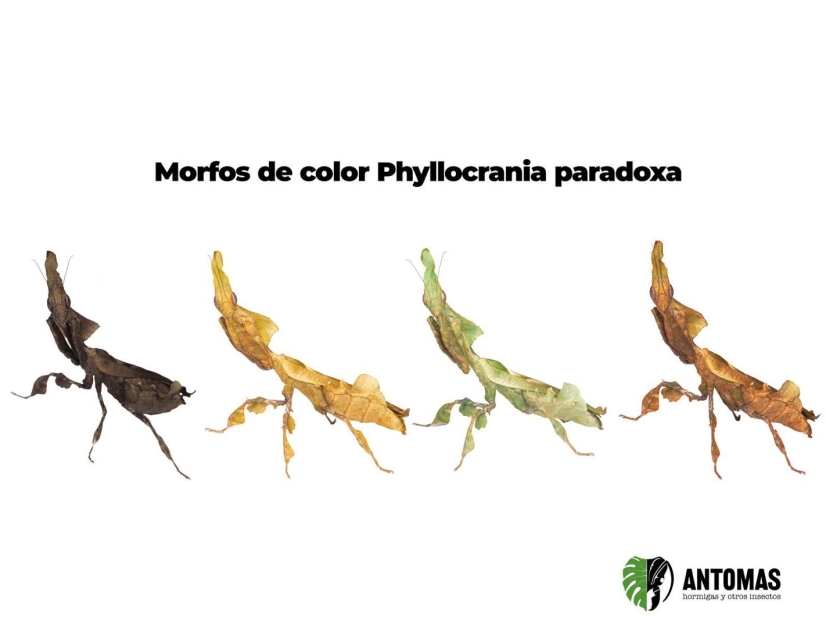
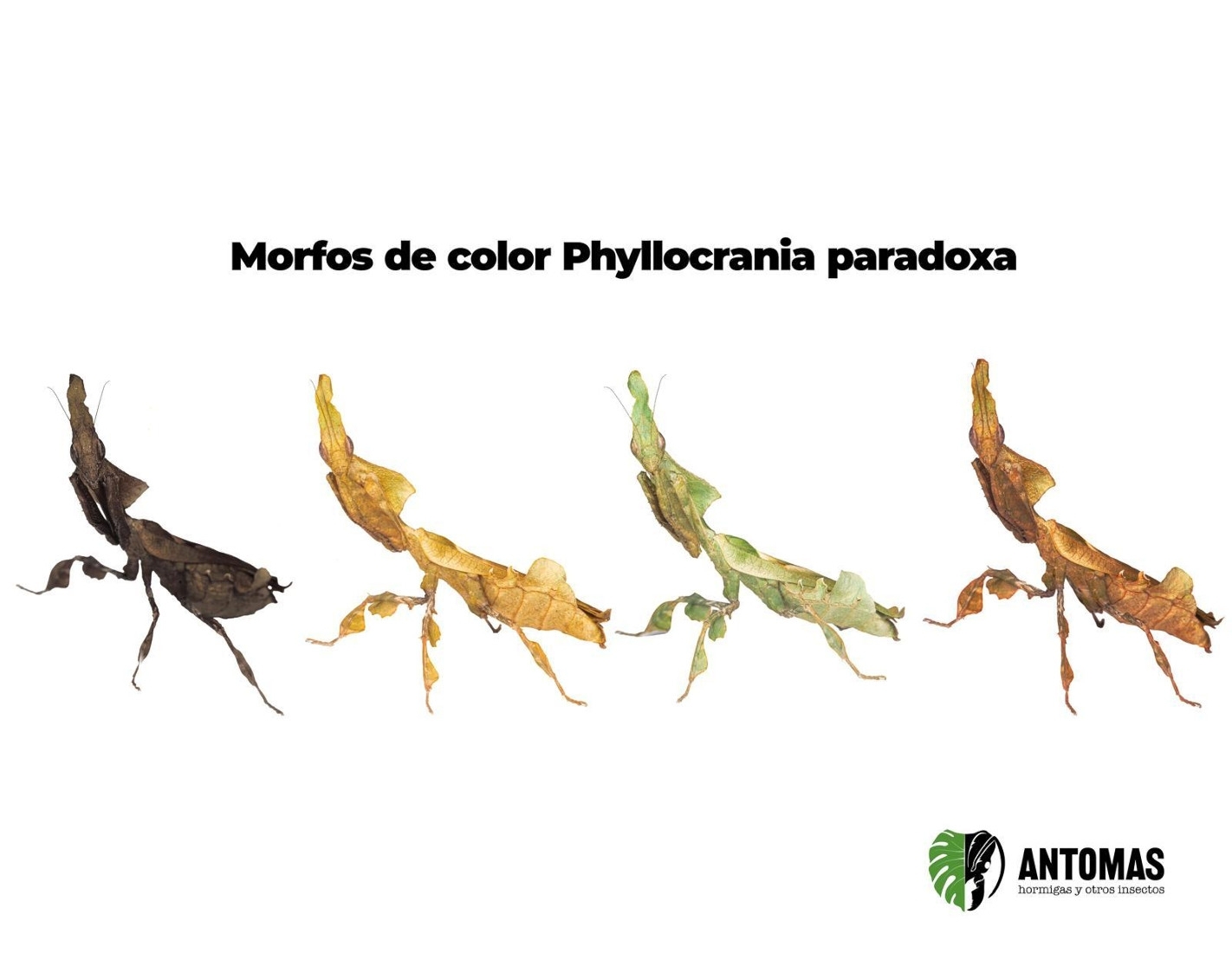
- Colour: dark brown in most, with greenish-beige or almost black specimens. Colour does not indicate sex.
- Small nymphs: the L1 is black and mimics an ant; after one or two moults it turns brown and takes on the leaf shape (Tomasinelli 2002).
- Adult male: narrower pronotum, partly transparent wings and longer, thicker antennae; it flies well. The female is broader and more cryptic (Tomasinelli 2002).
It is a sit-and-wait hunter, hanging upside down for hours. In the 7th instar, nymphs mainly adjust how far they move the body forward depending on the position of the prey, whereas the final sweep of the raptorial forelegs is far more constant (Oufiero et al. 2016). When threatened, large nymphs and females drop with their legs pressed against the body and play dead for a few minutes (thanatosis); adult males flee (Tomasinelli 2002).
Care in captivity
Enclosure
- One per specimen. At Antomas we recommend rearing each nymph separately until adulthood: it is a calm mantis, but cannibalism does occur, especially after a moult.
- Height: at least 3 times the mantis’s length, so it can moult hanging without touching the floor (Tomasinelli 2002). For an L3/4, a container about 12–15 cm tall is enough; in the laboratory they were reared to adulthood in 12.7 × 12.7 × 17.8 cm containers (Garikipati et al. 2025). An adult female is fine in about 20 × 20 × 20 cm.
- Grip: fine mesh on the ceiling and thin, branched twigs, ideally with a few dead leaves. Moults take place hanging upside down.
- Ventilation: high, with a lid and, if possible, a mesh side. Kitchen paper on the floor, easy to clean.
Temperature, humidity and water
- Temperature: about 24–26 °C; a little more or a little less does it no harm (Tomasinelli 2002). Never in direct sunlight or above 30 °C. It is a tropical species and does not need diapause.
- Humidity: a rather dry environment, around 50%; in the laboratory it was kept at 48% (Garikipati et al. 2025).
- Water: mist the walls with fine droplets 2–3 times a week, without soaking the nymph; it drinks from the droplets. Let the enclosure dry out between mistings.
Feeding
It is not a very voracious mantis and prefers small prey that walks or flutters nearby (Tomasinelli 2002):
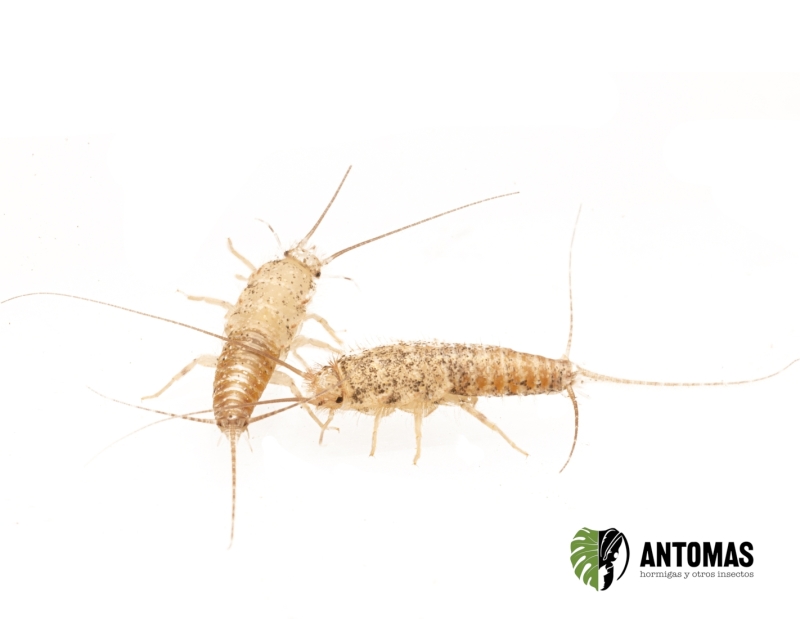
- L3–L4: Drosophila hydei and small flies, or young firebrats (Thermobia domestica).
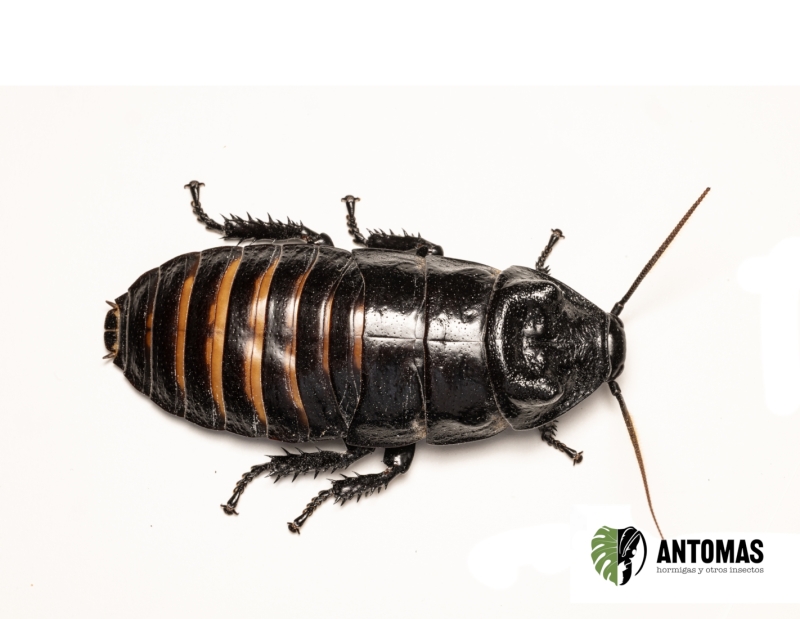
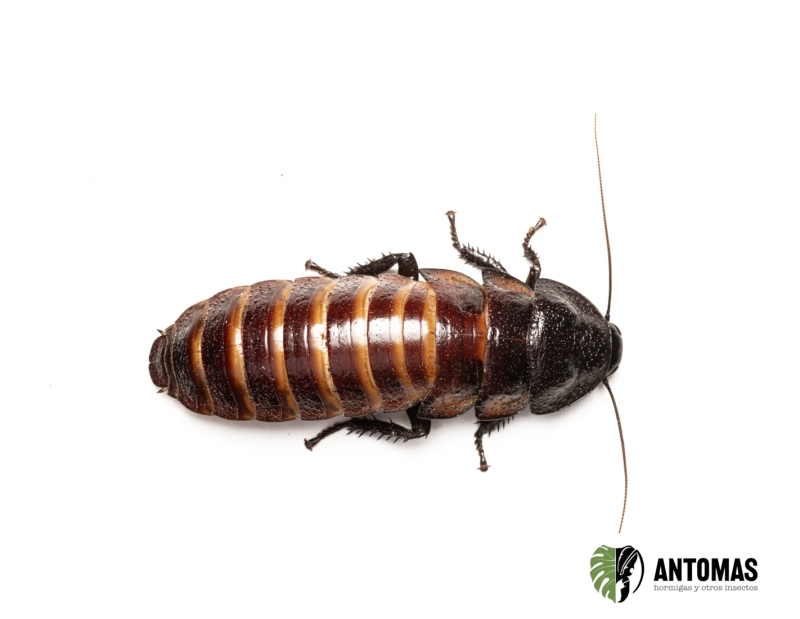
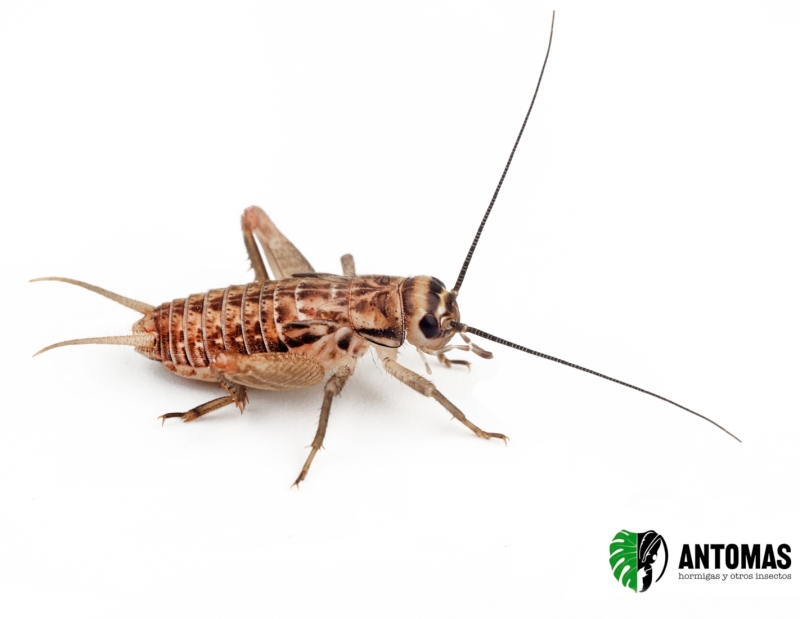
- Middle instars and adults: flies, small moths, small or medium crickets and nymphs of the red runner roach (Shelfordella lateralis), which were used in the laboratory for the larger juveniles (Garikipati et al. 2025).
- Frequency: every 2–3 days, until it stops hunting; in the laboratory, to satiation every 3 days (Garikipati et al. 2025). Remove any prey not eaten within a day.
- Size: never prey larger than its body.
Moulting and growth
- It grows slowly: about 4–5 months from hatching to adulthood (Tomasinelli 2002). From L3/4 it still has several moults ahead.
- Premoult: it stops eating, stays still and hangs. From that moment, do not touch it, do not mist over it and remove any live prey.
- After the moult, wait about 24 hours before feeding it.
- The final (imaginal) moult gives it fully developed wings. Females live for around a year; males, somewhat less (Tomasinelli 2002).
Breeding
Sexing
Count the segments on the underside of the abdomen: the female shows about 6, because the seventh sternite forms a large subgenital plate; the male, about 8 (terminology in Brannoch et al. 2017). In the nymphs of the pair this can be seen with a magnifying glass. The adult male can also be recognised by its long, thick antennae and narrower body.
Mating and ootheca
- Pair them about 15 days after the imaginal moult, with both well fed. Place the male behind the female while she is eating (Tomasinelli 2002).
- The female is usually not very aggressive and mating lasts several hours. Even so, supervise the whole encounter and separate the male when it is over.
- After 1–2 weeks, the female attaches a slender ootheca, about 3 cm long, to a twig, with 20–30 nymphs (Tomasinelli 2002).
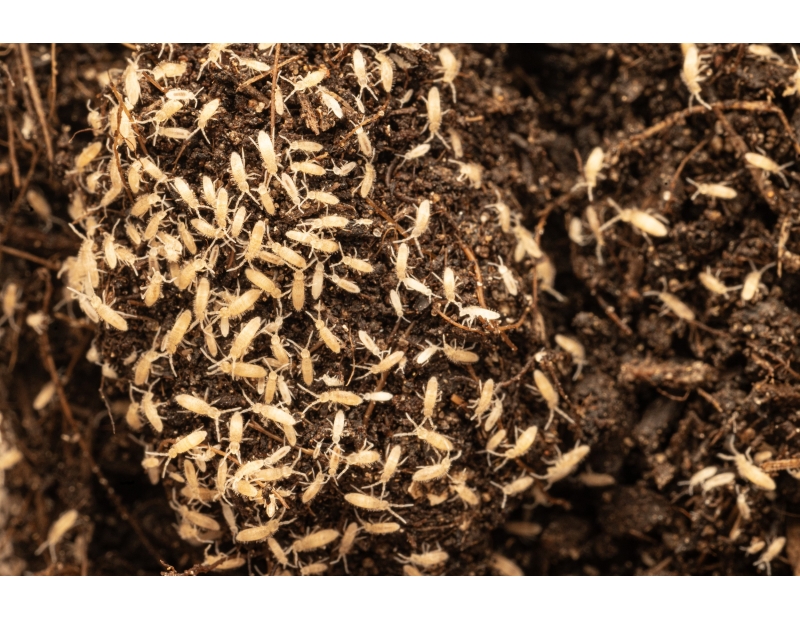
- Incubation: leave the ootheca hanging as it was laid, at 24–26 °C, with light misting on the walls. Hatching comes after about a month (Tomasinelli 2002). Separate the nymphs early and give them tiny prey, such as springtails or Drosophila melanogaster.
What NOT to do
- Touch it, mist it or leave live prey in with it during the moult, or help it out of the exuvia.
- Keep the enclosure waterlogged or unventilated: mould and failed moults.
- Use a low container or one without mesh on the ceiling.
- Put the two nymphs of the pair together before they are adults.
- Offer large or dangerous prey, such as large crickets, wasps or spiders.
- Assume it is dead if it lies motionless on the floor: it may be thanatosis.
- Handle it often: its lobes and legs are fragile. If you need to move it, let it walk onto your hand or into a container by itself.
- Release specimens or oothecae into the wild: it is an exotic species.
Scientific sources
This care sheet is based on the scientific literature on Phyllocrania paradoxa and on breeders’ practice. Main references:
- Tomasinelli, F. (2002). Biology and captive breeding of the African dead leaf mantis Phyllocrania paradoxa. Mantis Study Group Newsletter 23: 1–4. PDF
- Oufiero, C. E., Nguyen, T., Sragner, A. & Ellis, A. (2016). Patterns of variation in feeding strike kinematics of juvenile ghost praying mantis (Phyllocrania paradoxa): are components of the strike stereotypic? Journal of Experimental Biology 219: 2733–2742. doi:10.1242/jeb.139675
- Garikipati, L., Jackson, B. E. & Oufiero, C. E. (2025). Many-to-one mapping in Mantodea: camouflage strategy and phylogeny drive strike variation in prey capture with raptorial forelegs. Journal of Experimental Biology 228: jeb250626. doi:10.1242/jeb.250626
- Schwarz, C. J., Pohl, M. & Frank, E. T. (2023). A preliminary checklist of the praying mantids of Comoé National Park, Ivory Coast (Insecta: Mantodea). Zootaxa 5373: 1–64. doi:10.11646/zootaxa.5373.1.1
- Brannoch, S. K., Wieland, F., Rivera, J., Klass, K.-D., Béthoux, O. & Svenson, G. J. (2017). Manual of praying mantis morphology, nomenclature, and practices (Insecta, Mantodea). ZooKeys 696: 1–100. doi:10.3897/zookeys.696.12542