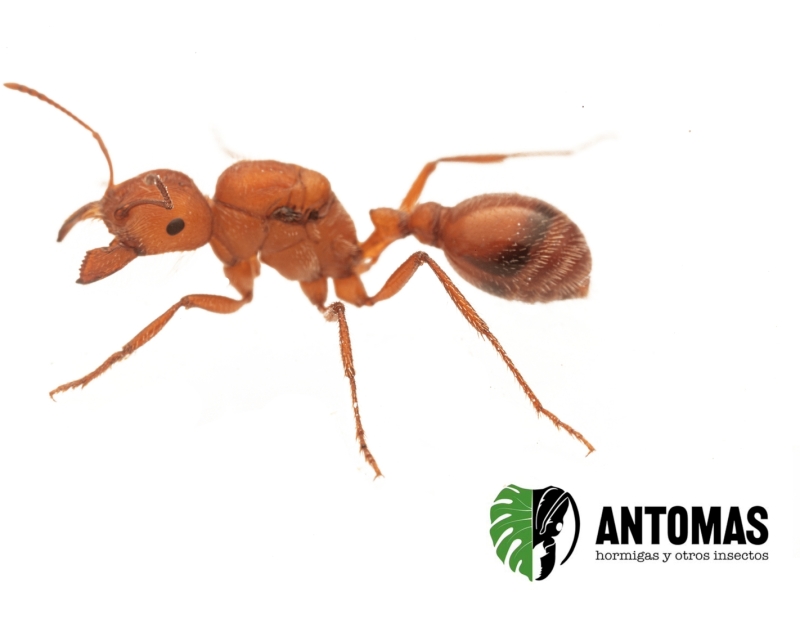
Pheidole rhea - Hormiga Titanica

Pheidole rhea - Hormiga Titanica

Out-of-Stock
€219.99
VAT included


Pheidole rhea

Biology

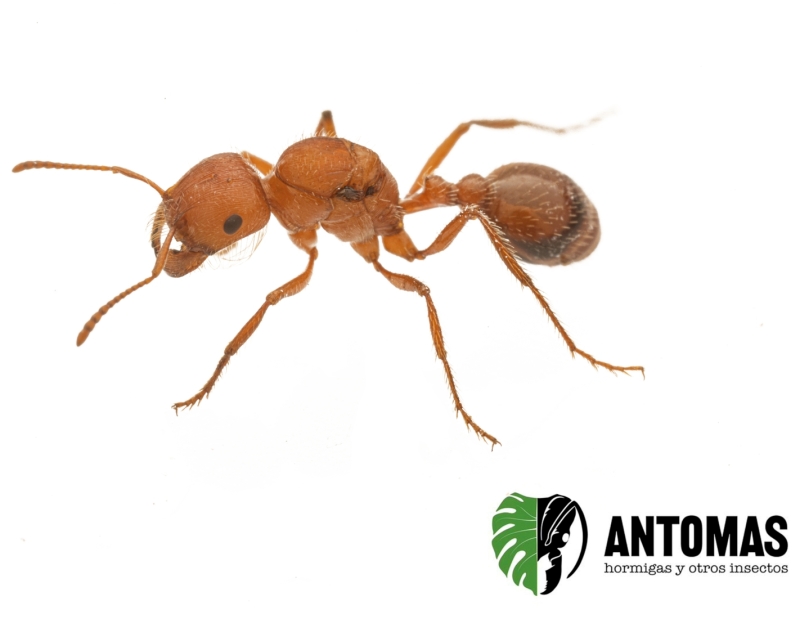
Pheidole rhea, commonly known as the titanic ant, is a particularly remarkable species due to the presence of supersoldiers within its colonies, representing a case of extreme and exceptional polymorphism even within the genus Pheidole.

It is a highly developed species in terms of coordination and social organization, capable of forming enormous supercolonies that in nature may contain approximately between 100,000 and 1,000,000 workers. Its growth is extremely rapid; in captivity, colonies have been observed reaching up to 35,000 individuals within a single year under optimal conditions.

Foraging activity is intense and highly organized, resulting in extensive and densely populated trails, especially visible during peak activity periods, similar to those observed in highly specialized granivorous species such as Messor barbarus in the Iberian Peninsula.

The production of supermajors in captivity is not easy and requires a strict and abundant feeding regime, especially regarding protein intake. When present, these supersoldiers perform multiple functions within the colony, ranging from active nest defense to the fragmentation of large seeds, a task for which they possess exceptionally developed mandibular musculature.

P. rhea colonies are characterized by their high aggressiveness toward other insects and, especially, toward other ant species, which they attack systematically. Their particular hostility toward other seed-harvesting ants such as Pogonomyrmex is especially notable.

Size and Morphology

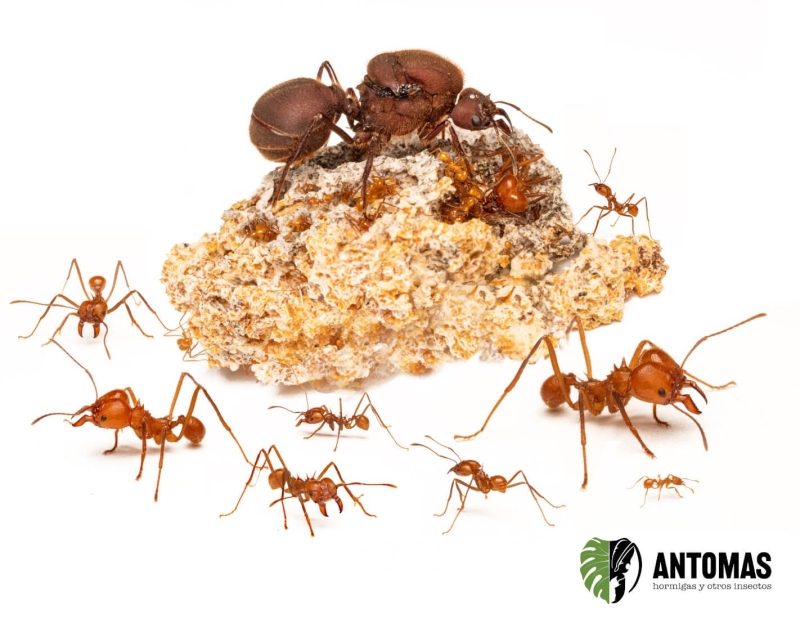
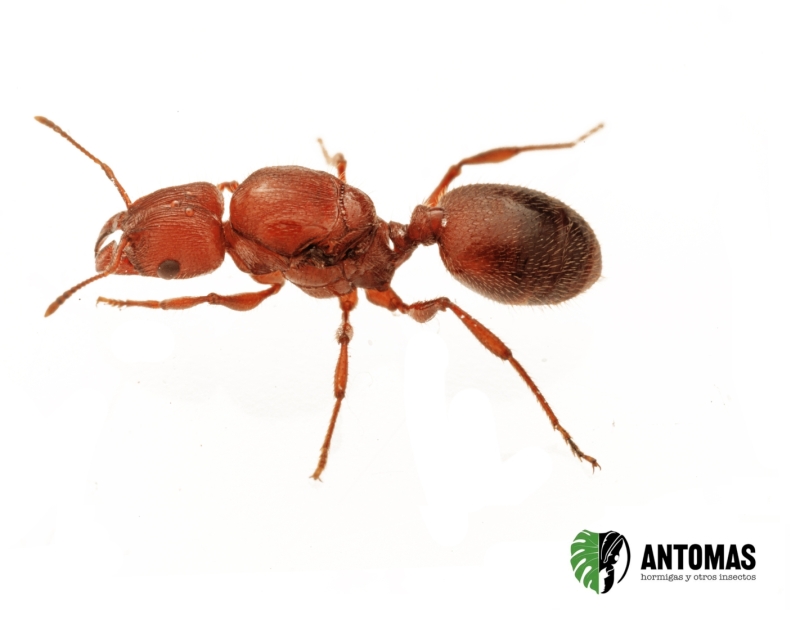
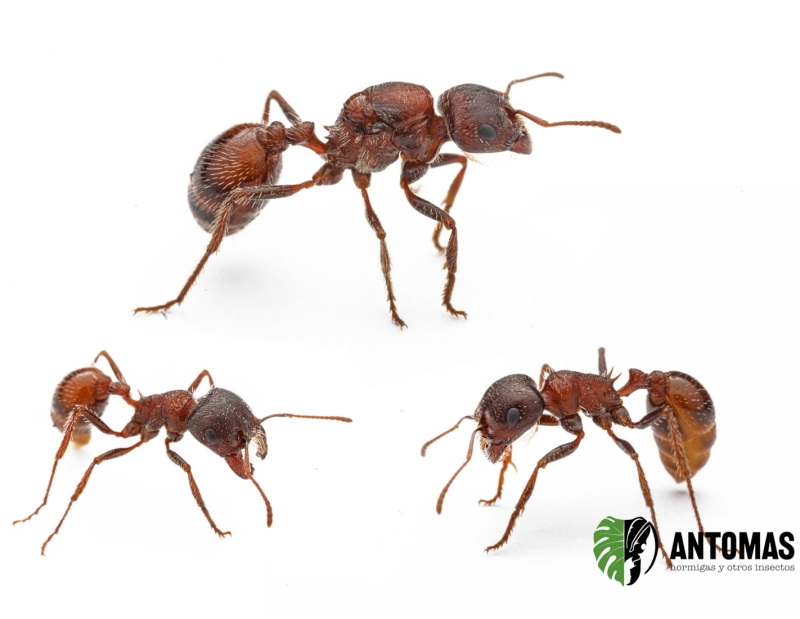
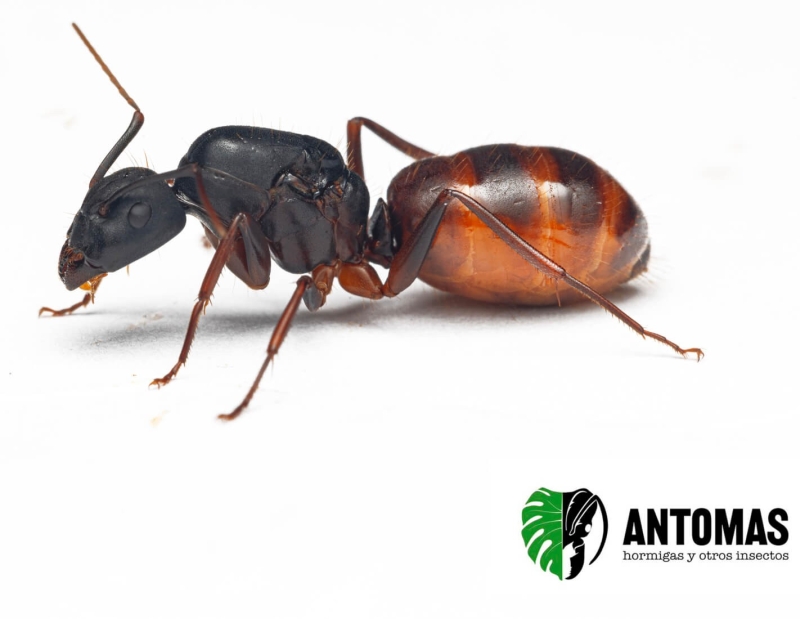
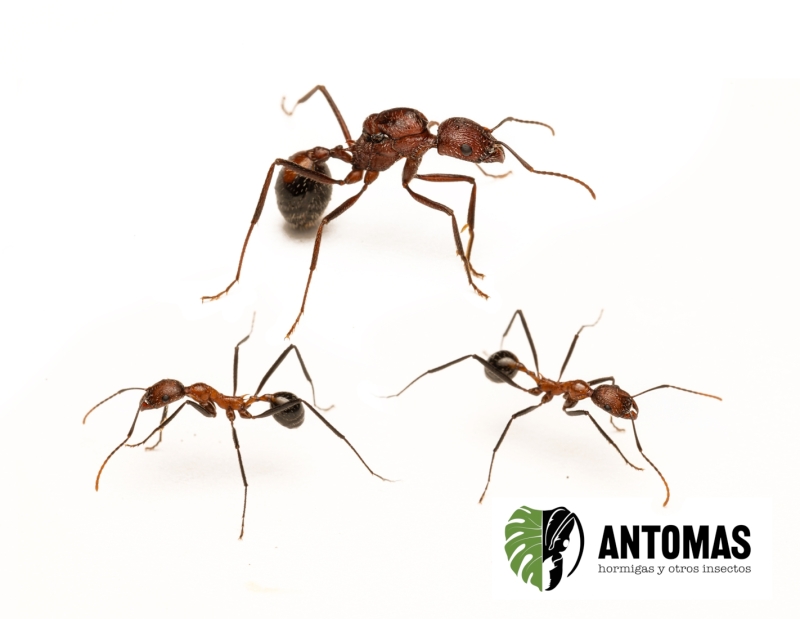
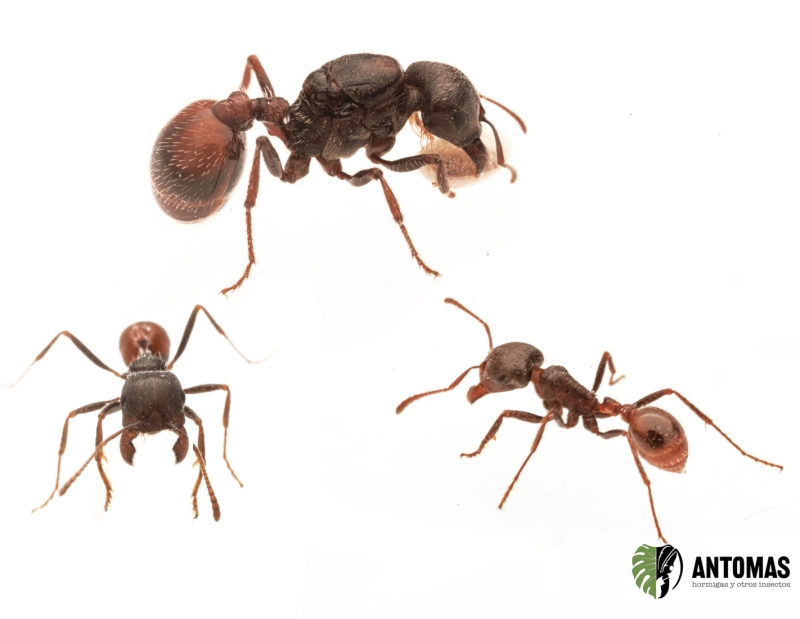
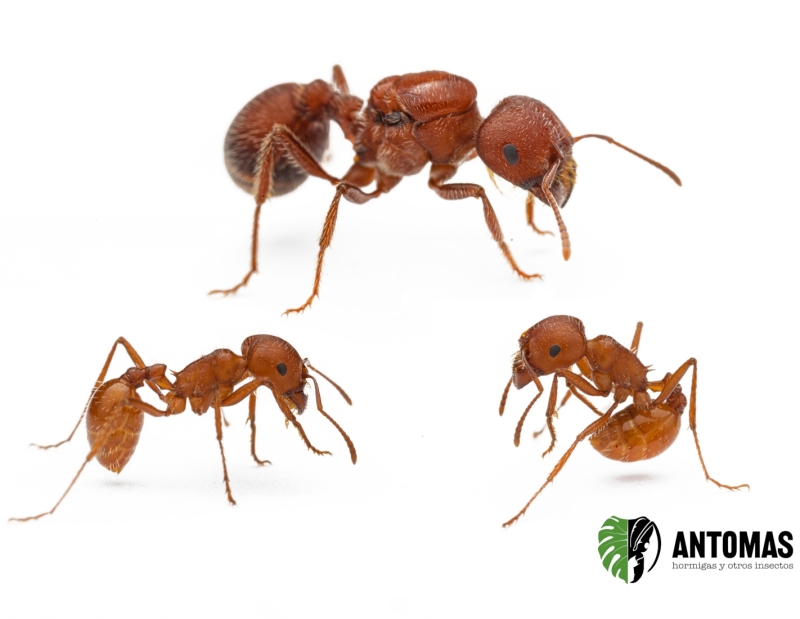
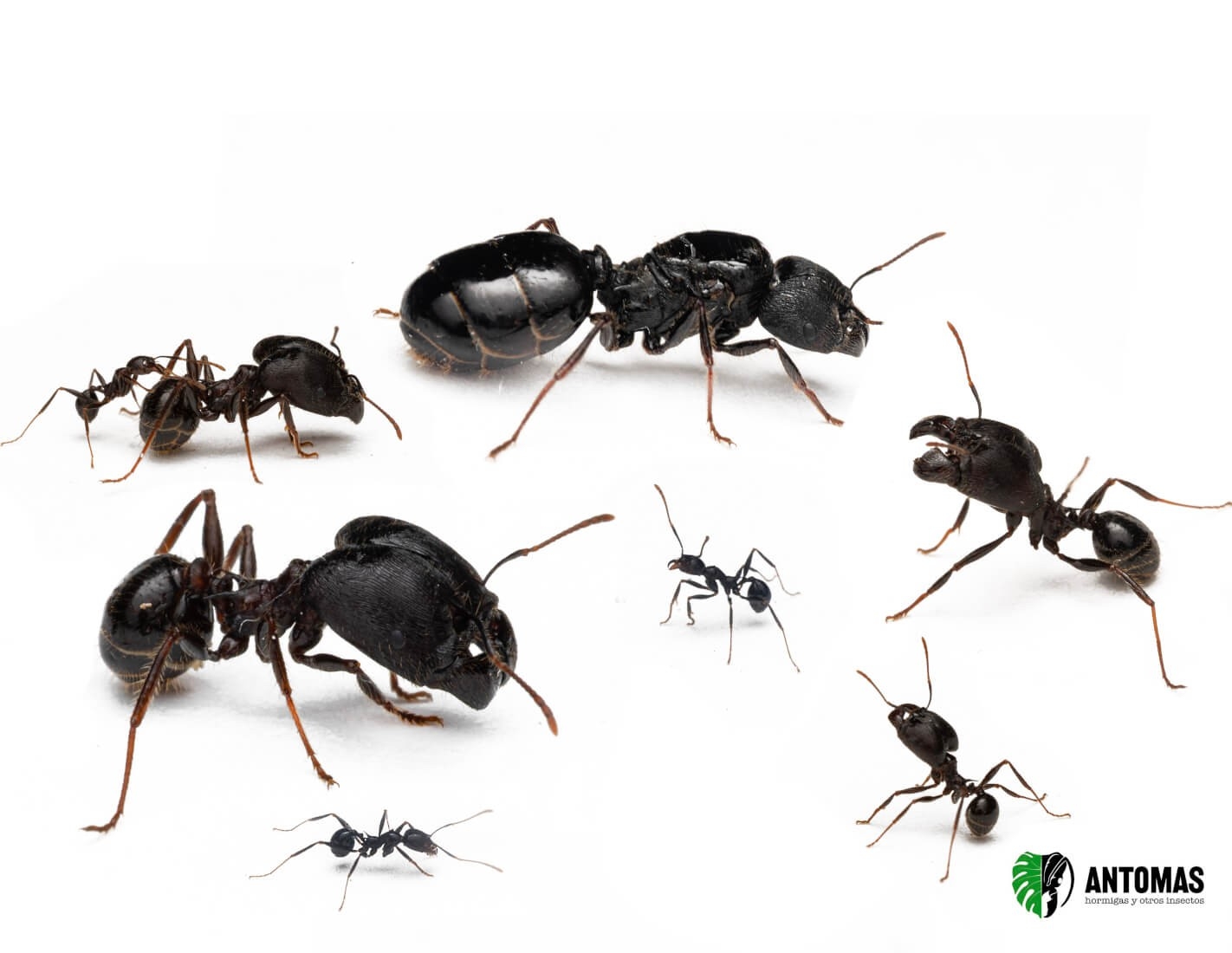
The Titanic Ant (Pheidole rhea) displays marked polymorphism, with three clearly differentiated castes: workers, soldiers, and supersoldiers. It is precisely this latter caste that gives the species its common name, in reference to the Titans, due to their size, robustness, and disproportionately powerful mandibles.

It is one of the Pheidole species largest described to date, standing out not only for its length but especially for its great body width, a highly unusual feature even among the large species of the genus.

The supersoldiers possess exceptionally broad heads, reaching up to 3.8 mm in width, resulting in unparalleled biting power.

Size by caste

  • Queens: 12–15 mm
  • Workers: 2–4 mm
  • Soldiers: 5–7 mm
  • Supersoldiers: 9–12 mm

In search of the supersoldiers;

Captive Care

The most delicate stage of Pheidole rhea is the founding phase, which is why the acquisition of already established colonies is recommended. Their exponential growth requires the use of modular nests, preferably made from natural materials, allowing progressive expansion.

As with other species of the genus Pheidole, it requires high humidity levels, especially in brood chambers, ranging between 60 and 80 %. It tolerates a wide range of temperatures and can undergo a mild hibernation during winter. However, for the colony to develop its full potential, it is recommended to maintain temperatures between 28 and 30 °C.

It is an omnivorous species with a highly varied diet. Although it accepts virtually all types of food, the regular use of sugary liquids and nectars is not recommended. Due to its granivorous behavior, it is important to provide drier areas inside the nest for seed storage.

Feeding should be carried out every 2–3 days, mainly with live or dead insects. During the early stages of the colony, it is essential to provide small and preferably freshly killed insects. As the colony grows, progressively larger and more active prey can be introduced.

No reviews

10 other products in the same category: