Camponotus sp titanicus

Camponotus sp titanicus

€189.99
VAT included
Colony


Camponotus sp. “titanicus”

Biology

Camponotus sp. “titanicus” is a form that has not yet been formally described at a taxonomic level, known mainly through field observations and collector records. The available information is scarce and fragmentary, so many of the data should be considered provisional and subject to future revision.

It is an ant of absolutely colossal size, regarded by those who have observed it as the largest known form within the genus Camponotus, surpassing even well-established giant species such as Camponotus angusticollis in body mass and volume. Its extreme size places it within a very particular ecological niche among African ants.

It inhabits humid regions at medium or high altitudes in Africa, associated with environments featuring dense vegetation and relatively cool soils. It avoids open steppe-like areas or dry savannas, showing a clear preference for habitats that are more thermally and hydrologically stable, such as montane forests, transitional forest zones, or regions with high soil humidity.

From a trophic perspective, it displays strongly predatory behavior. Unlike many species of the genus Camponotus, which base much of their diet on sugary liquids and carrion, this form appears to act as an active hunter of large arthropods. It has been observed capturing various terrestrial insects and, particularly strikingly, termites, distinguishing it from most Camponotus, which rarely specialize in this resource.

Its position within the ecosystem appears to correspond to that of a dominant predator within its microhabitat. The soldiers (majors) achieve exceptional bite strength, allowing them to overpower relatively large prey and effectively defend the nest against competing arthropods. No direct rivals are known within its functional niche, suggesting a strategy based on extreme body size and mechanical aggressiveness.

Size and Morphology

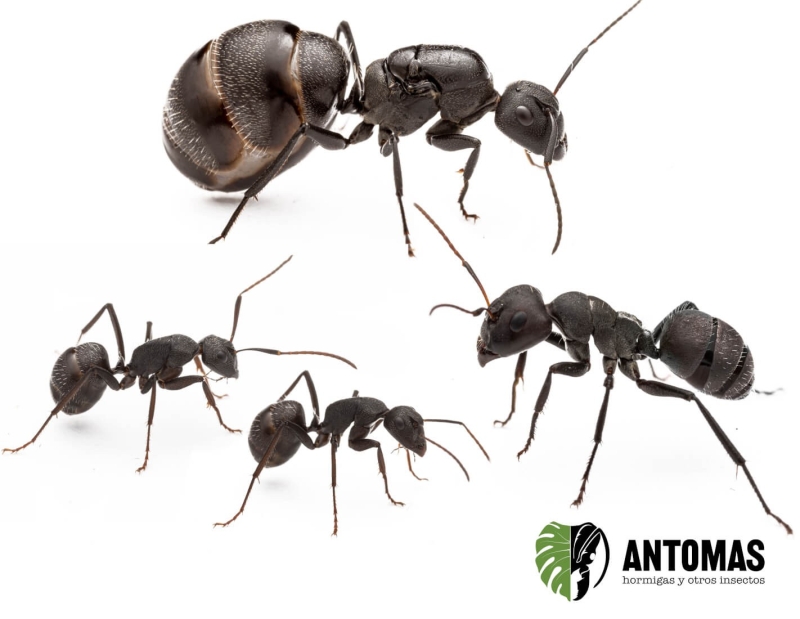
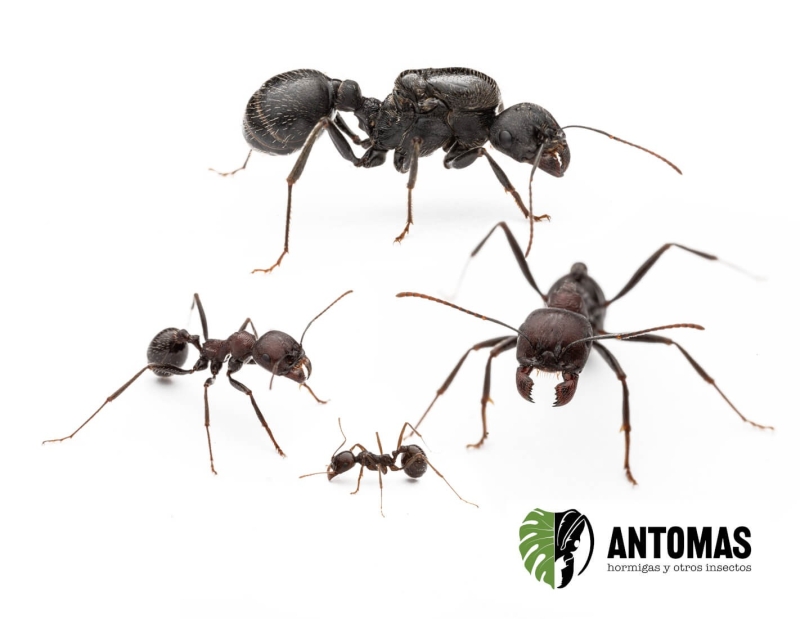
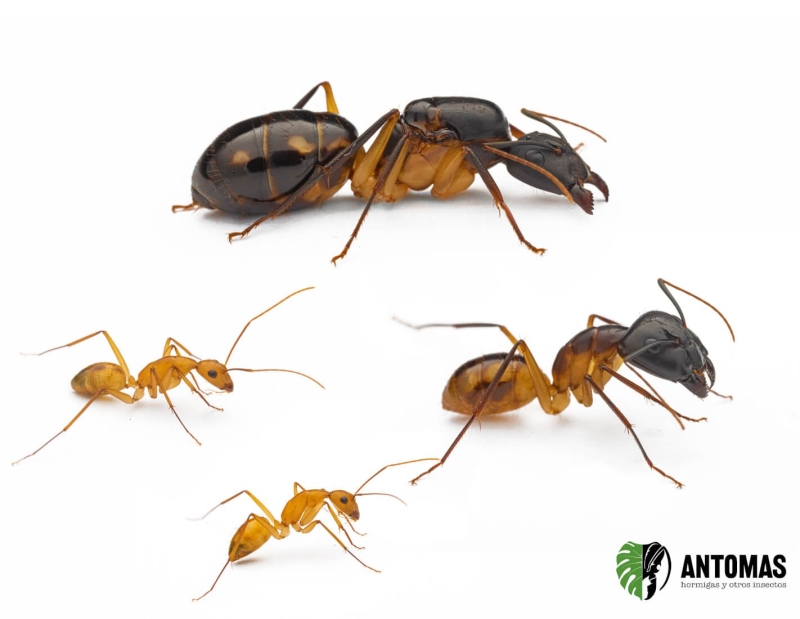
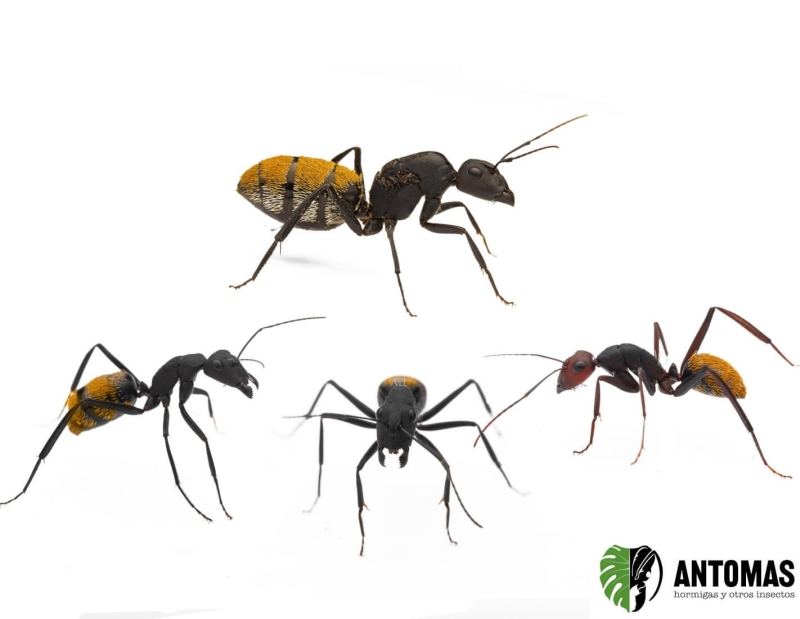
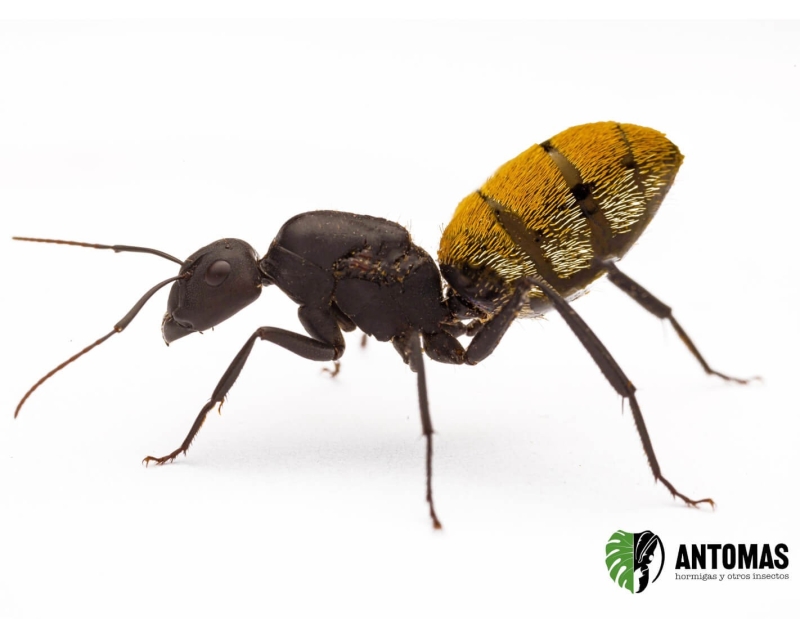
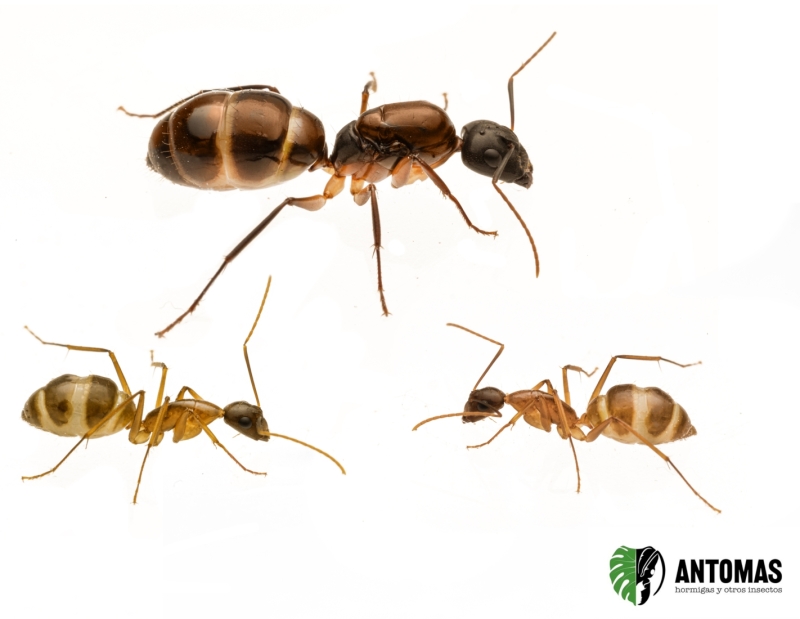
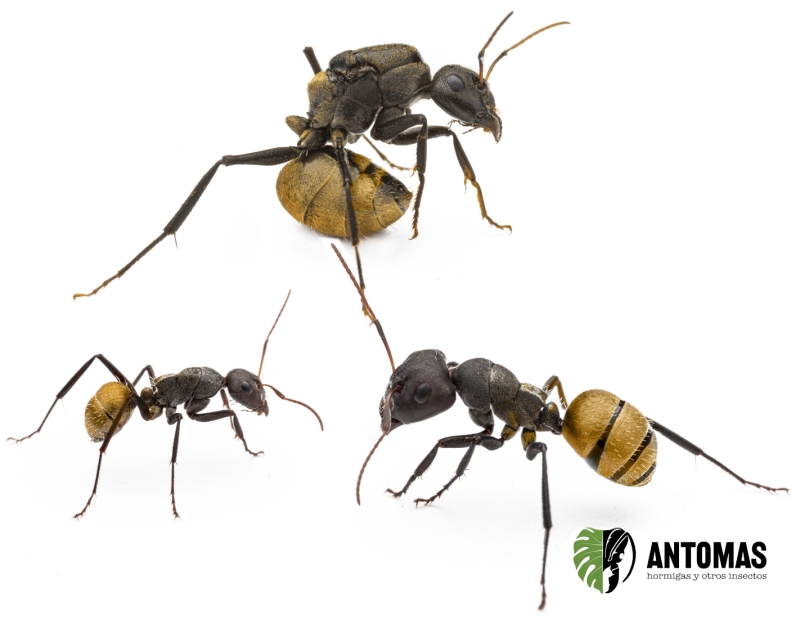
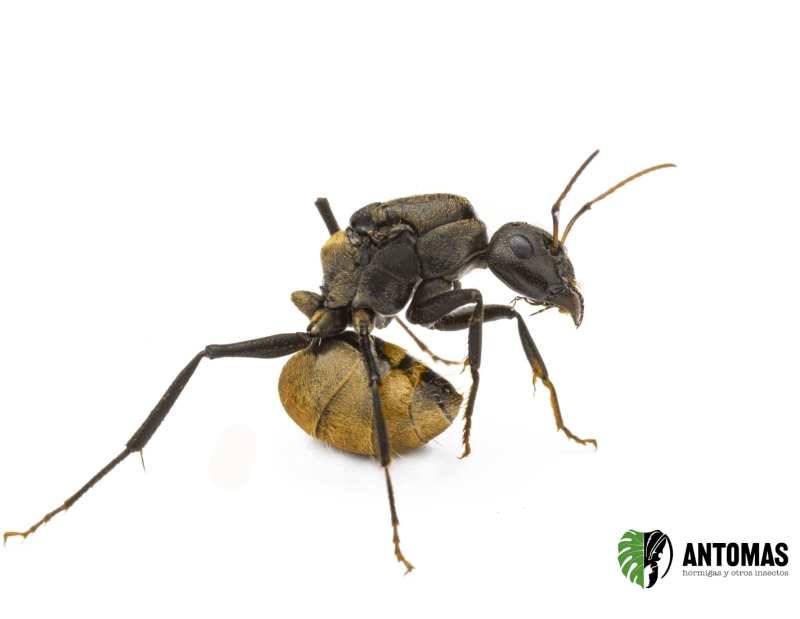
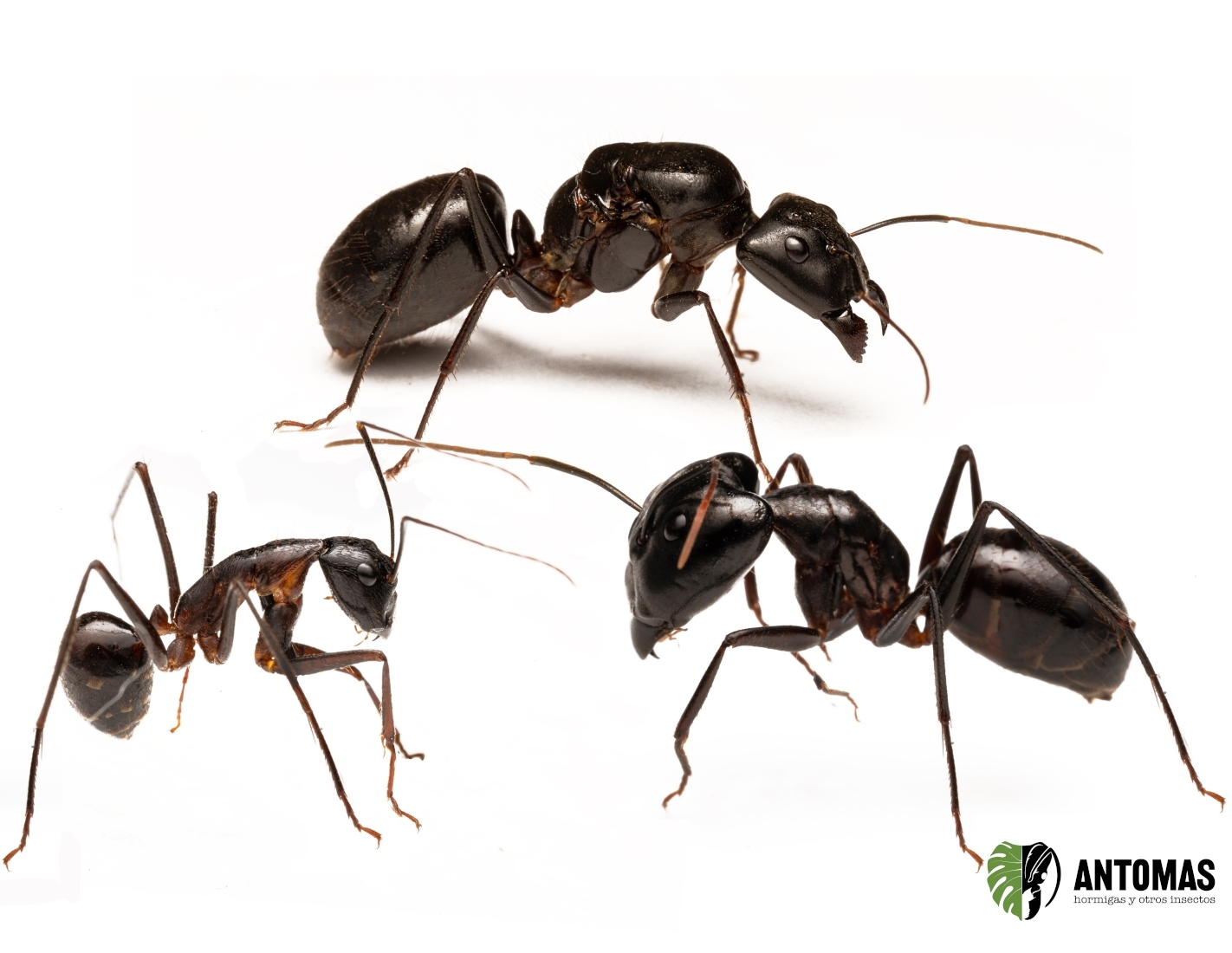
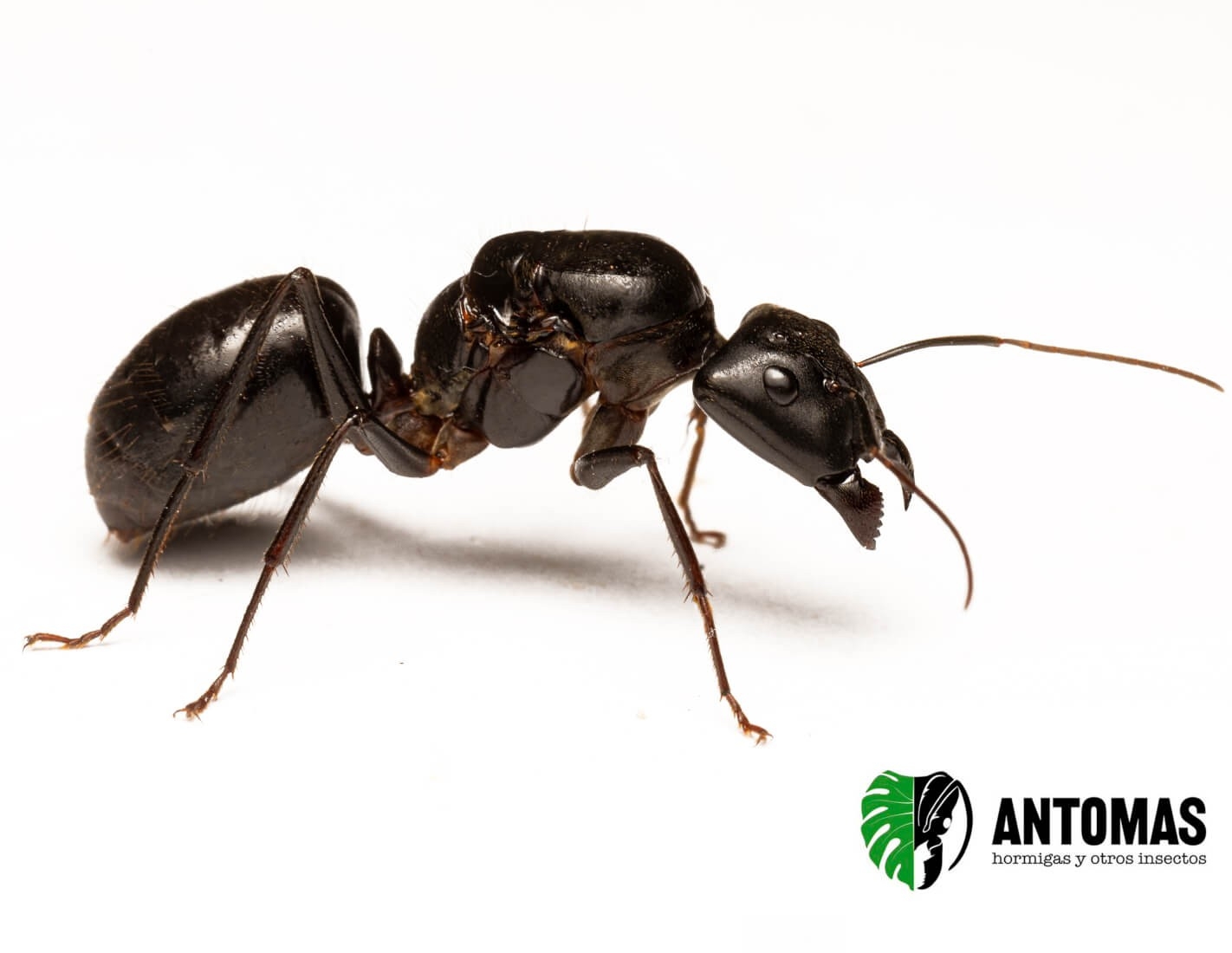
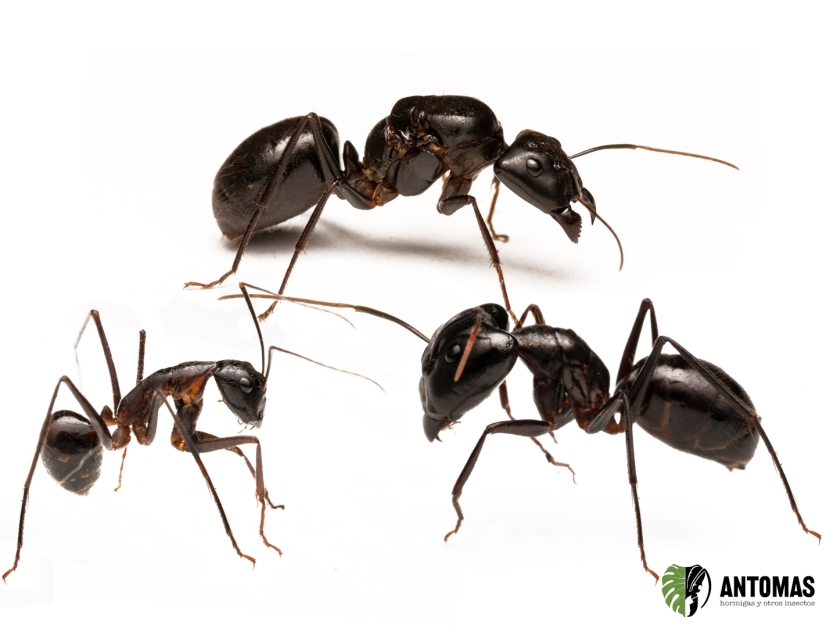
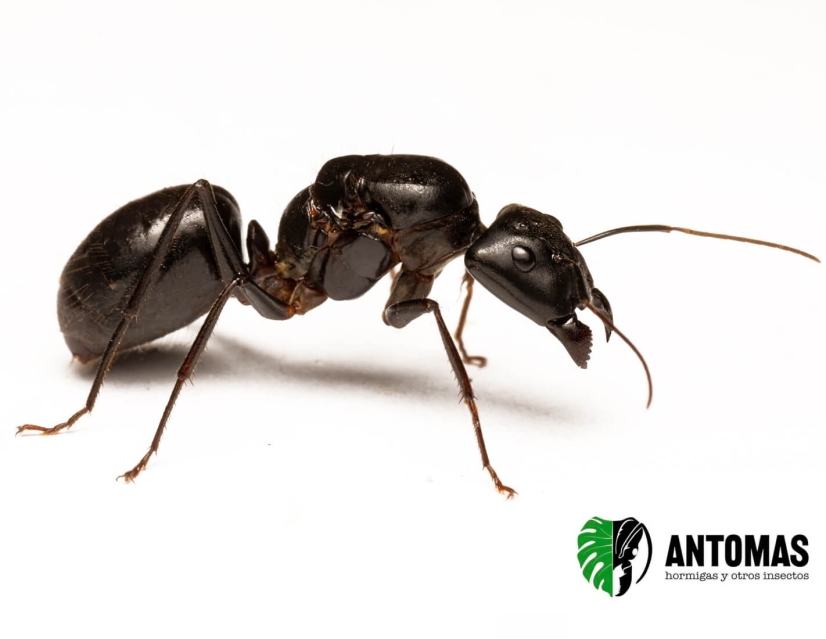
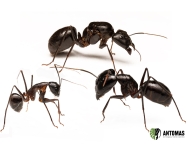
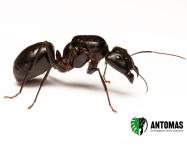
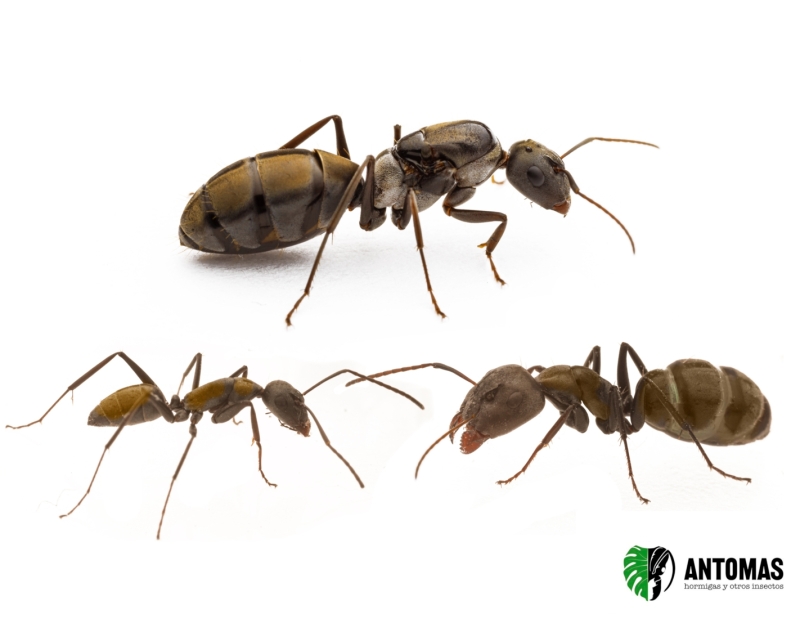
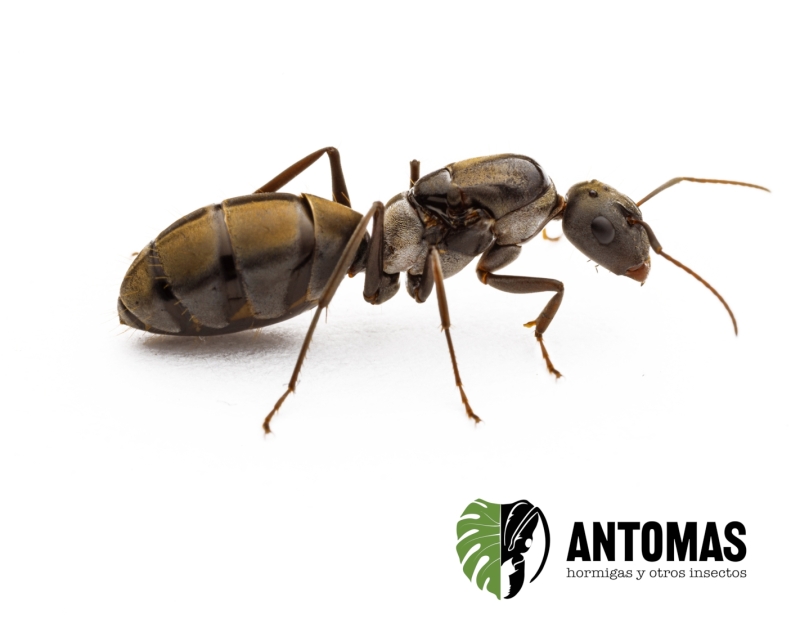
Camponotus sp. “titanicus” is, as far as documented, the largest known form of the genus Camponotus. Its general appearance is massive, with a dark and matte-colored body that reinforces its image as a robust and less slender ant compared to other species of the group.

The heads of the majors are extraordinarily developed, with highly prominent mandibular musculature. This adaptation allows for an extremely powerful bite, capable of easily piercing human skin and causing bleeding cuts. The mandibles are broad and heavily sclerotized, suggesting a clear specialization toward the predation of hard-bodied or large prey.

The queen is likewise of extreme size, with a voluminous mesosoma and broad gaster, indicative of potentially high reproductive capacity, although no published studies exist regarding its actual fecundity or the typical colony size under natural conditions.

Approximate measurements (according to unpublished observations):

  • Workers: 1.4–2.2 cm
  • Soldiers: 2–2.8 cm
  • Queen: 2.3–2.8 cm

These dimensions place it above virtually all known species of Camponotus.

Captive Care

There is no specific scientific literature regarding the captive care of this form, and the available experience comes from isolated breeding attempts. Current data suggest that it is an ant particularly sensitive to high temperatures, showing poor tolerance to excessive heat.

Observations indicate that successful maintenance requires moderate temperatures, preferably not exceeding 25 °C, together with a marked winter resting phase involving a significant temperature drop. This pattern suggests adaptation to montane or temperate climates within tropical regions.

Regarding feeding, it accepts various types of insects, sugary substances, and notably termites, which appear to constitute a particularly attractive resource for the species. This dietary preference reinforces the hypothesis of more specialized predatory behavior than that observed in most Camponotus.

Under suitable environmental conditions, it appears capable of developing colonies at a moderate pace, although there are no reliable data regarding maximum colony size.

No reviews

7 other products in the same category: