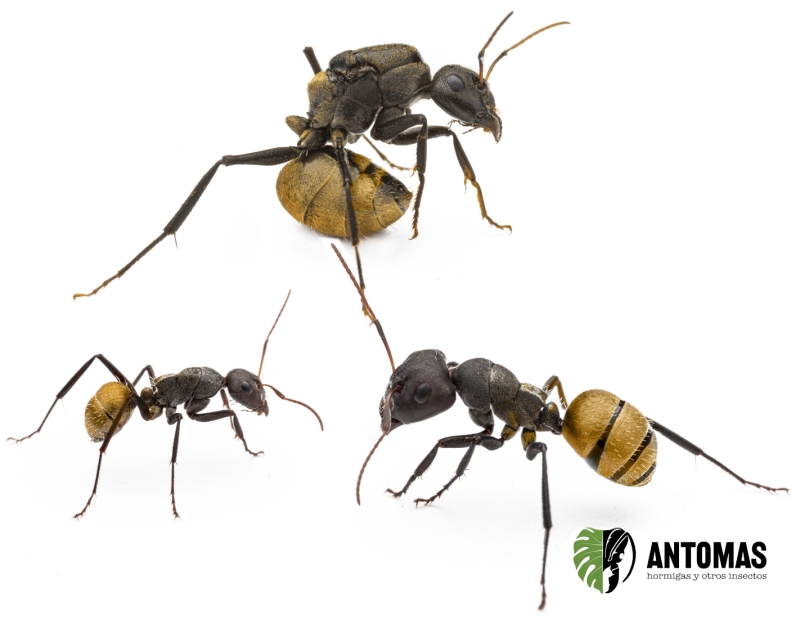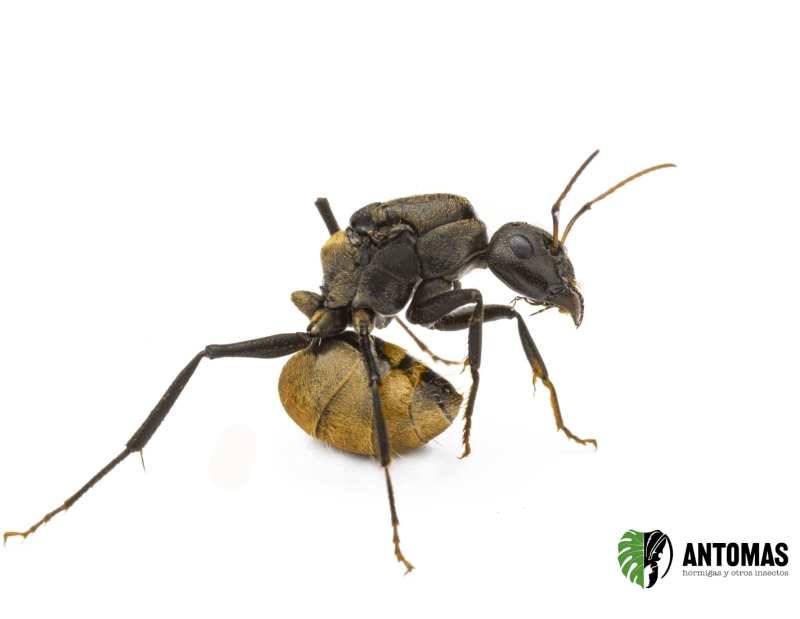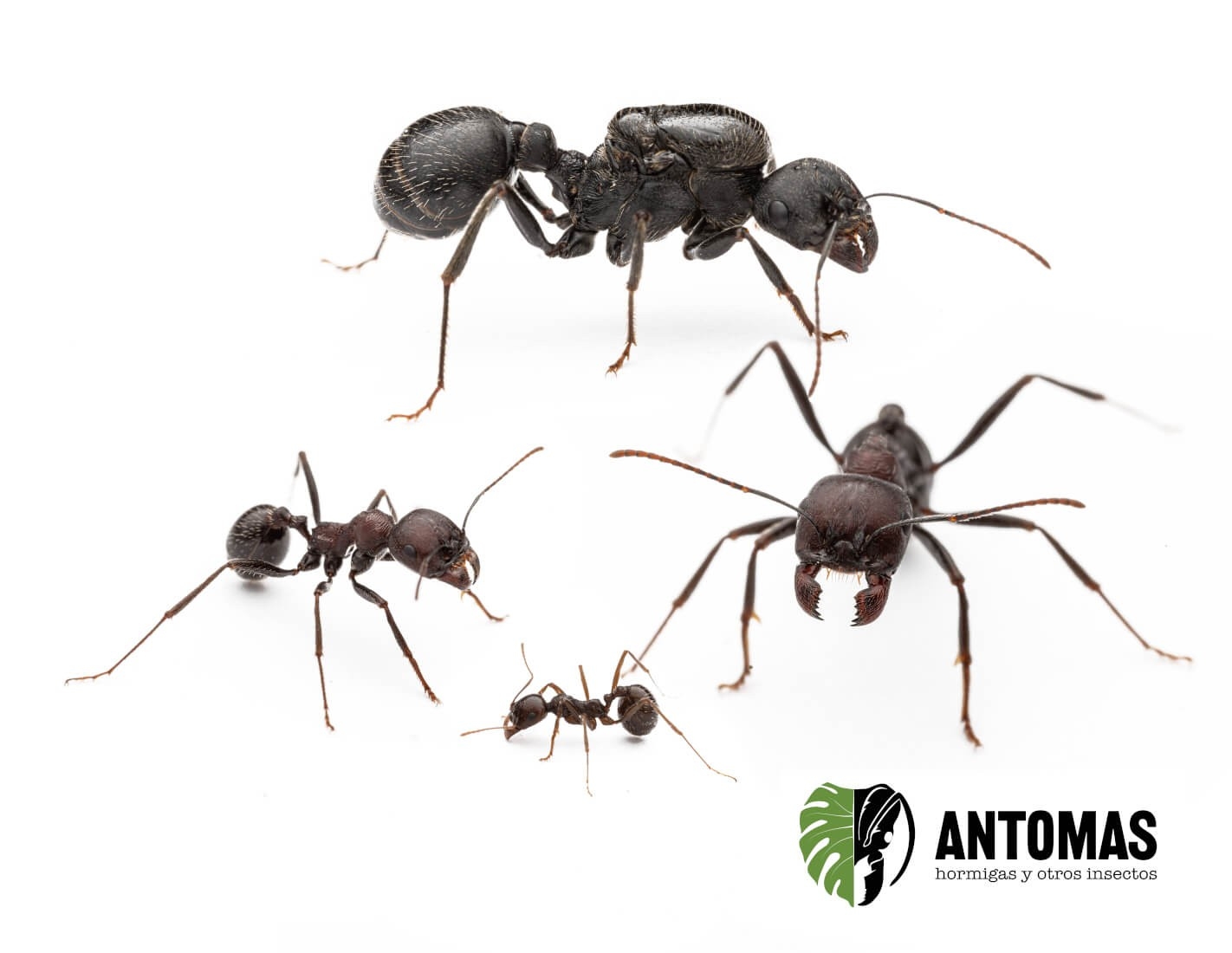
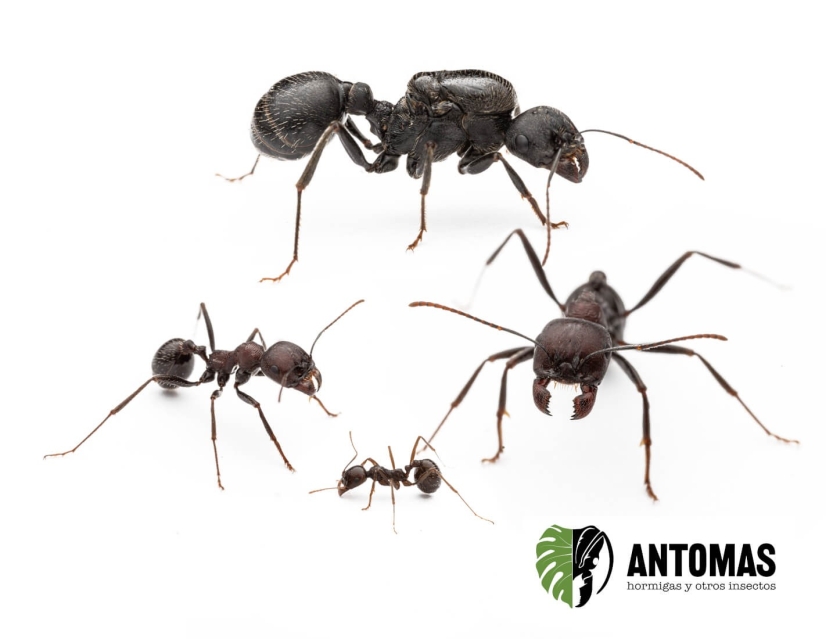
Messor arenarius
Messor arenarius

Messor arenarius

Out-of-Stock
€235.00
VAT included


Messor arenarius – Giant Desert Harvester Ant

Biology

Messor arenarius is one of the most impressive harvester ants of the genus Messor. It is a large species adapted to arid and desert environments, where colonies build deep underground nests that protect them from extreme surface conditions.

Its distribution is associated with North Africa and neighbouring desert regions, where it inhabits dry, sandy and sparsely vegetated areas. In these environments, temperature and food availability can vary greatly throughout the year.

Like other members of the genus, Messor arenarius is primarily granivorous. Workers collect seeds from the surroundings and transport them to the nest, where they are stored in dry chambers as a long-term food reserve.

This ability to store seeds allows the colony to survive periods when food is scarce on the surface. The workers process the seeds and produce the characteristic “ant bread”, which is then consumed by the colony.

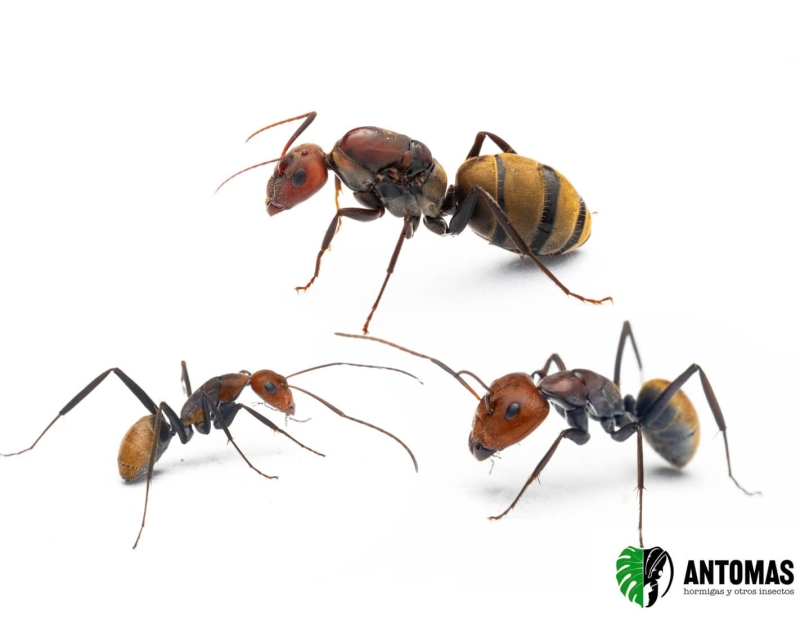
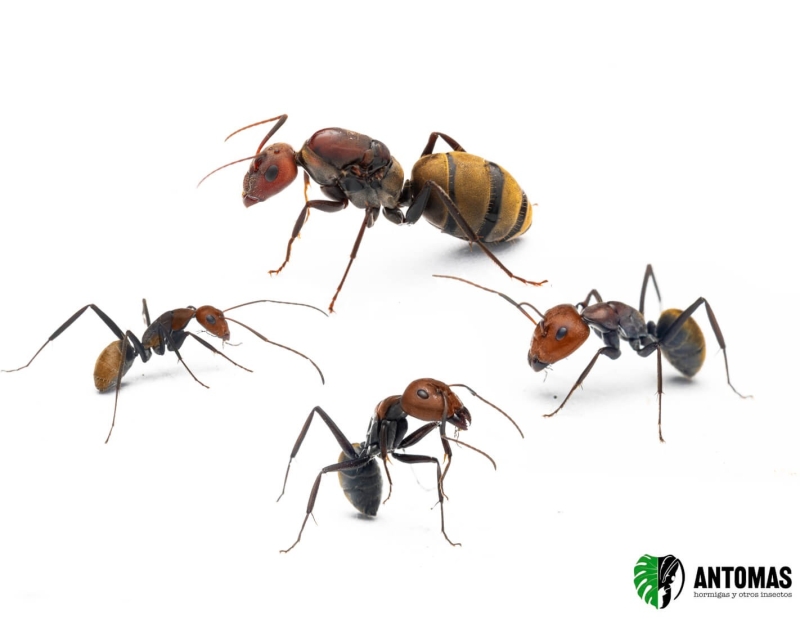
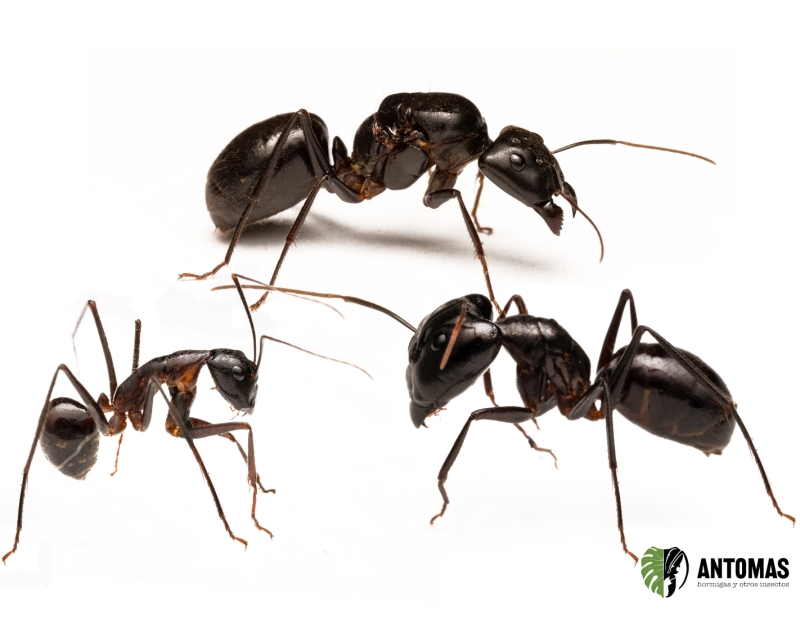
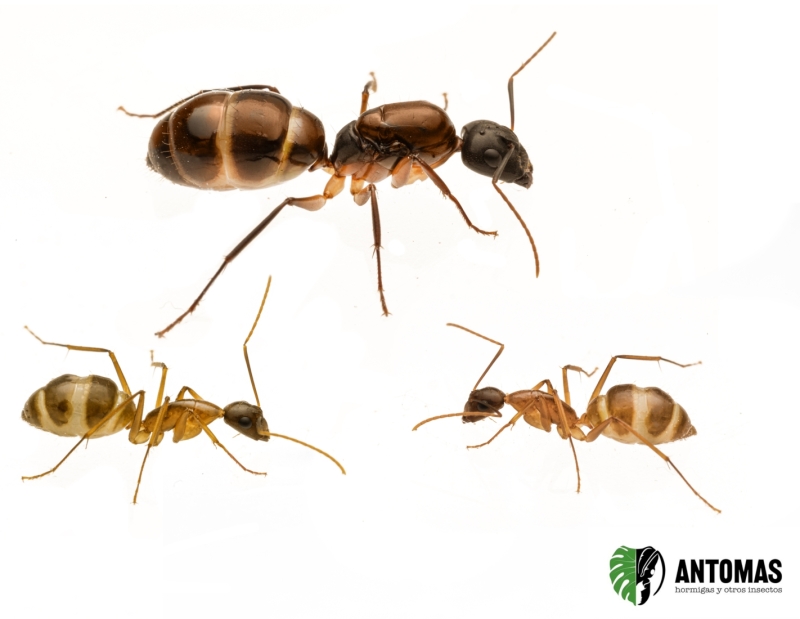
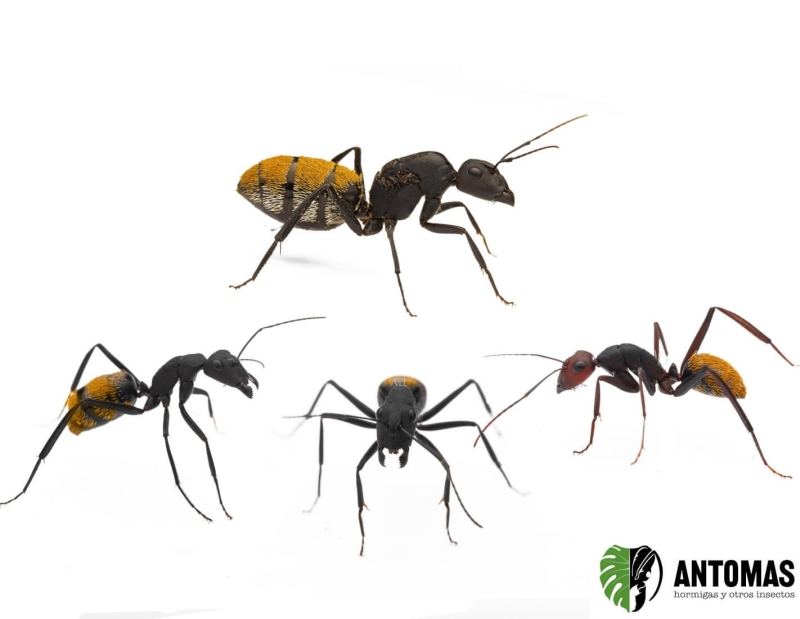
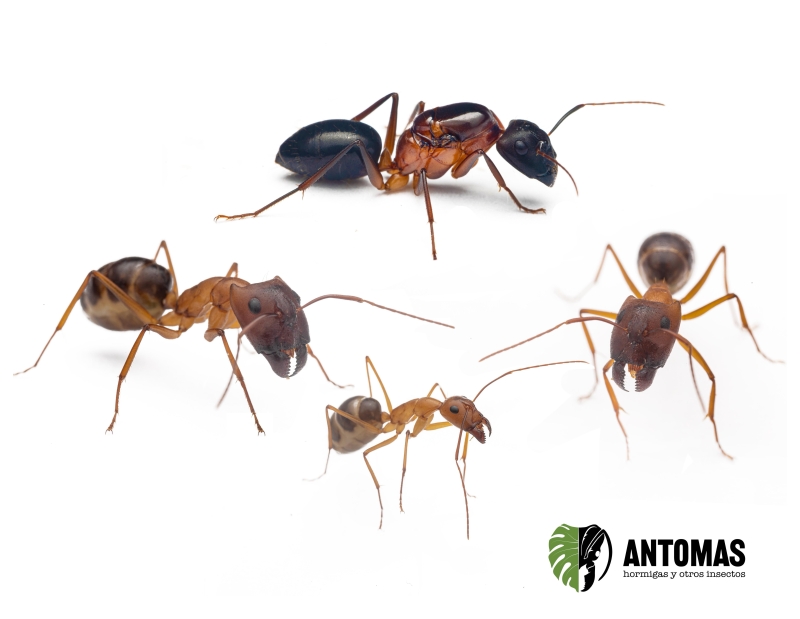
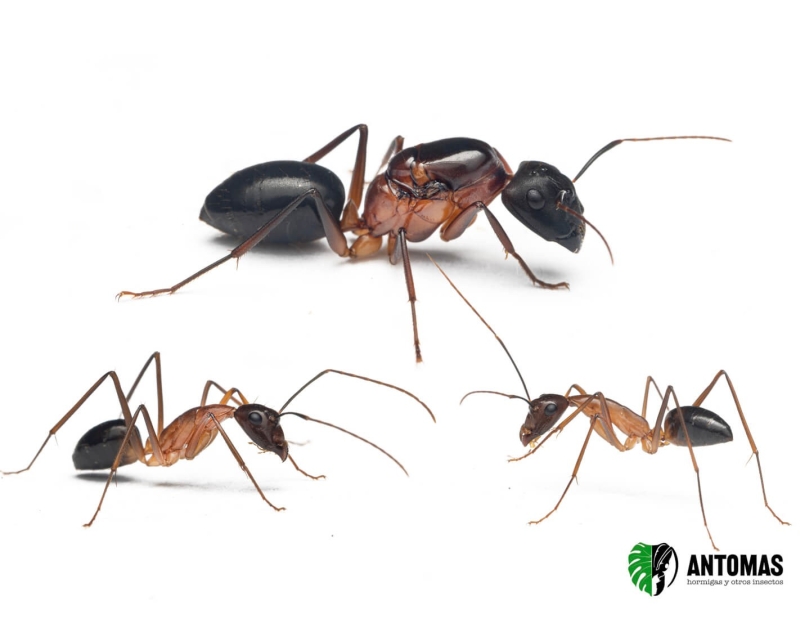
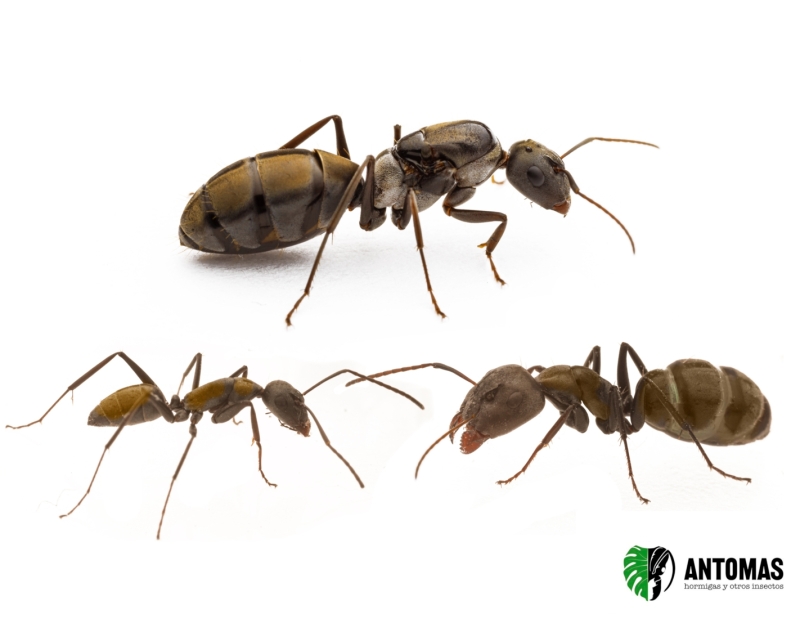
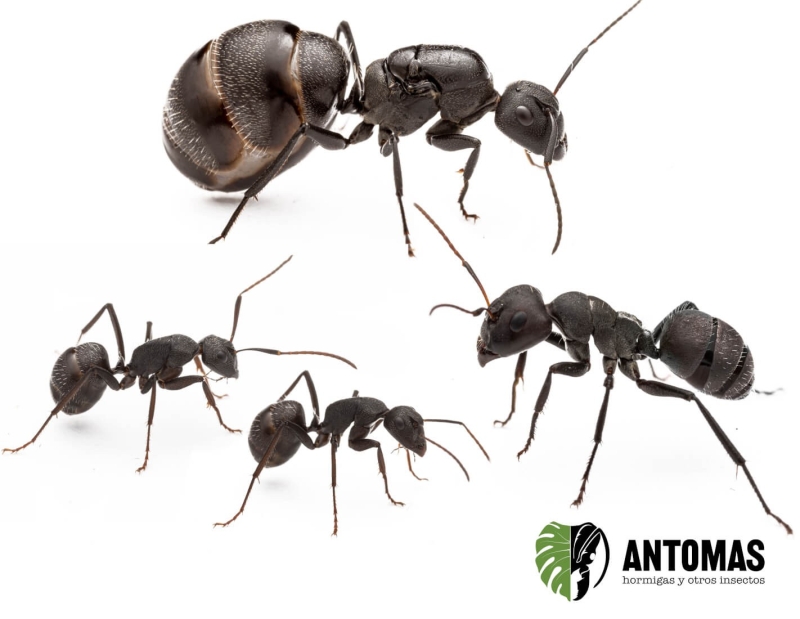
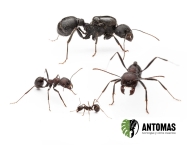
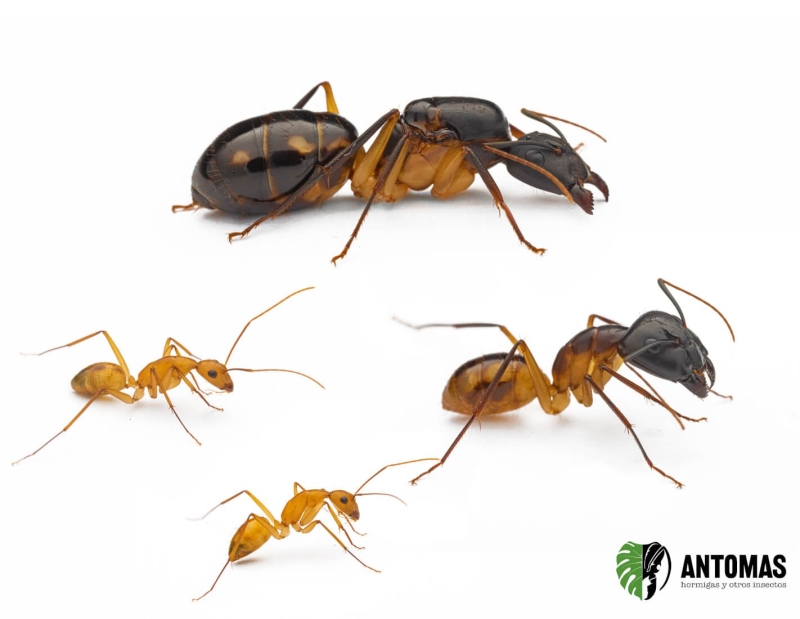
One of the most striking features of the species is its marked worker polymorphism. A mature colony contains workers of very different sizes, from small minors to enormous majors with disproportionately large heads and powerful mandibles.

The majors are specialised in tasks that require greater strength, such as processing hard seeds, defending the nest and moving larger objects.

This combination of large size, desert adaptation and pronounced polymorphism makes Messor arenarius one of the most spectacular species to observe in captivity.

A giant among harvester ants

  • individual foraging, when resources are scattered;
  • group recruitment, when a concentrated food source is discovered;
  • and the formation of foraging columns or trails when workers repeatedly exploit the same area.

This ability to change strategy according to resource distribution allows the colony to exploit the scarce and irregular food available in desert environments very efficiently.

Huge colonies beneath the sand

The nests of Messor arenarius can reach considerable dimensions.

The entrances are usually surrounded by areas cleared of vegetation and by accumulations of discarded material, seed husks and excavated soil.

Below the surface, the nest consists of a complex system of galleries and chambers that can extend to considerable depth.

This depth is essential in desert environments because it allows the colony to escape the extreme temperatures and very low humidity found at the surface during the hottest hours of the day.

The deepest chambers maintain much more stable conditions and can be used for brood, food storage and refuge during periods of extreme heat.

Workers can also move the brood between different areas of the nest depending on temperature and humidity.

In this way, the colony itself uses the nest as a large natural system of thermal and humidity regulation.

The nests of Messor arenarius can reach extraordinary dimensions.

In the Negev Desert, mature colonies have been studied with extensive underground systems and several entrances distributed across the surface.

Excavation generates large amounts of soil that the workers transport outside, forming very visible accumulations around the nest.

The colony also keeps the area surrounding the entrances relatively clear, creating a characteristic open space around the nest.

Inside, the galleries connect chambers with different functions:

  • brood chambers;
  • seed-storage chambers;
  • areas occupied by workers;
  • and deeper chambers that provide more stable temperature and humidity conditions.

This underground architecture is essential for surviving in the desert.

While the surface can reach extreme temperatures during the day, the deeper areas of the nest remain much more stable.

The workers can therefore move the brood and food reserves between chambers according to the environmental conditions at any given time.

A colony with enormous workers

Messor arenarius colonies are monogynous: they normally have a single reproductive queen.

However, the number of workers can become very large.

Mature colonies can reach several thousand workers, which explains the size of their nests and the enormous amount of seeds they can collect.

The queen is fully claustral during founding.

After the nuptial flight, she closes herself inside a small underground chamber and raises the first generation using her own body reserves.

She therefore does not need to forage during this stage.

Once the first workers emerge, they open the nest and begin searching for seeds and other food.

From that point onward, colony growth can accelerate considerably if temperature and food availability are suitable.

The development of large majors occurs progressively as the colony matures.

Young colonies are initially composed mainly of small workers, while the largest castes appear when the colony has sufficient resources to invest in them.

This is also a good example of why it is preferable to use the current valid scientific name and avoid assuming that old subspecies or varieties are necessarily equivalent to the nominal species.

Size and morphology

Messor arenarius is one of the largest species of its genus.

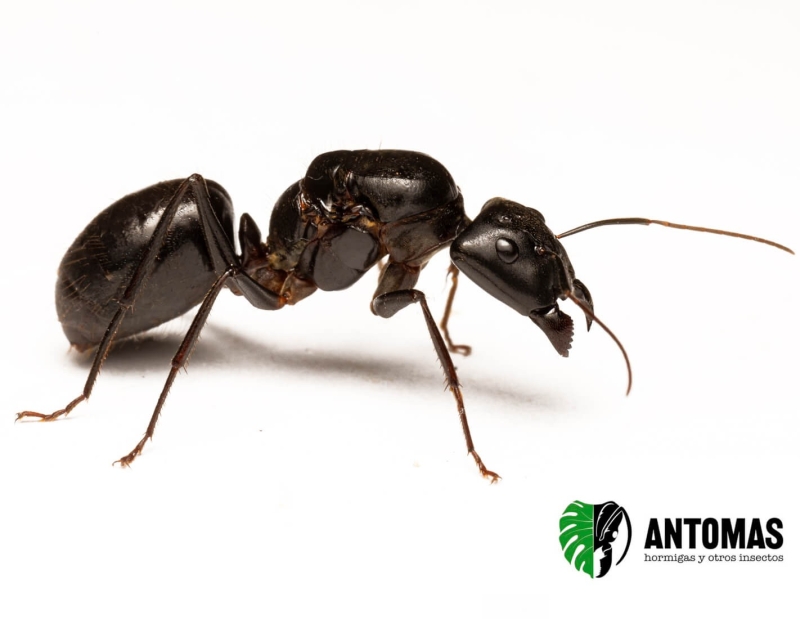
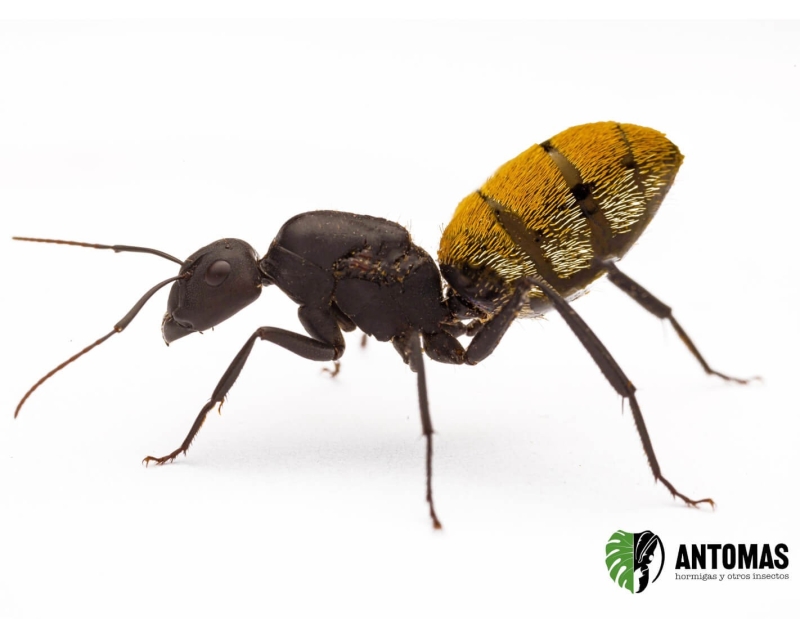
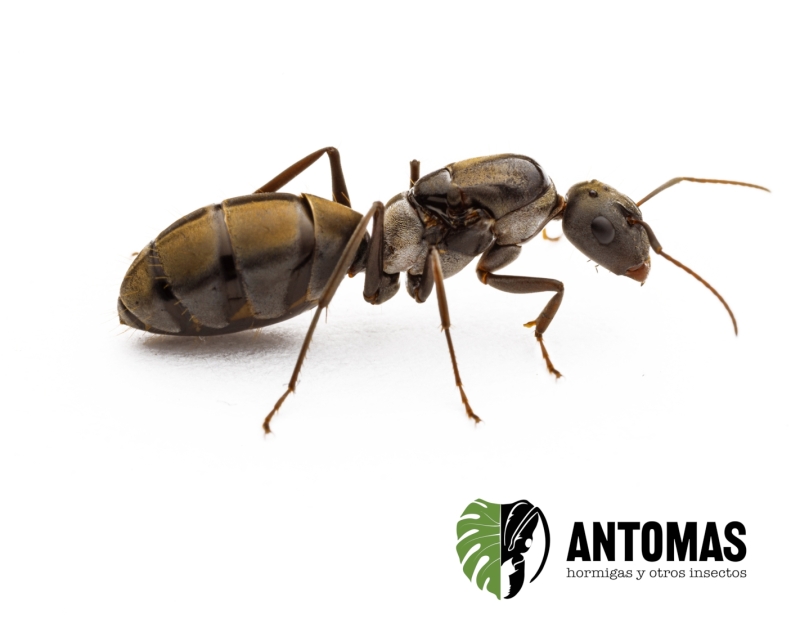
The queen is particularly impressive because of her large size and robust build.

Workers show an extraordinary range of sizes due to the species’ marked polymorphism.

Approximate sizes:

  • Queen: 18–22 mm
  • Minor workers: 4–7 mm
  • Medium workers: 7–11 mm
  • Majors: 11–15 mm or more in the largest individuals

The smallest workers are relatively slender, while the majors develop an enormous head with very powerful mandibles.

This morphological difference is directly related to the division of labour within the colony.

Large workers can process hard seeds and participate in defence, while smaller workers are more efficient at handling tiny seeds and carrying out delicate tasks inside the nest.

  • Queen: approximately 18–22 mm.
  • Workers: approximately 5–15 mm depending on caste.
  • Majors: the largest workers can approach or exceed 15 mm.

This size range makes a mature colony especially spectacular, since workers with radically different proportions can be seen moving together.

CAPTIVE CARE

Messor arenarius is a hardy species, but its desert origin can lead to one of the most common husbandry mistakes: keeping the entire nest too dry.

In nature, the surface may be extremely dry while the deepest chambers retain enough moisture for the brood.

In captivity, the key is therefore to reproduce this contrast by providing a dry area for seed storage and a more humid area for eggs and larvae.

We consider it a species of intermediate difficulty. Its basic care is not complicated, but its eventual size, powerful majors and need for a well-managed humidity gradient make it more suitable for keepers who already understand the basic functioning of a harvester-ant colony.

Recommended parameters

  • Temperature: 24–28 °C.
  • Warm spot: 28–31 °C.
  • Nest humidity: gradient from a clearly humid area to very dry chambers.
  • Foraging area: dry and well ventilated.

Heating only one part of the nest is preferable to heating the entire system uniformly.

  • Temperature: 24–28 °C
  • Warm spot: 28–30 °C
  • Nest humidity: moderate, with a clearly humid area for the brood
  • Seed-storage chambers: dry
  • Foraging area: dry and well ventilated

A thermal gradient is highly recommended. Heating only one area of the nest allows the ants to move the brood according to their needs.

It is not advisable to heat the entire nest uniformly.

Humidity

Despite being a desert species, Messor arenarius needs access to moisture inside the nest.

The best option is to maintain a humidity gradient:

  • a humid area for eggs and larvae;
  • intermediate areas for the rest of the brood;
  • and very dry chambers for storing seeds.

Excess humidity in the granaries can cause seeds to germinate or develop mould.

For this reason, the hydration system should affect only part of the nest.

The foraging area should remain relatively dry.

Once the first workers appear, small amounts of seeds can begin to be offered.

At this stage it is also advisable to provide a small source of protein, especially when larvae are present.

The colony should remain in the test tube until the number of workers makes moving to a small nest more practical.

Moving them too early to an excessively large nest can make humidity control and waste management more difficult.

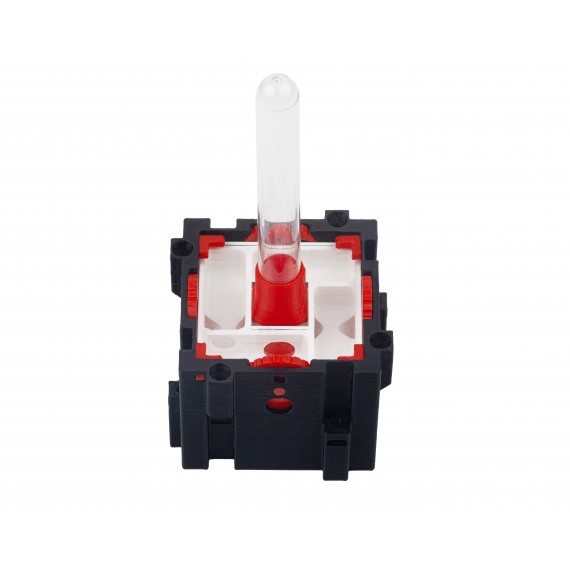
For the founding stage and very small colonies, a test tube or a compact founding module is sufficient.

As the colony grows, it is advisable to use a nest with large galleries and differentiated hydration areas.

Modular systems are especially practical for this species because they allow the available space to be expanded as the colony grows.

The dry chambers can be used as granaries, while the areas closest to the hydration system can be used for brood.

It is important not to provide too much space at once. The nest should be expanded progressively as the number of workers increases.

For large colonies, it is advisable to use spacious modules with large galleries and a generous foraging area.

The modular system makes it possible to add new nesting areas without disturbing the colony excessively.

This is particularly useful for Messor arenarius, as mature colonies can reach a considerable population and need substantial space for both workers and seed storage.

Feeding

Seeds

Seeds form the basis of the diet of Messor arenarius.

It is advisable to offer a varied mixture rather than relying on a single type of seed.

Suitable options include:

  • millet;
  • canary seed;
  • grass seeds;
  • poppy seeds;
  • chia;
  • sesame;
  • other small and medium-sized seeds.

As majors appear, larger and harder seeds can also be incorporated into the diet.

As the colony grows and larger workers appear, progressively larger and harder seeds can be added.

The majors are perfectly capable of opening seeds that would be impossible for the first nanitic workers to process.

Variety is more important than quantity. It is preferable to offer several types of seeds in moderate amounts and replenish them as they are consumed.

The colony will transport the seeds to the dry chambers and organise them according to its own needs.

Protein

Although seeds form the basis of the diet, animal protein is very useful during periods of intense brood production.

It can be offered in the form of:

  • small crickets;
  • mealworms;
  • cockroaches;
  • flies;
  • other appropriately sized feeder insects.

Young colonies should receive small prey or portions that the workers can handle easily.

In established colonies, protein can be offered several times a week when many larvae are present.

As always, uneaten insect remains should be removed before they deteriorate.

Carbohydrates and water

Although Messor obtain much of their energy from seeds, the colony should always have access to clean water.

Small amounts of sugary liquids can also be offered occasionally, although they are not as essential as in strictly nectar-feeding ants.

If sugar water or nectar is provided, it should be offered in small quantities to avoid drowning and fermentation.

Diapause

Messor arenarius does not require an intense cold diapause.

In its natural range, winter conditions are milder than those experienced by many European species.

During the colder months, a moderate reduction in temperature and feeding can be provided, allowing the colony to reduce its activity naturally.

It is not necessary to refrigerate the colony.

If you wish to reproduce a slight seasonal variation, the temperature can be reduced to approximately 20–23 °C for several weeks during winter.

This reduction is optional and should not be confused with the pronounced cold diapause required by species from temperate climates.

During this period, the colony may reduce its activity and food consumption.

Behaviour in captivity

Messor arenarius is generally a calm species inside the nest, although large colonies can display intense foraging activity.

The workers spend much of their time collecting, transporting, sorting and processing seeds.

One of the most interesting behaviours to observe is the organisation of the granaries.

The colony usually selects the driest chambers to store seeds and can move them if environmental conditions change.

It is also common to observe workers transporting brood between chambers with different humidity and temperature conditions.

As the colony grows and the first large majors appear, the contrast between worker sizes becomes one of the most spectacular features of the species.

Messor arenarius is one of the most interesting Messor species to observe because of the combination of its large size and its seed-management behaviour.

Even relatively small colonies spend a great deal of time organising their environment.

They transport seeds, sort them by size, move them between chambers and relocate them when humidity changes.

As the colony grows, this activity becomes increasingly visible in the foraging area.

The appearance of the first majors is one of the most striking moments in the colony’s development.

The size difference between a minor worker and a large major can be enormous, giving the colony a highly polymorphic appearance.

Majors are especially useful for opening large or hard seeds, although they can also participate in nest defence.

When disturbed, the workers may react defensively, but under normal conditions they are not particularly difficult to manage.

Because of their size, they are easy to observe and make an excellent species for studying the division of labour within a harvester-ant colony.

With sufficient space, a good humidity gradient and a varied diet, Messor arenarius can develop into a large and spectacular colony.

Messor arenarius is not a dangerous species, but the largest majors possess very powerful mandibles.

Direct handling with bare hands is not recommended, especially with mature colonies.

For routine maintenance, it is preferable to use tweezers and ensure that the foraging area has an effective anti-escape barrier before opening it.

With basic precautions, Messor arenarius is an easy-to-manage species whose large size, pronounced polymorphism and seed-harvesting behaviour make it especially spectacular to keep and observe.

Dificultad
Novice
No reviews

9 other products in the same category: