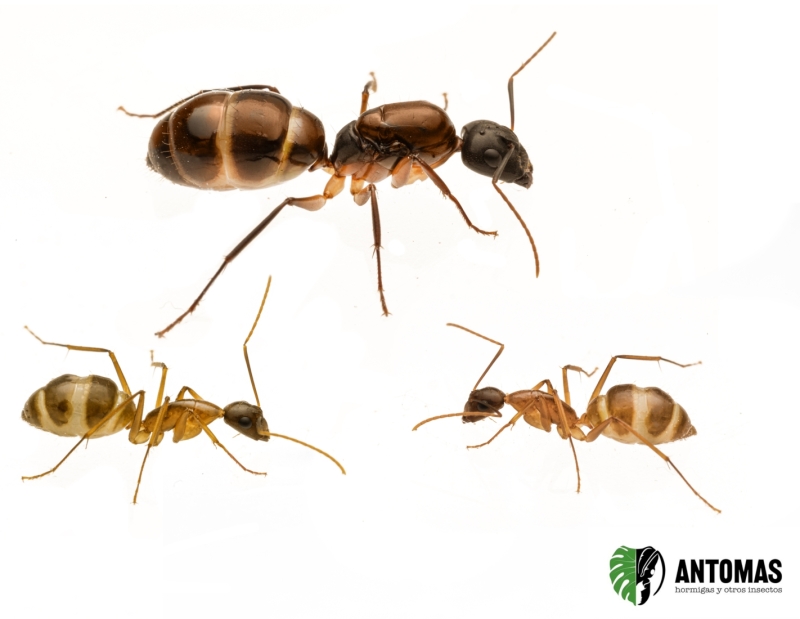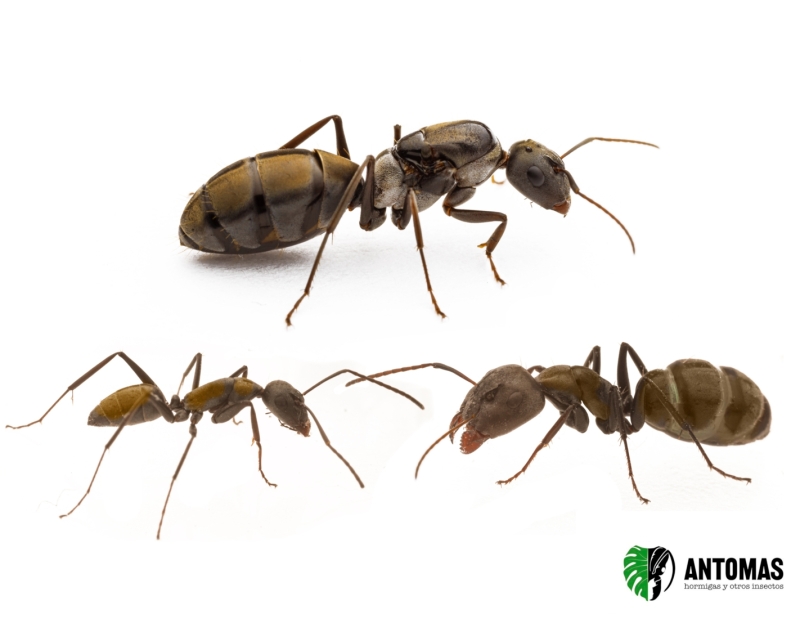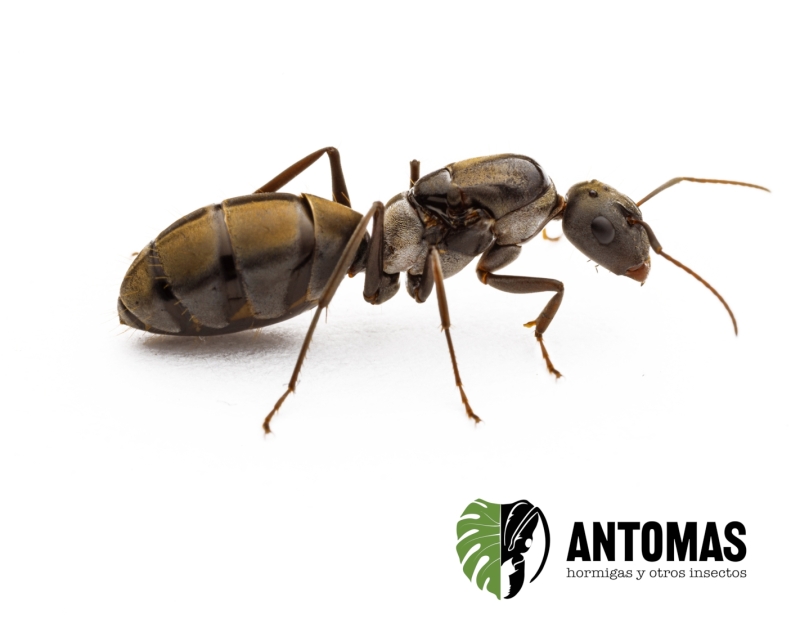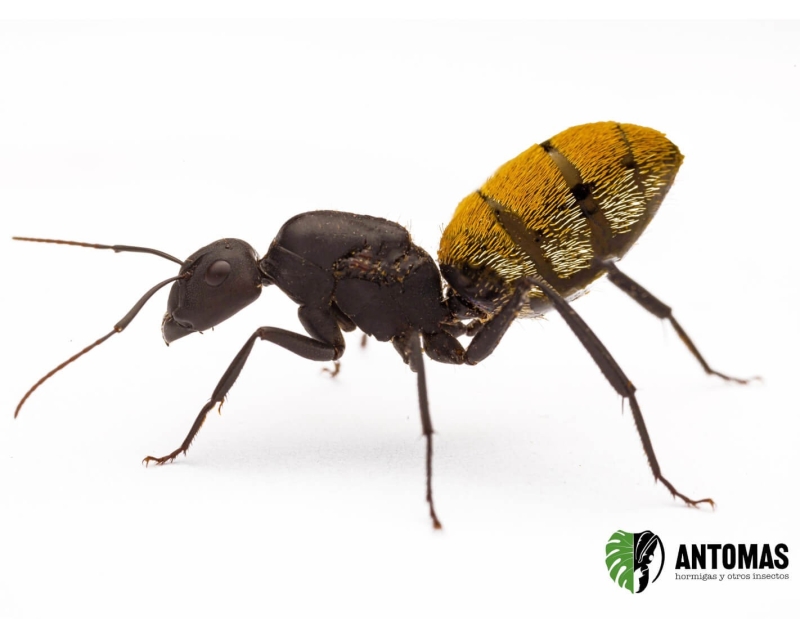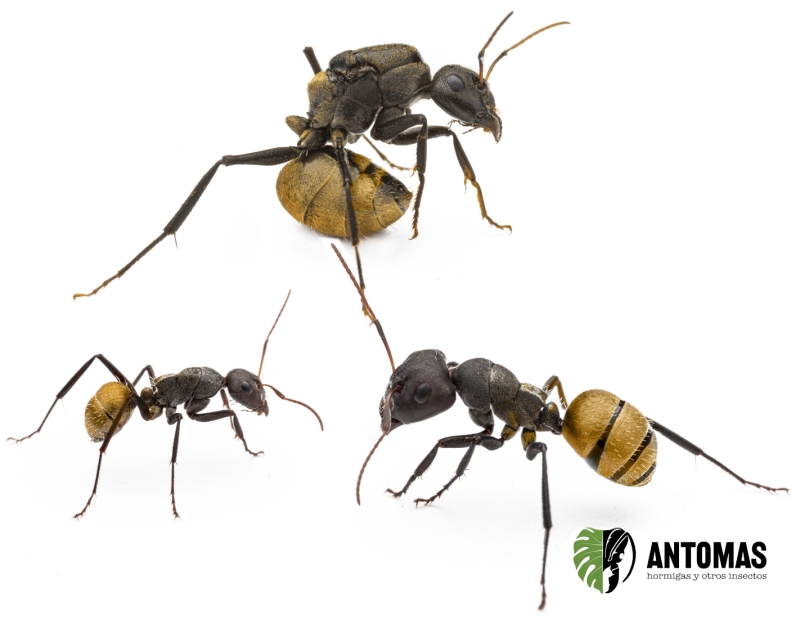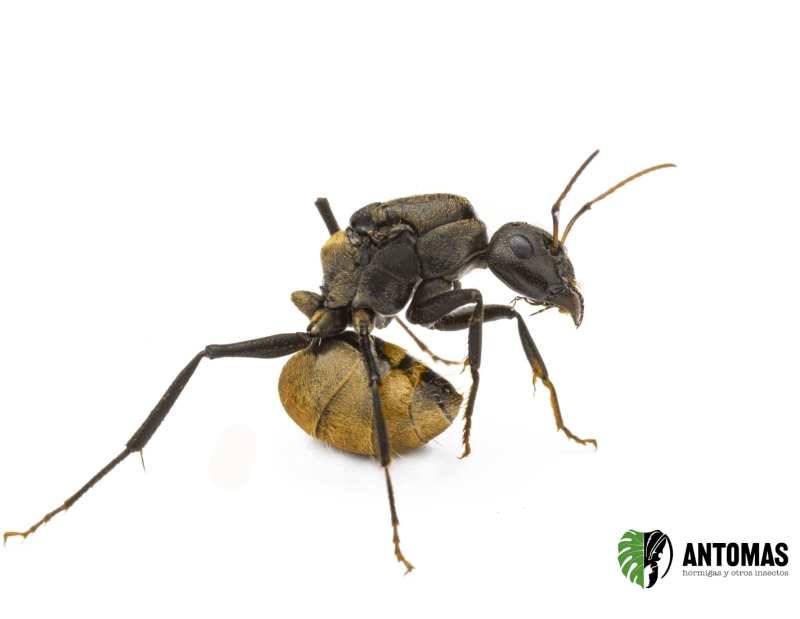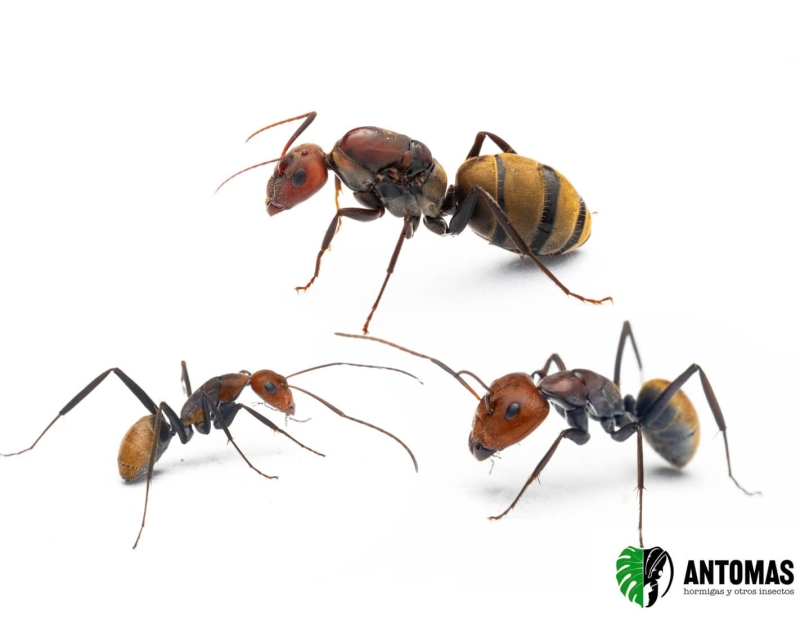
Camponotus sp devil candy

Camponotus sp devil candy

Last items in stock
€134.99
VAT included
Colony


Camponotus sp. “Devil Candy”

Biology and Ecology

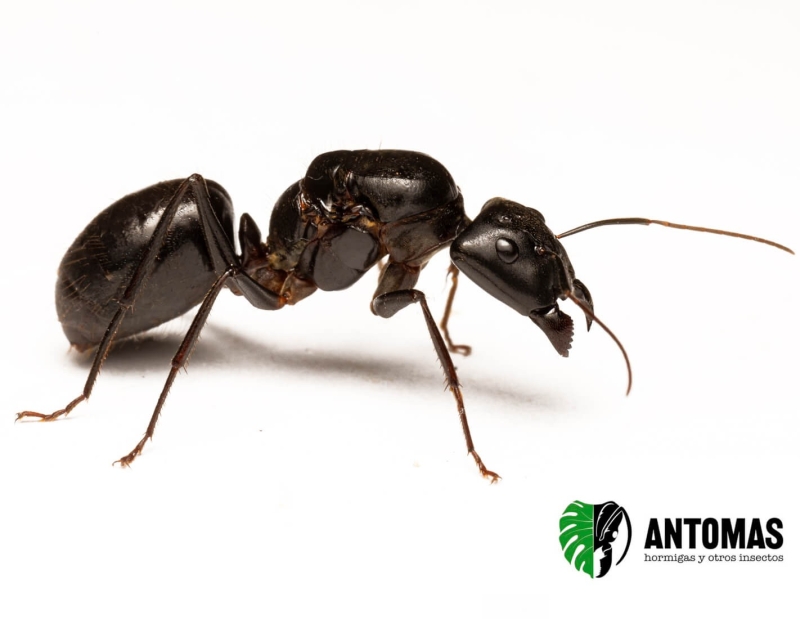
Camponotus sp. “Devil Candy” is a large African species currently under observation and study, so the available information remains limited and provisional. It belongs to a group closely related to Camponotus lycurgus, displaying characteristics typical of large and aggressive species within the genus.

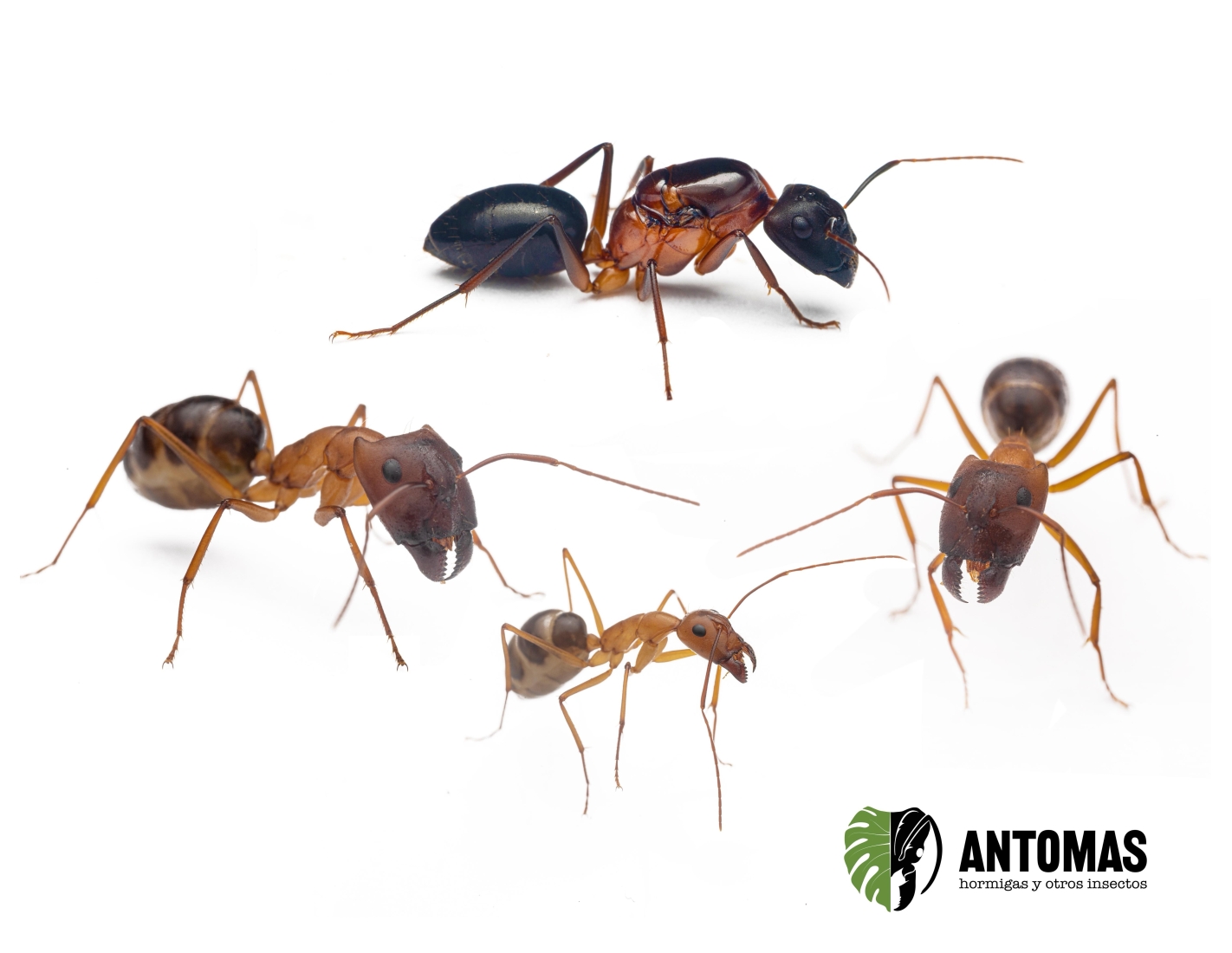
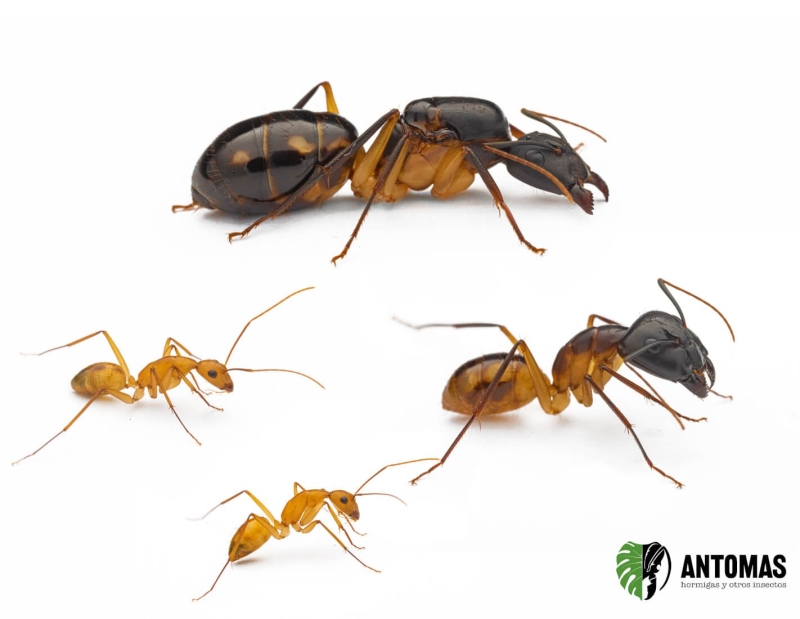
It is an active predatory ant with territorial and dominant behavior in its natural habitat. The majors possess extremely powerful mandibles, capable of overpowering hard-bodied small to medium-sized prey. The heads of these individuals are distinguished by horn-like projections on the genae, an adaptation that increases bite force and inspires the species’ common name, “Devil”.

It inhabits mountainous regions of Africa, where temperatures are generally cooler than in other environments inhabited by exotic Camponotus species. This adaptation allows it to remain active during periods of moderate cold and likely influences its reproductive cycle and foraging behavior. Colonies appear to be of moderate size, although information regarding social structure and population density remains incomplete.

Size and Morphology

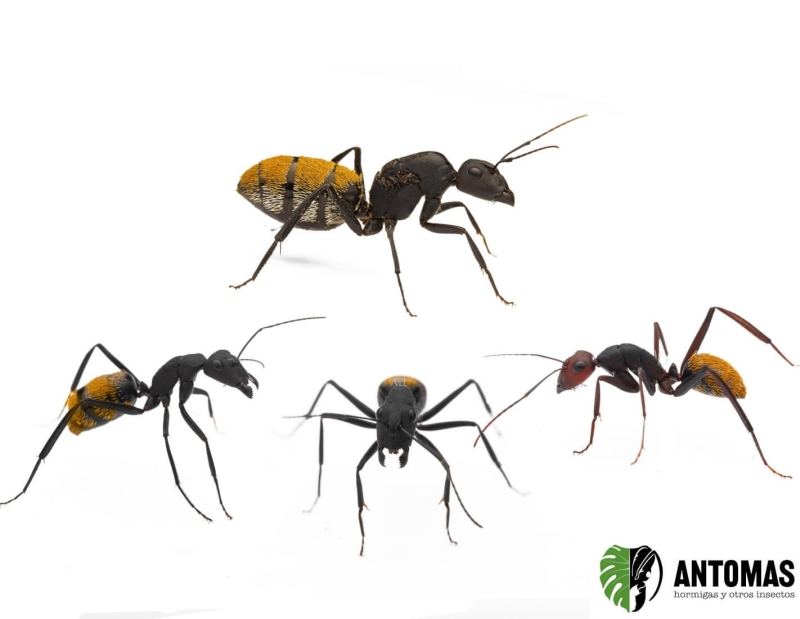
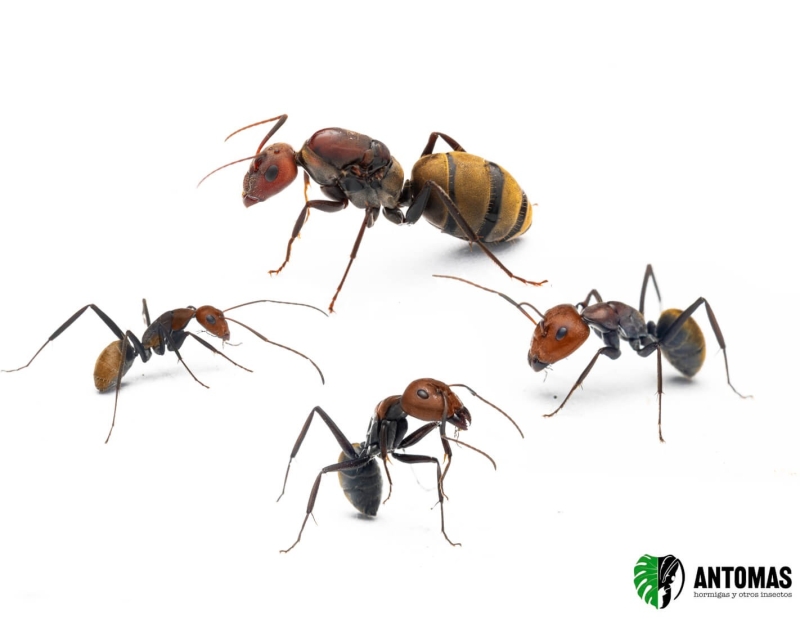
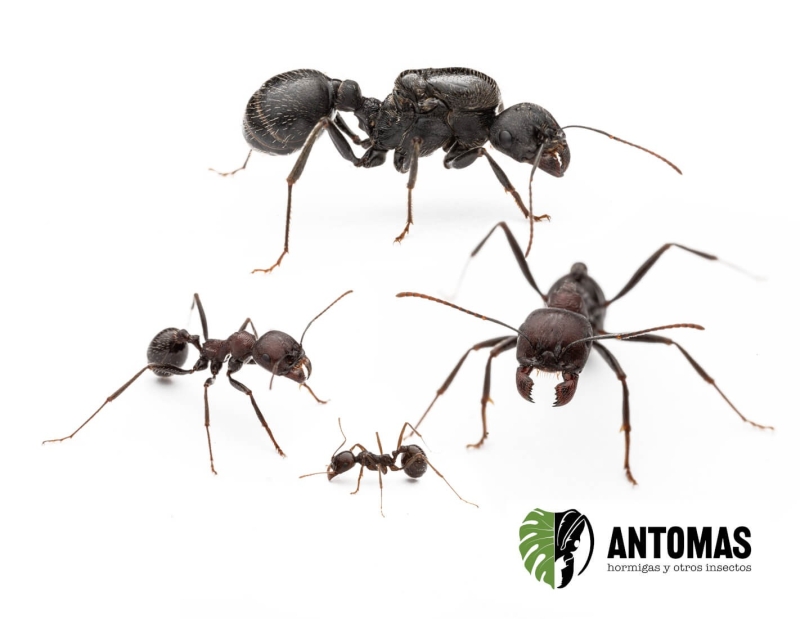
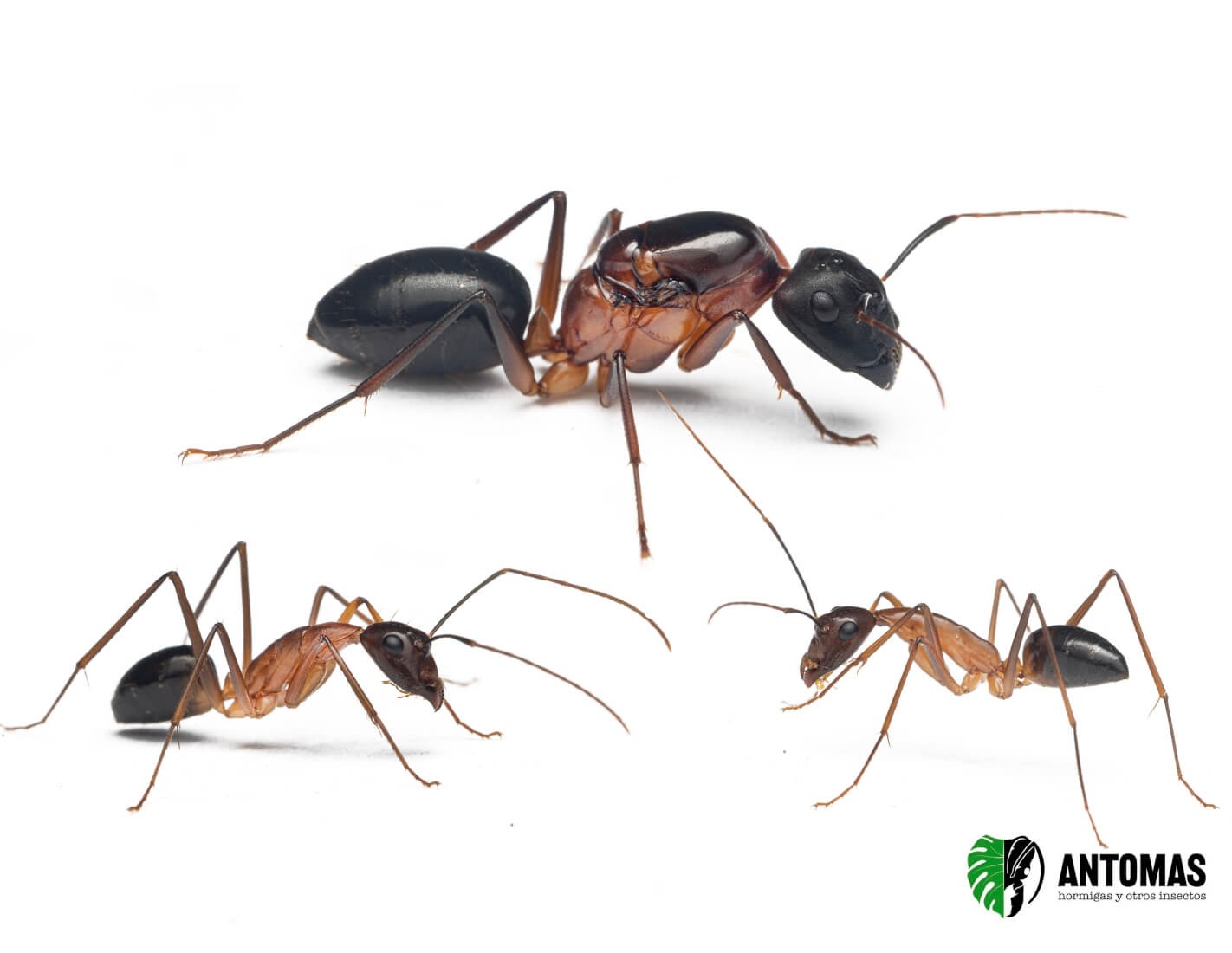
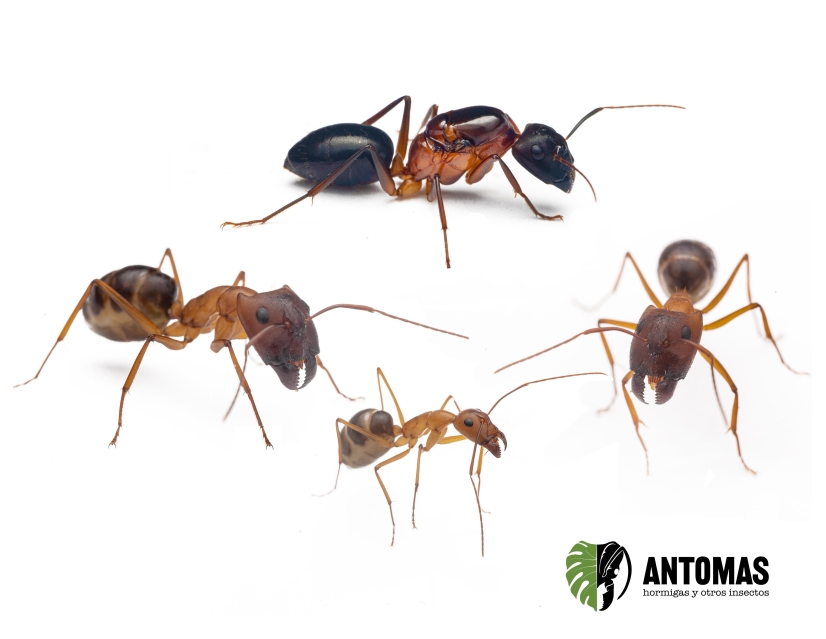
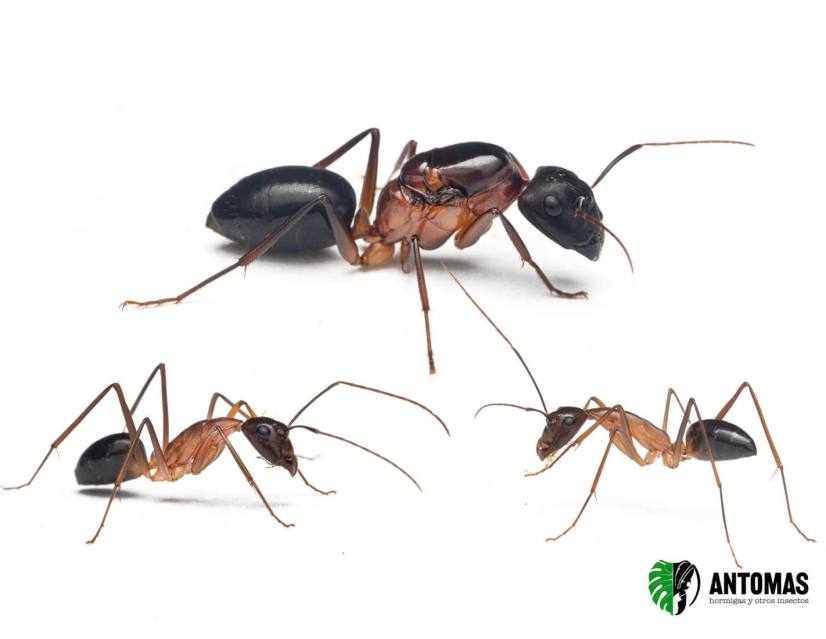
Camponotus sp. “Devil Candy” is a large species with pronounced polymorphism. The soldiers (majors) are extremely robust and even surpass the queen in size and musculature, being primarily adapted for defense and the handling of resistant prey.

The body coloration is reddish and black, with clearly defined contrasts: majors and workers display evident red tones combined with black, whereas the queen is completely black, reflecting her reproductive status and reduced need for direct foraging activity.

Approximate measurements

  • Workers: 0.5–1.3 cm
  • Soldiers (majors): 1.3–2 cm
  • Queen: ~1.7 cm

The body is robust, with a firm and muscular exoskeleton, especially in the head and mesosoma, while the cranial projections of the majors provide an imposing appearance, reinforcing the perception of strength and aggressiveness characteristic of the species.

Captive Care

Although it is still a poorly studied species, it is known that Camponotus sp. “Devil Candy” can adapt relatively well to captivity, developing moderate-sized colonies very quickly when provided with suitable conditions.

Care recommendations

  • Temperature: maintain between 20 and 30 °C; prolonged exposure above 30 °C is not recommended.
  • Diapause: they can tolerate resting phases at around 17 °C, reflecting their adaptation to mountainous environments.
  • Feeding: requires a higher proportion of protein than other Camponotus, accepting live or dead insects; nectar is important, but in smaller quantities.
  • Nests: they require large foraging areas where workers and majors can move freely; they prefer nests made from natural materials.
No reviews

7 other products in the same category: