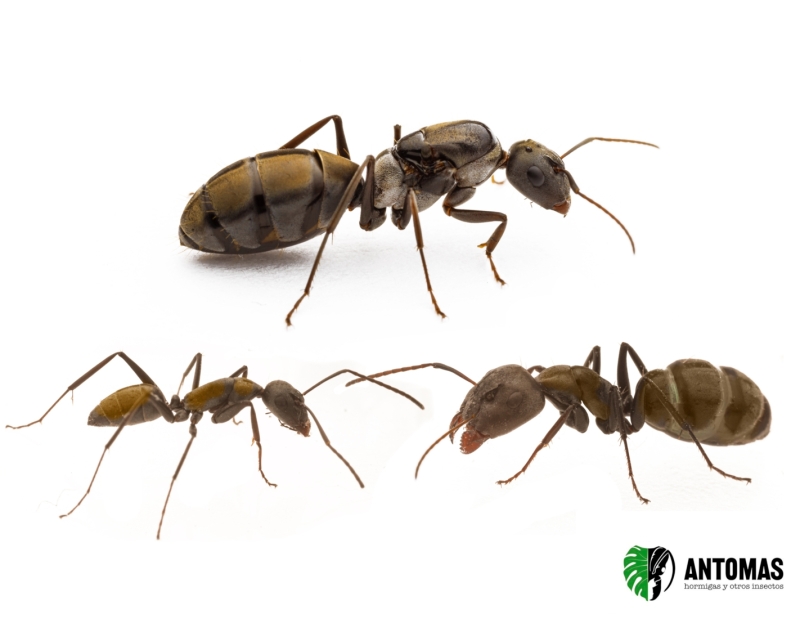
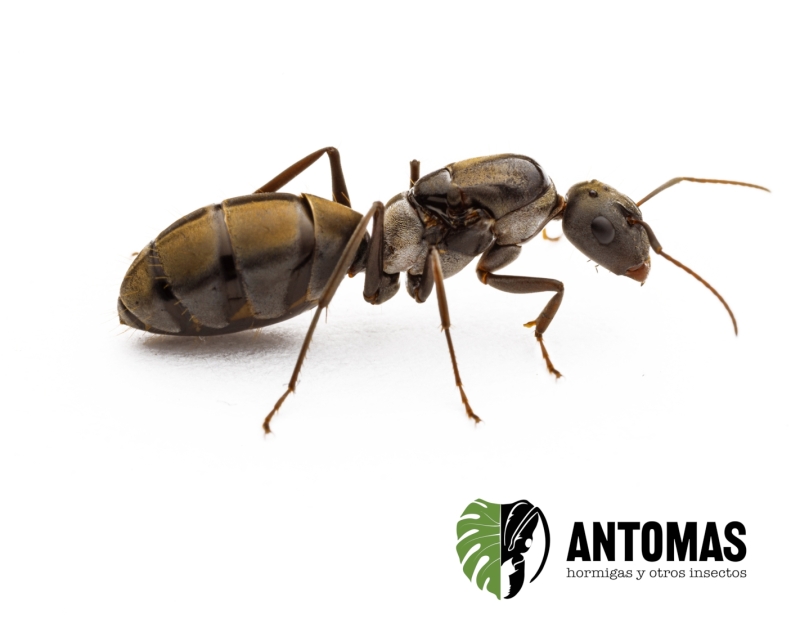
Camponotus cf. mayri

Camponotus cf. mayri

Last items in stock
€29.99
VAT included
Colony


Camponotus cf. mayri

BIOLOGY

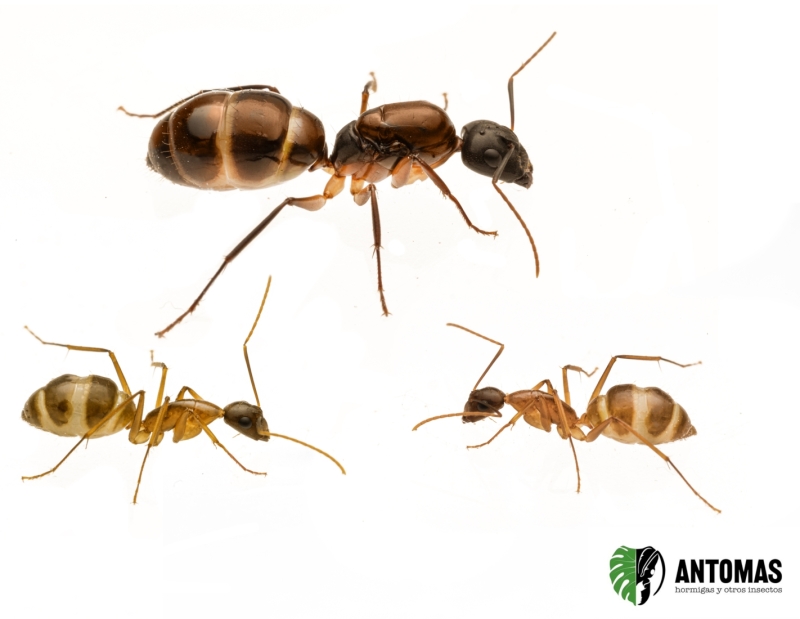
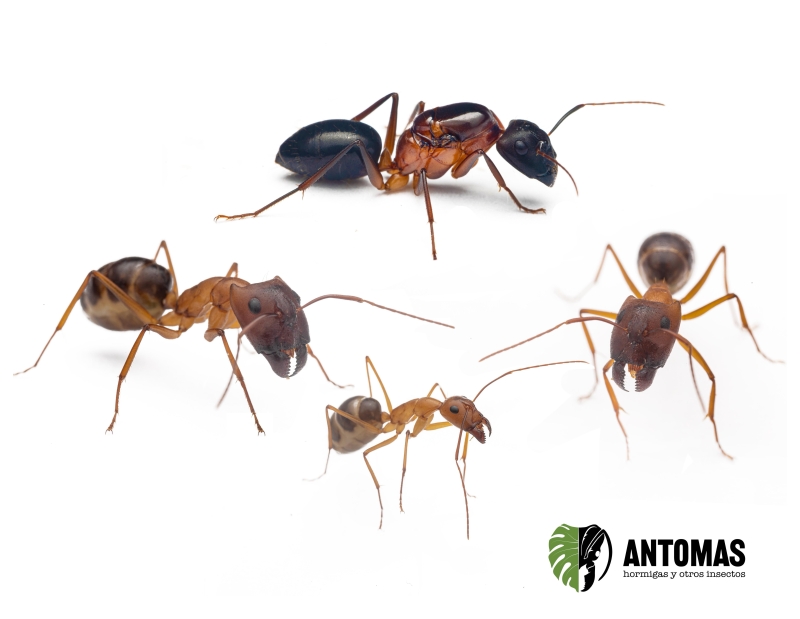
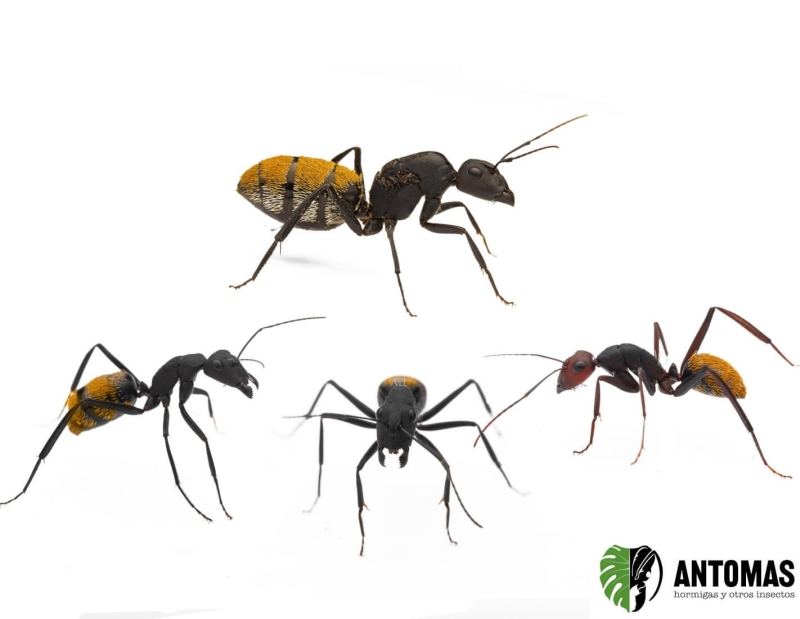
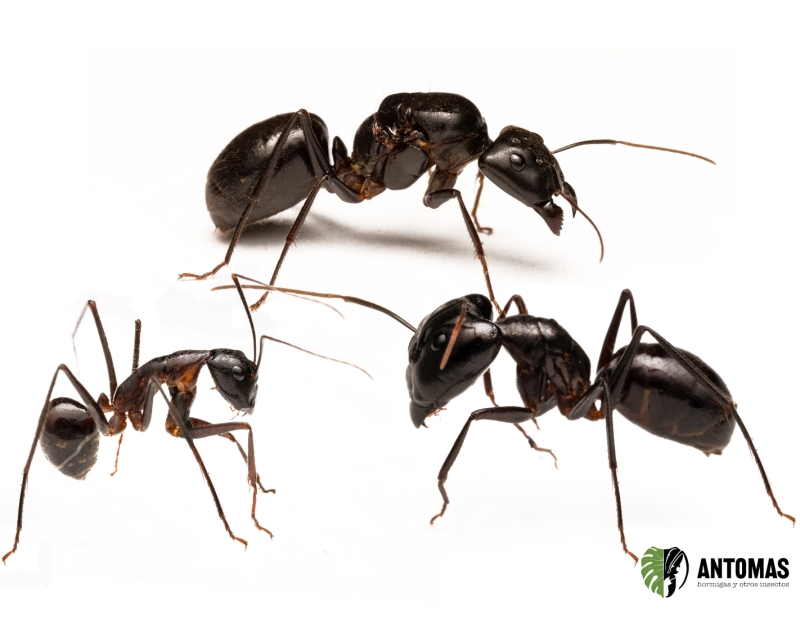
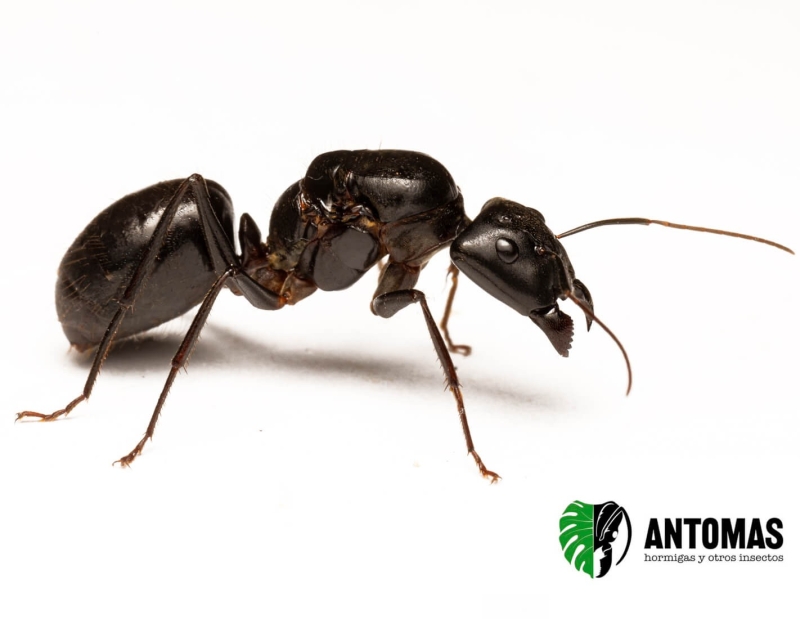
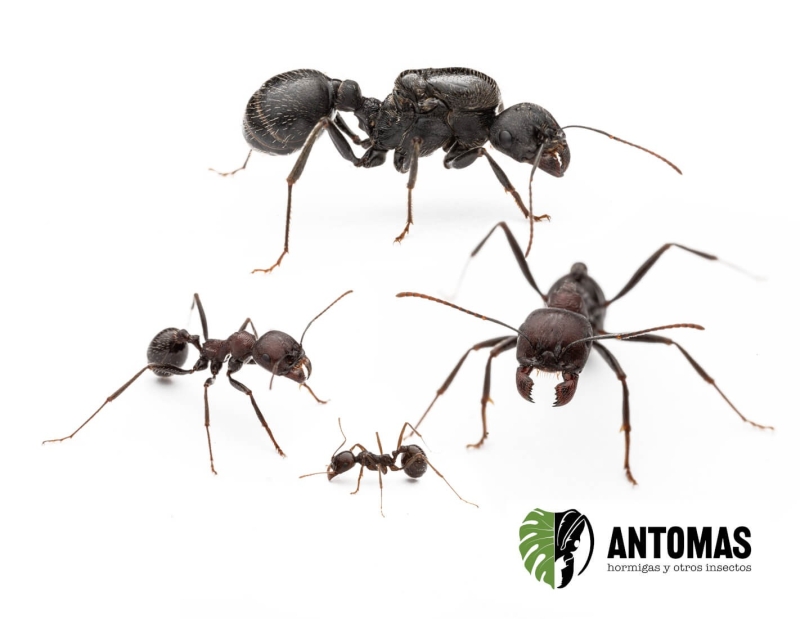
The colony marketed by Antomas as Camponotus cf. mayri belongs quite clearly to the subgenus Orthonotomyrmex, a group of Camponotus especially characterised by its robust body, generally matte and strongly sculptured integument, broad-headed majors and a much more angular mesosoma profile than that of typical carpenter ants.

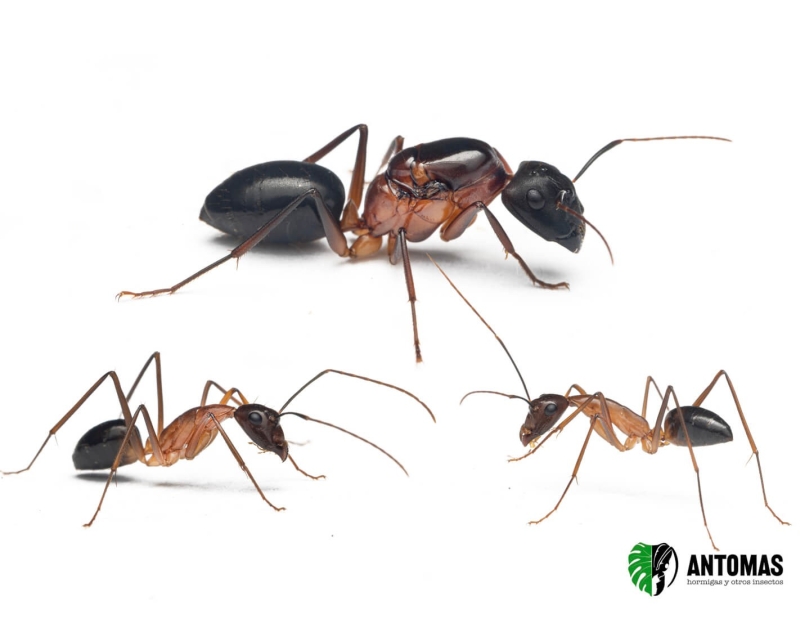
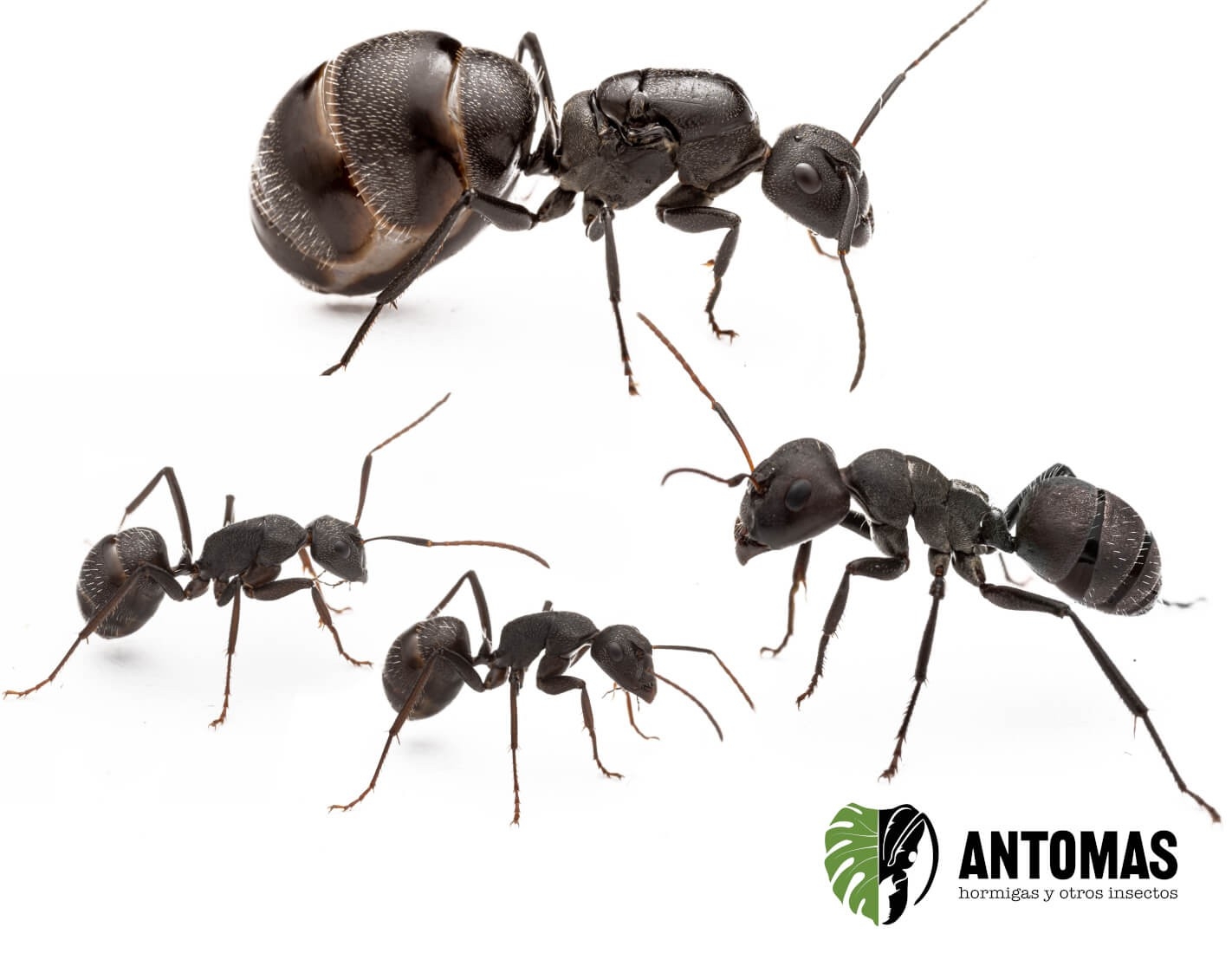
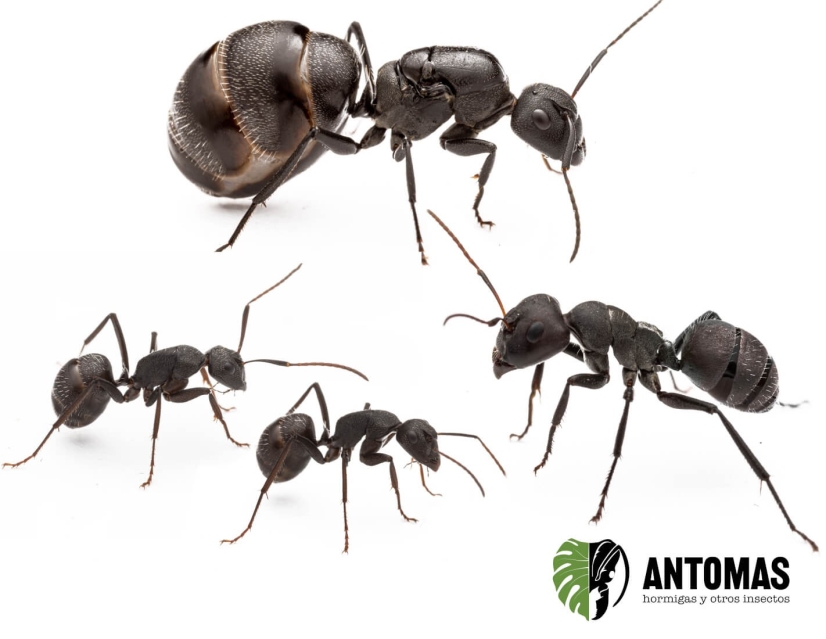
The identification as C. mayri should retain the cf., since within Orthonotomyrmex there are several African species that are quite similar to one another and their separation depends on fine details of propodeal sculpture, petiole shape and mesosoma constriction. The photograph of the line maintained by Antomas clearly shows the general appearance of the group, but not all these characters can be assessed with sufficient precision.

The true Camponotus mayri is documented in different environments of sub-Saharan Africa, especially savanna, grasslands, open scrub and sparse woodland. Specimens identified as this species have been recorded from acacia formations, miombo woodland, Euclea scrub and open areas with dry soils, from practically sea level to localities situated above 1,500 metres.

Colonies have also been found directly in the soil and under stones, so the name “carpenter ant” should not be interpreted as implying an obligatory dependence on wood. Some Orthonotomyrmex can use branches and plant cavities, but others nest perfectly well in soil. In this respect, this is a fairly opportunistic group.

There is even a record of C. mayri collected from a decomposing animal carcass, a small detail that fits well with the opportunistic nature of Camponotus: sugary liquids mainly sustain the adults, but any accessible animal source can become protein for the brood.

In captivity they behave like a relatively straightforward tropical Camponotus, readily accepting nectar, insects and different types of nests. They do not require specialised setups, which is why we place them at difficulty 2/5 – Beginner.

The hunched posture

One of the most curious features of this line is the way it walks.

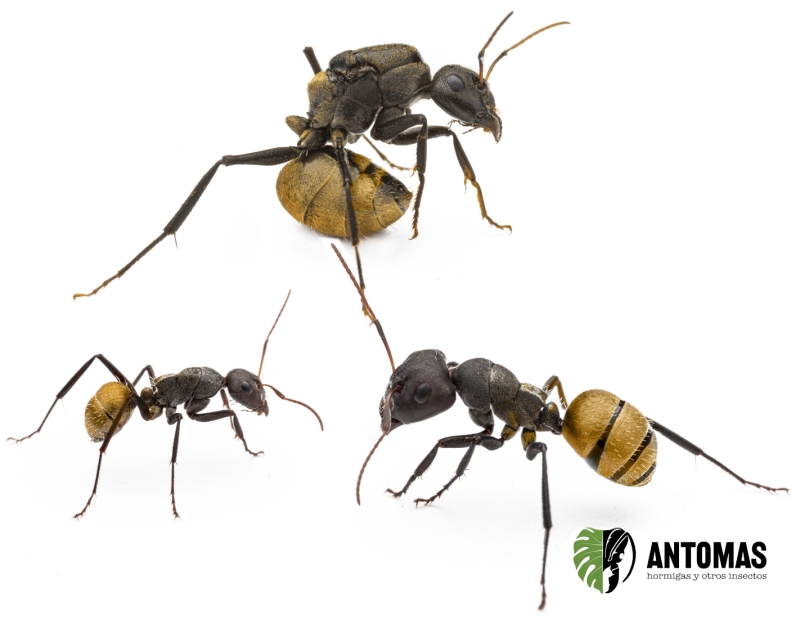
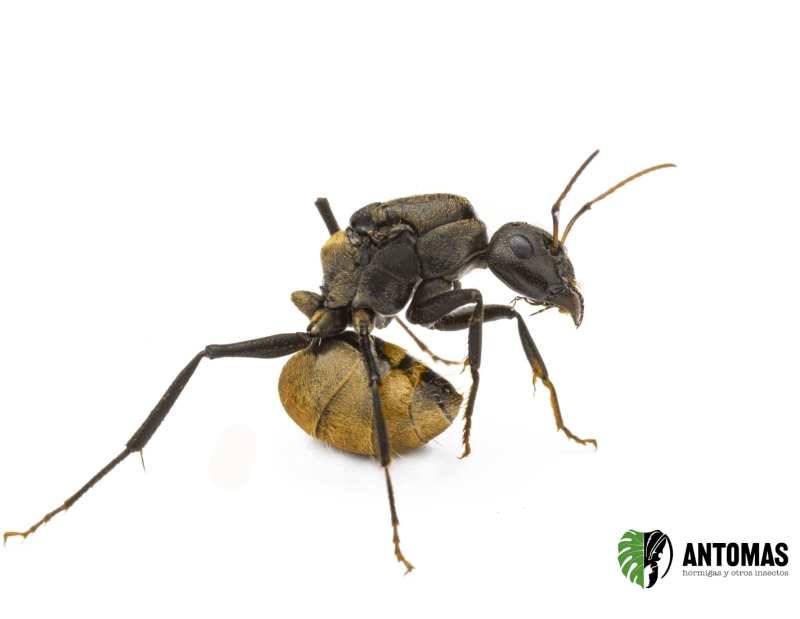
When moving quickly, the workers raise the gaster and arch the body, producing a very distinctive silhouette. This posture is especially noticeable in the larger workers and is one of the easiest behavioural traits to recognise in the colony.

It is not a defensive display in the strict sense, although the posture becomes more pronounced when the ants are alert or moving rapidly through the foraging area.

The shape of the mesosoma in Orthonotomyrmex, together with the relatively high insertion of the petiole and the way the gaster is carried, contributes greatly to this characteristic appearance.

Activity and temperament

They are active ants, but not especially nervous when the colony is kept under stable conditions.

Workers explore the foraging area individually and quickly locate sources of carbohydrates and protein.

When disturbed, activity increases and the larger workers tend to approach the source of the disturbance, although their defensive behaviour is generally more manageable than that of genuinely aggressive genera.

As the colony grows, the presence of majors becomes increasingly obvious and gives the group a very striking appearance.

Colony and development

Like other Camponotus, development is relatively slow compared with smaller, more opportunistic ants.

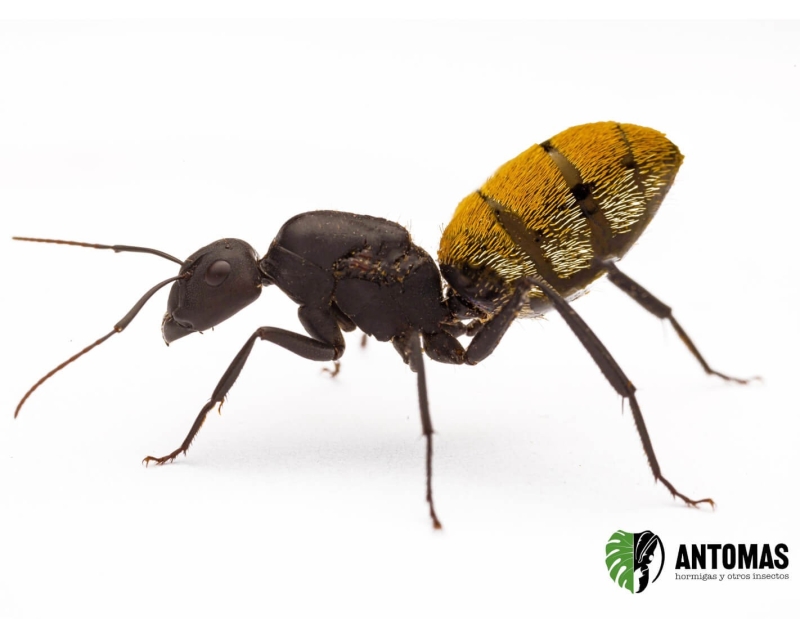
The entire body is covered with abundant golden or yellowish setae, much more visible on the gaster and legs. In majors, the combination of a large head, matte cuticle and abundant pilosity gives them a very robust appearance.

The antennae are geniculate, with a long scape, and the eyes are relatively large and located laterally on the head.

The mesosoma has the characteristic angular profile of Orthonotomyrmex, with a clear metanotal depression before the propodeum. The petiole forms a relatively high and well-defined node.

The gaster is oval and voluminous, especially in the queen, and may show a subtle golden sheen due to the pubescence covering the tergites.

Workers

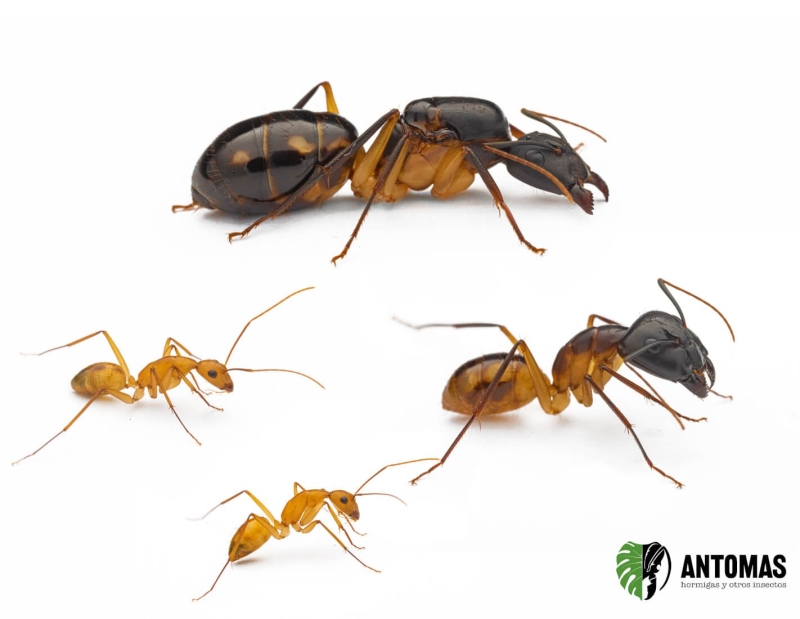
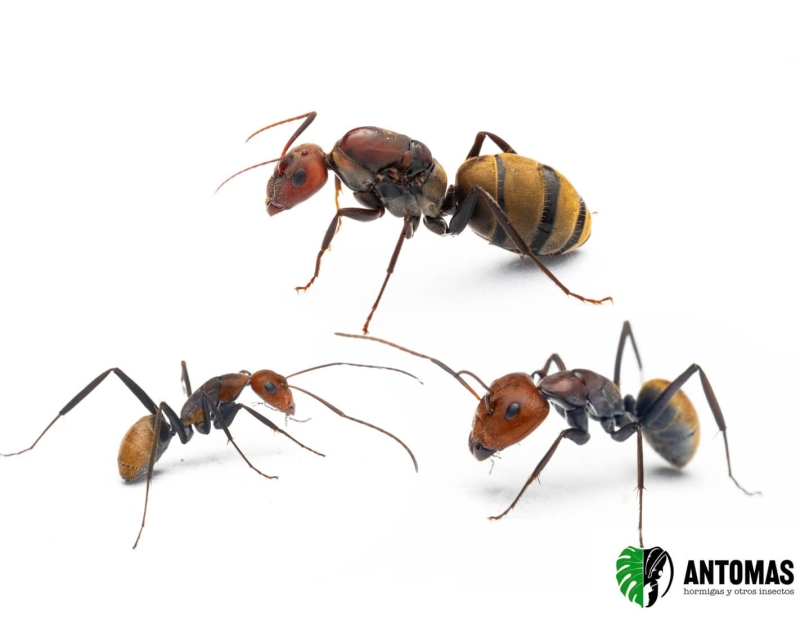
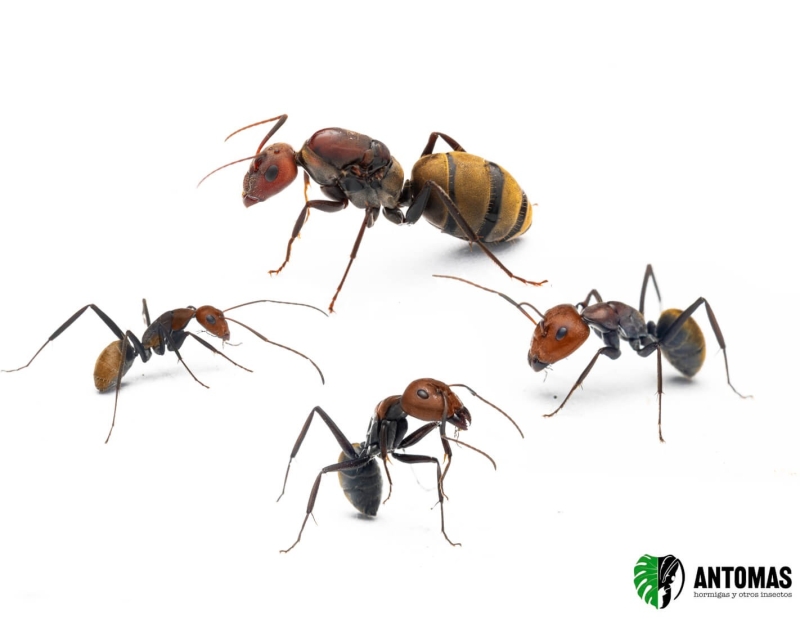
Workers show marked size variation, from small minors to robust majors with a much broader head.

The transition between these forms is gradual, so there is no completely separate soldier caste.

Majors have proportionally more powerful mandibles and a markedly wider head, while minors are more slender and perform much of the exploration and routine work.

Queen

The queen is clearly larger and more robust than most workers, with a strongly developed mesosoma associated with the former flight musculature.

CAPTIVE CARE

Difficulty: 2/5 – Beginner

It is a hardy and adaptable Camponotus, suitable for keepers who already understand the basic care of a queen or a small colony but do not want a particularly delicate species.

The main points are to avoid permanently waterlogged nests, provide a warm area without overheating the entire setup, offer carbohydrates continuously and supply protein according to the amount of brood.

Temperature

During the active period, a range of approximately 24–28 °C works well.

A local warm point can reach around 28–30 °C, provided the rest of the nest remains cooler so the colony can choose.

It is preferable not to heat the entire nest uniformly. A thermal gradient allows workers to move eggs, larvae and pupae according to their developmental needs.

At room temperatures around 21–23 °C, the colony can remain active, although development will usually be slower.

Humidity

Temperature

During the active period, a range of approximately 24–28 °C is suitable.

A localised warm point of 27–29 °C can accelerate brood development, provided the rest of the nest remains cooler.

It is preferable to heat only one part of the nest rather than maintaining the entire setup at the same temperature.

This allows the workers to move eggs, larvae and pupae according to their needs.

Humidity and ventilation

The brood area should remain slightly humid, while the pupal area can be somewhat drier and better ventilated.

The foraging area should be kept dry or only slightly humid.

Good ventilation helps prevent condensation and reduces the risk of mould and accumulation of organic waste.

Foundation

The brood requires protein:

  • fruit flies;
  • small cockroaches;
  • crickets;
  • flies;
  • moths;
  • pieces of larger insects.

As in other Camponotus, protein consumption increases when there are many larvae and decreases when the colony has little brood.

Freshly killed insects are perfectly suitable and make feeding easier, especially in small colonies.

Clean water should always be available independently of sugary liquids.

Seasonal rest

This line does not require a cold diapause.

However, a slight seasonal slowdown may occur if room temperature drops during winter.

It is not necessary to force this rest by placing the colony at very low temperatures.

Maintaining approximately 20–22 °C during the coolest period is sufficient if a seasonal reduction is desired.

Behaviour in captivity

It is a very interesting species to observe because of its characteristic posture and the clear differences between worker sizes.

The minors perform much of the exploration and routine work, while the larger workers become increasingly visible as the colony grows.

They are usually calm under stable conditions, although disturbance can rapidly increase activity in the foraging area.

They readily exploit both liquid carbohydrate sources and insect prey.

The colony should always have enough space to forage, but an excessively large setup is unnecessary while it remains small.

Handling and safety

As a member of the Formicinae, Camponotus cf. mayri lacks a functional sting.

Workers can defend themselves with their mandibles and by releasing formic acid through the acidopore.

Direct handling is therefore not recommended, especially with larger workers, although this species is considerably easier to manage than ants equipped with a powerful sting.

Handling and safety

It is not an especially aggressive species, but direct handling should still be avoided.

Majors have strong mandibles and can bite if restrained or trapped.

As a formicine ant, it has no functional sting, although it can release formic acid through the acidopore as a defensive mechanism.

A good anti-escape barrier, secure connections between modules and the use of tweezers for maintenance are sufficient for safe routine care.

Dificultad
Novice
No reviews

9 other products in the same category: