Stigmatomma reclinatun - Hormiga Vampiro

Stigmatomma reclinatun - Hormiga Vampiro

€299.00
VAT included
Colony


Stigmatomma reclinatum

Biology

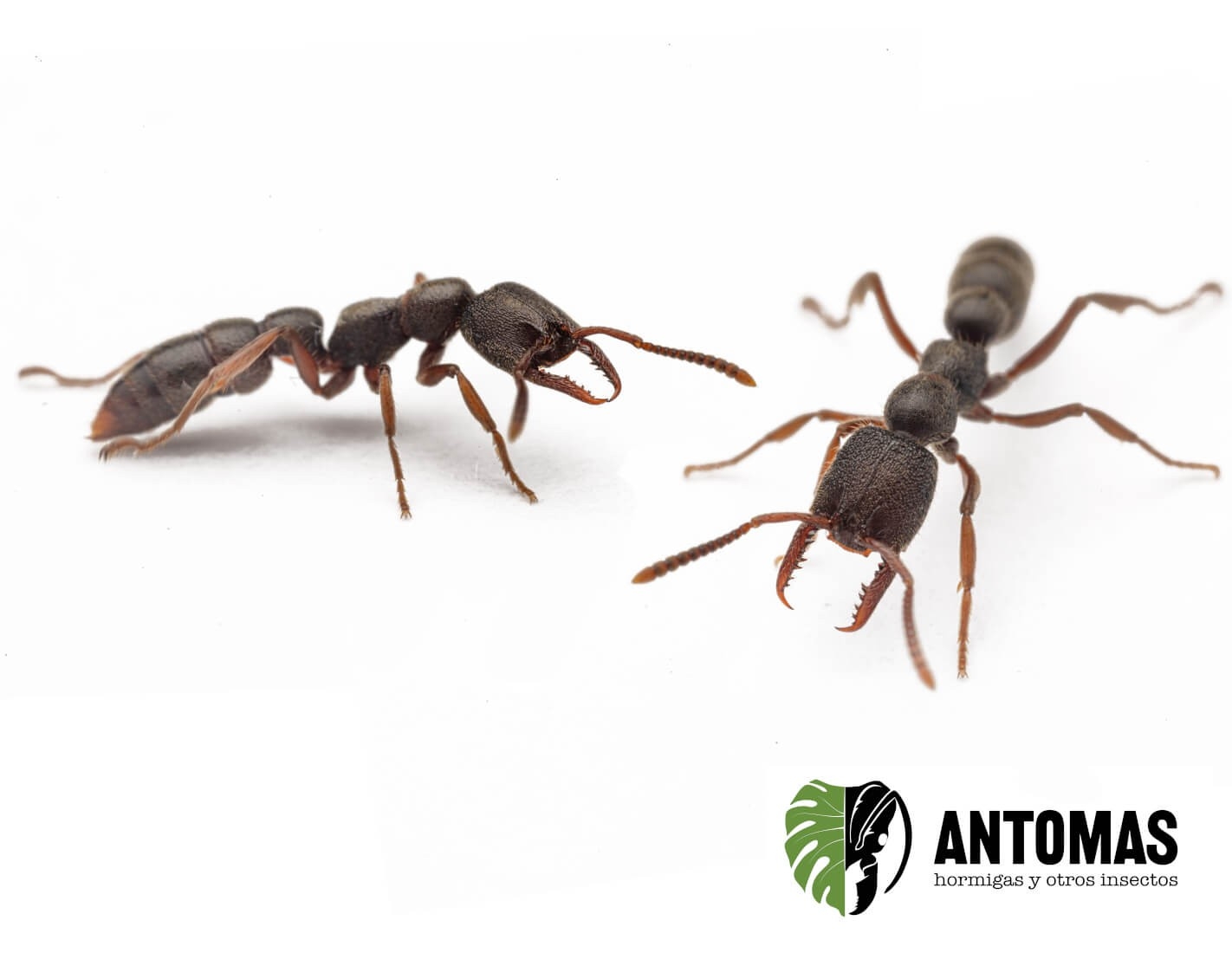
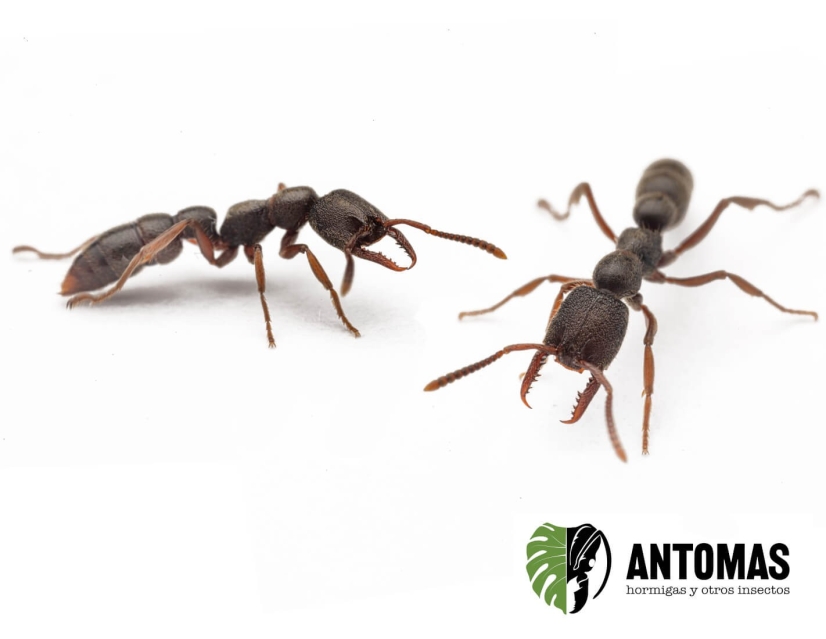
Ants of the genus Stigmatomma are highly specialized predators, mainly focused on capturing myriapods and other soft-bodied arthropods. They use their long serrated mandibles to firmly grasp their prey, maintaining their grip until the victim is completely subdued. They possess a very powerful venom, capable of neutralizing prey considerably larger than themselves.

The common name “vampire ant” comes from a particularly unique behavior: workers make small incisions in the tegument of their own larvae in order to feed on the exuding hemolymph, without causing significant harm or compromising larval development.

The colonies are generally small, ranging from a few dozen to slightly more than one hundred individuals. They exhibit slow growth and, in some species, gamergates (workers with reproductive capacity) may exist, adding complexity to their social organization.

Size and Morphology

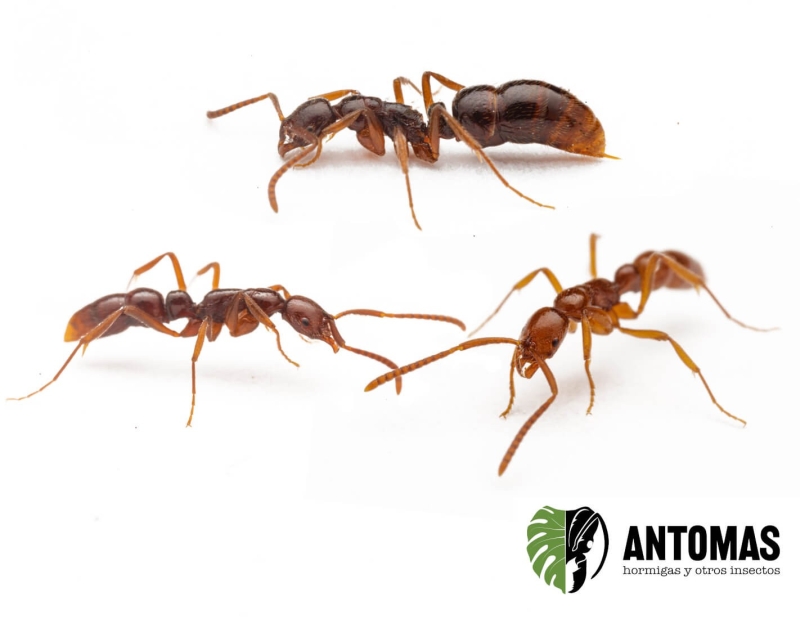
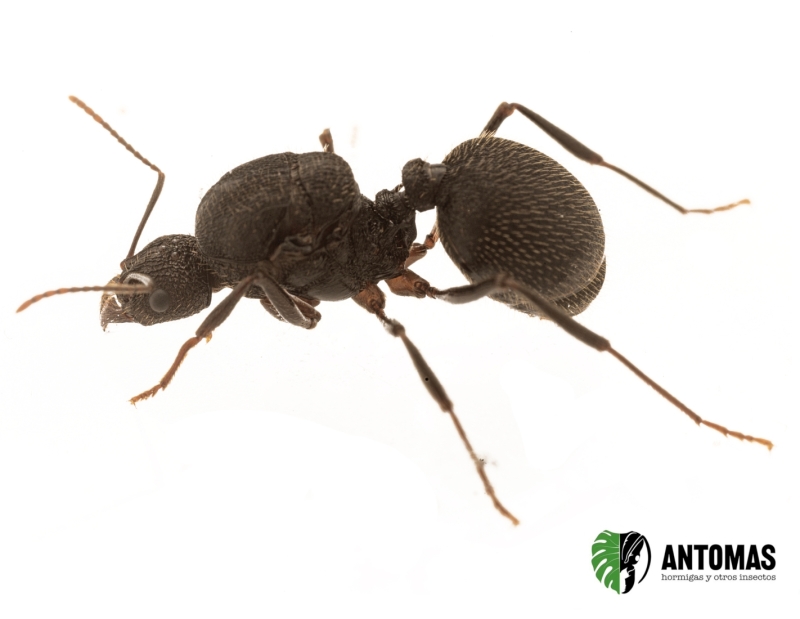
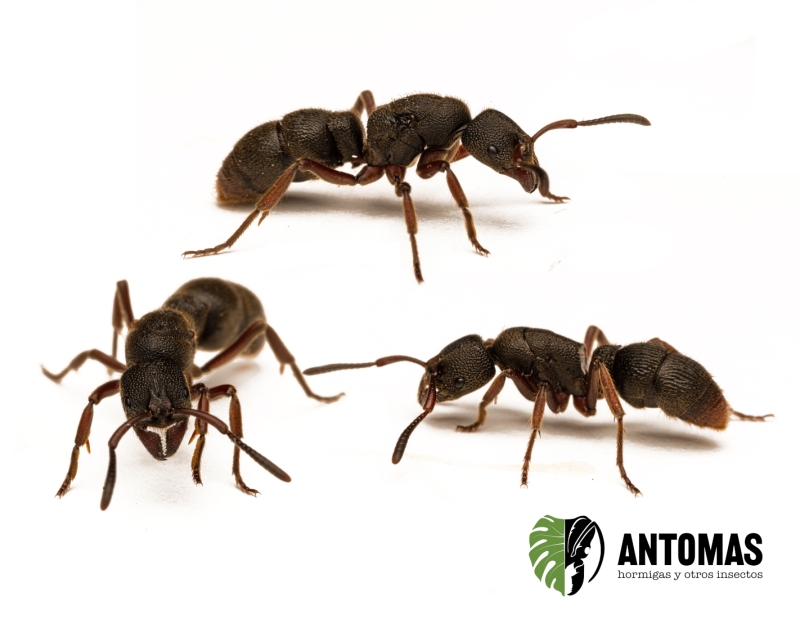
Vampire ants display a primitive and cryptic morphology, clearly adapted to subterranean life. They are characterized by their elongated head, highly reduced or nearly absent eyes, and mandibles equipped with sharp teeth used to hold prey with remarkable efficiency.

  • Size: 6–8 mm

Captive Care

They require stable environmental conditions, with high and constant humidity. The use of natural or semi-natural nests is essential, preferably with substrate (clay sand or coconut fiber), allowing the recreation of a subterranean environment.

  • Temperature: 23–27 °C
  • Humidity: 70–90 %

Feeding represents one of the most critical aspects of their care. They are highly specialized predators and therefore require very specific prey, mainly soft-bodied arthropods. In some cases, they reject dead prey, making it necessary to offer live food in order to stimulate their natural behavior. They usually pay little attention to sugary liquids or nectars, although it is advisable to offer them a small drop occasionally (once per week).

It is recommended to always handle them using entomological tools, avoiding direct contact with the hands.

Unlike many other ants, Stigmatomma has a very limited ability to climb smooth surfaces.

No reviews

16 other products in the same category: