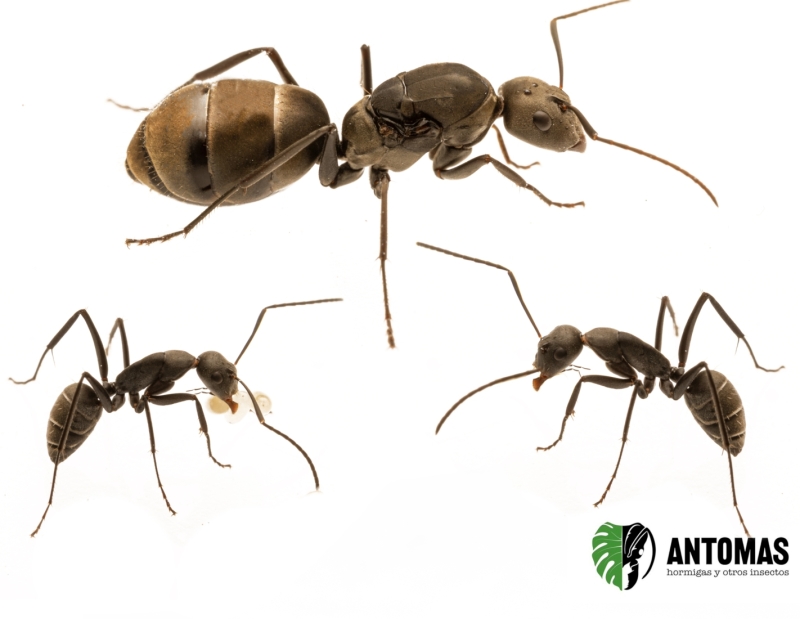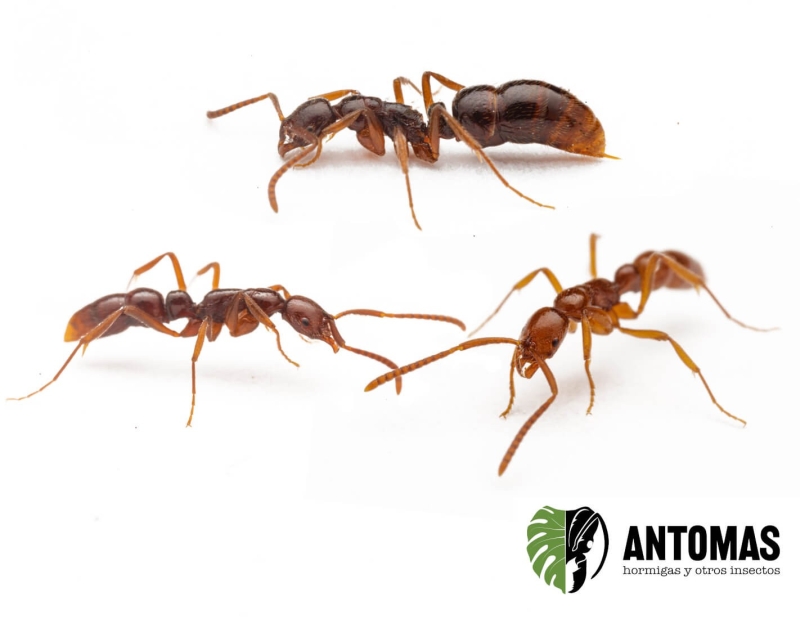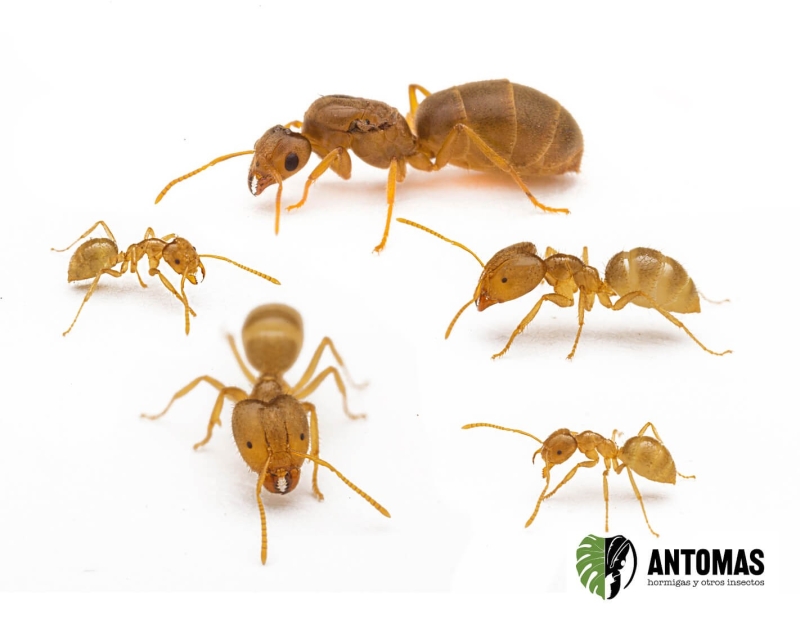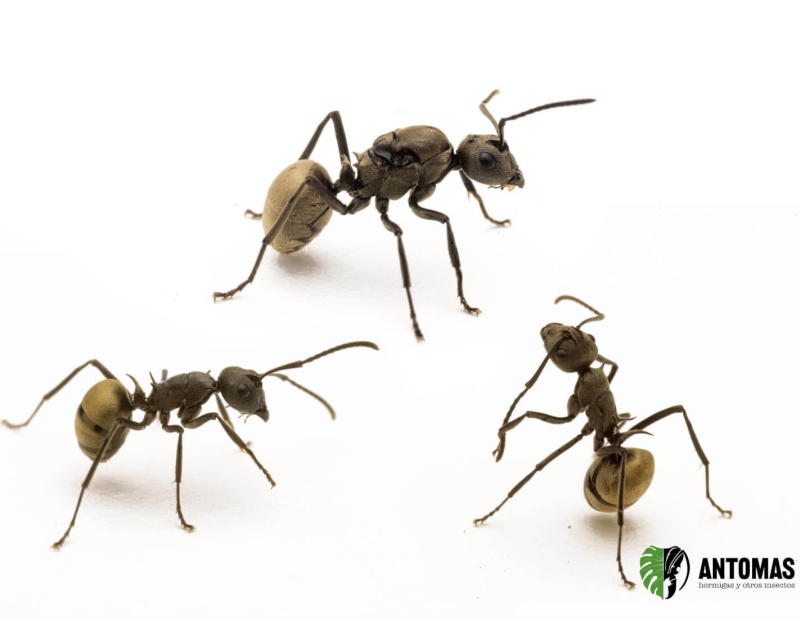
Carebara diversa - Hormiga Tanque

Carebara diversa - Hormiga Tanque

€89.99
VAT included
Colony


Carebara diversa

Biology

Carebara diversa is one of the few legionary ant species that can be kept in captivity. It is an extremely aggressive and highly predatory species, capable of organizing massive attacks against a wide variety of prey.

It is a typically polygynous species, capable of housing up to 17 queens per nest. In the wild, its colonies can exceed several million individuals, although the exact number has not yet been determined with precision. These enormous colonies move constantly through the tropical rainforest, carrying out periodic relocations similar to those of large army ants.

Monogynous colonies also exist in nature, and they can reach equally impressive sizes, easily surpassing 100,000 workers.

They are active hunters of live insects of all sizes. Once the colony reaches a considerable size, they readily accept dead prey and animal protein remains, displaying highly efficient opportunistic feeding behavior.

Watch the glorious berserkers of the tank empire in action;

Size and Morphology

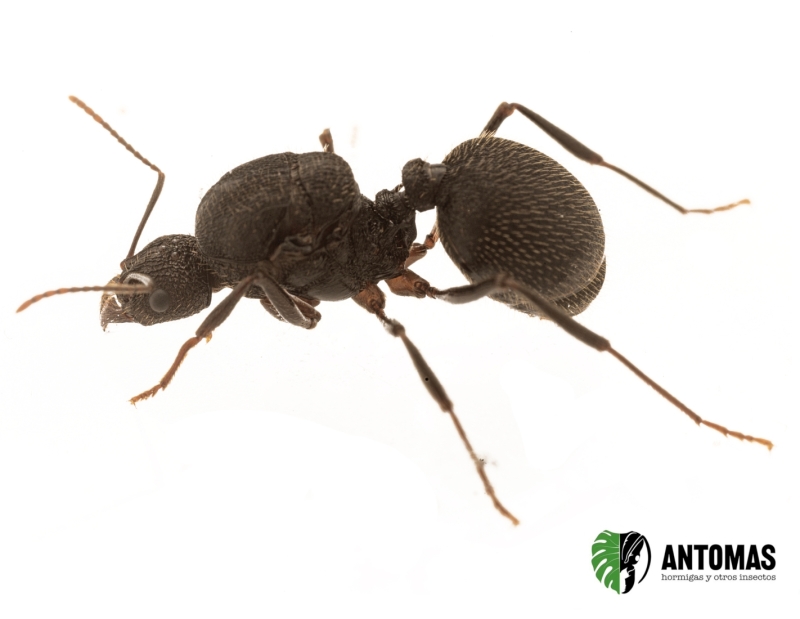
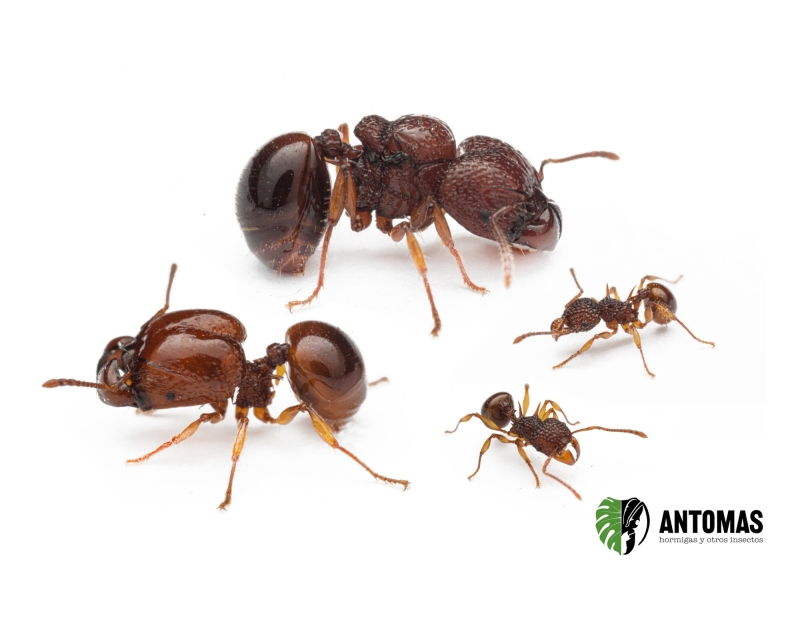
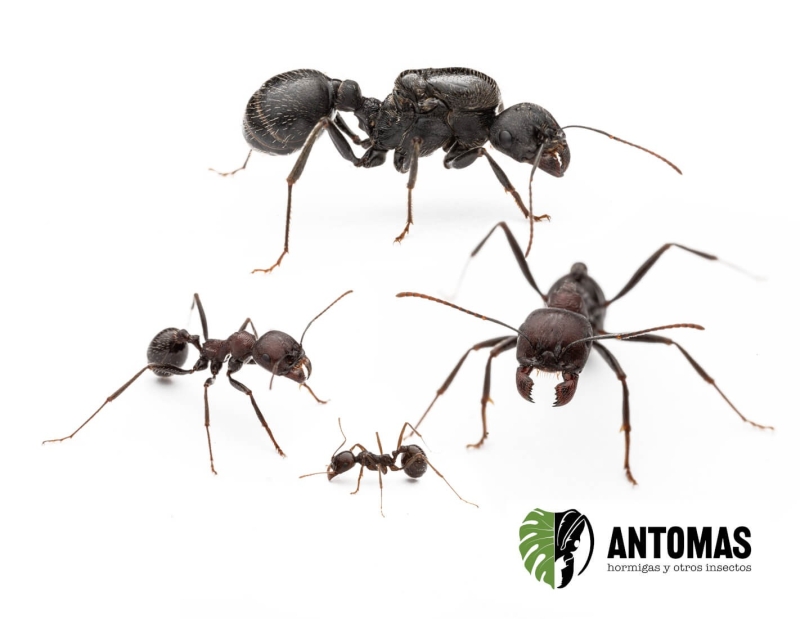
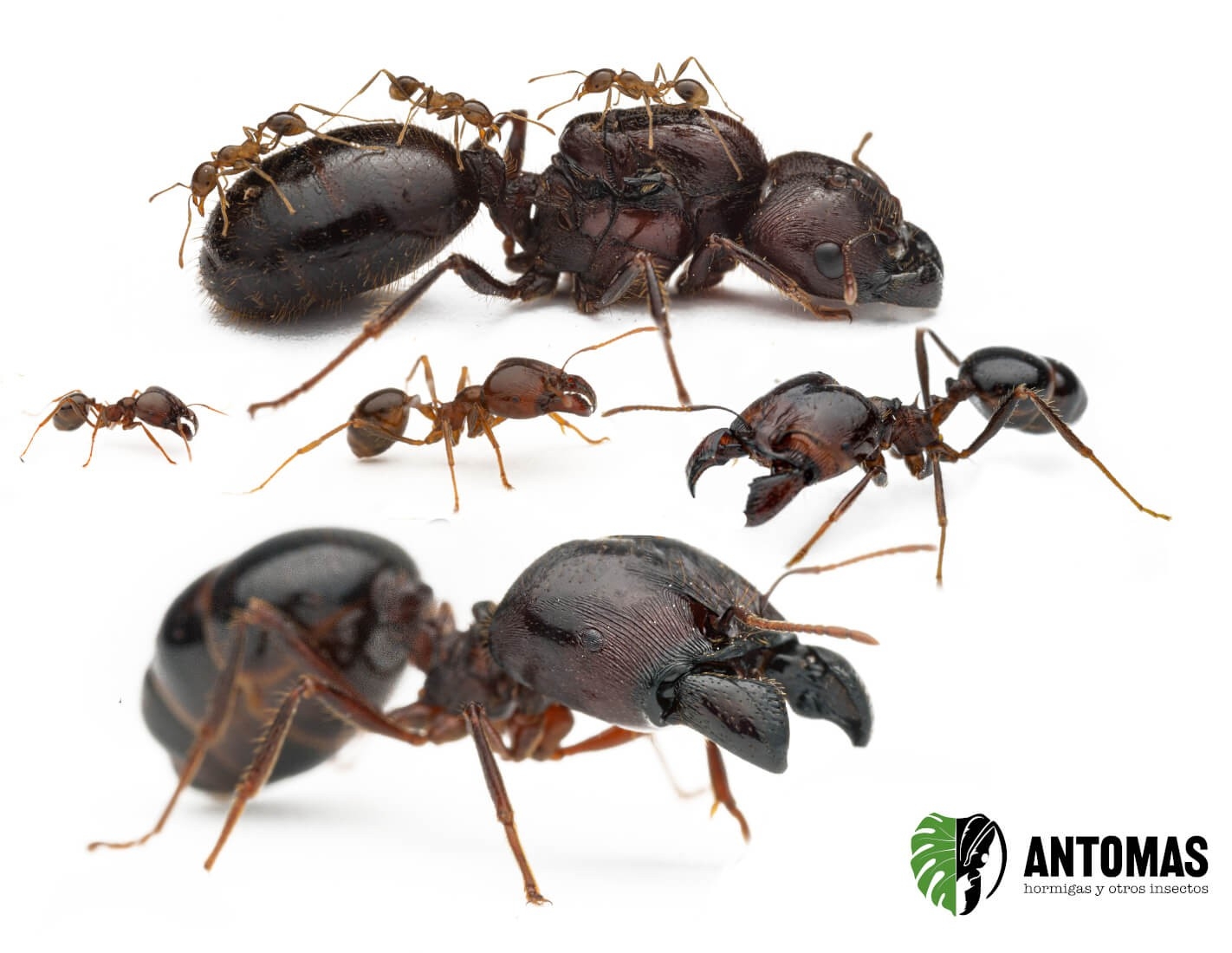
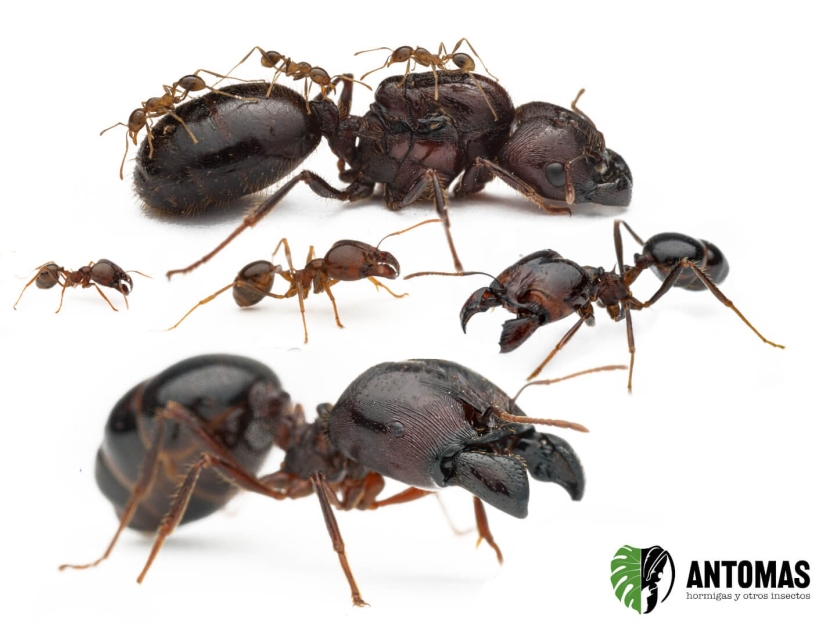
Carebara diversa is one of the few ant species that possesses true supersoldiers, commonly known as “berserkers”. These supersoldiers can become up to 500 times heavier than minor workers. Their powerful mandibles are capable of exerting enough pressure to cut human skin, giving a clear idea of their strength.

The colony exhibits extreme polymorphism, with several clearly differentiated castes:

Discover more about their castes;

  • Queens: 18–22 mm
  • Workers: 1.5–3 mm
  • Majors (levels 1–5): 4–15 mm
  • Supersoldiers / Supermajors (“berserkers”): 17–20 mm

Captive Care

This is a demanding species, recommended only for experienced keepers with sufficient space.

Environmental Parameters

  • Annual temperature: 24–28 °C
  • Humidity: 60–80 %

Environmental stability is essential for the proper development of the colony.

Mortality and Development

Worker mortality is constant due to the colony’s activity rhythm. Therefore, it is essential that brood production remains high and continuous, ensuring population balance.

Feeding

Carebara diversa is an omnivorous species with an extremely versatile diet adapted to large and highly active colonies.

The basis of their diet should consist of insects, preferably in large quantities and on a daily basis, as their protein consumption is extremely high. They accept both live and dead prey, especially when the colony reaches a considerable size.

In addition to animal protein, they also consume seeds, which are especially recommended for large colonies or in situations where insects cannot be supplied for several days. It is not a problem if some seeds germinate inside the nest, as this species is highly organized and capable of removing any element once it begins to become inconvenient.

It is essential that the colony has permanent access to water, as this species is highly dependent on both environmental and direct humidity.

Sugary liquids and nectars do not constitute the basis of their diet, and it is not recommended to offer them ad libitum. They should only be supplied occasionally, with small quantities offered once or twice per month if considered necessary.

Nest Type

  • Large modular nests
  • Natural materials recommended
  • Excellent ventilation and expansion capacity
  • Large foraging areas are mandatory

Species with a powerful bite.

Both workers and major castes can bite intensely. Although it is not medically serious, the bite is painful and unpleasant, especially during handling. Direct contact with the hands is not recommended.

No reviews

16 other products in the same category: