Diacamma scalpratum - Hormiga Gladiadora GiGANTE

Diacamma scalpratum - Hormiga Gladiadora GiGANTE

Last items in stock
€129.99
VAT included
Colony


Diacamma scalpratum

Biology

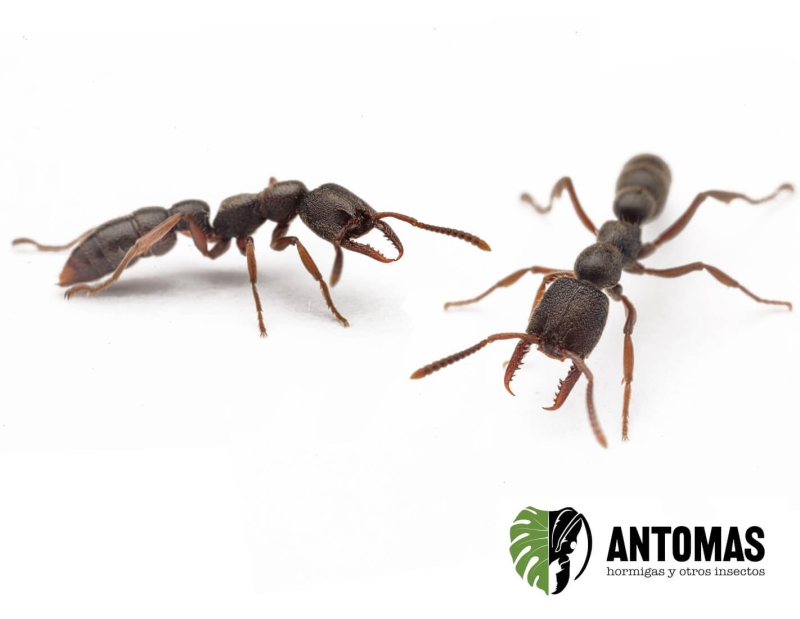
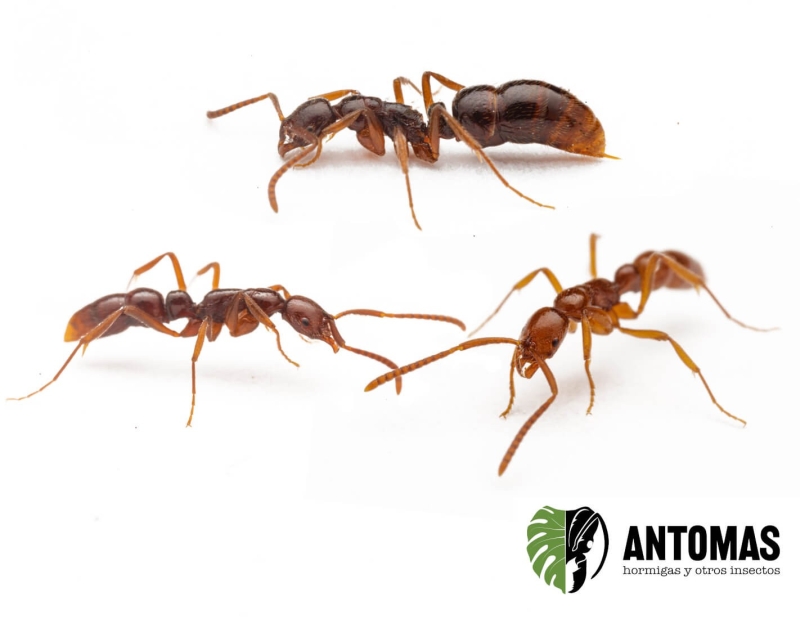
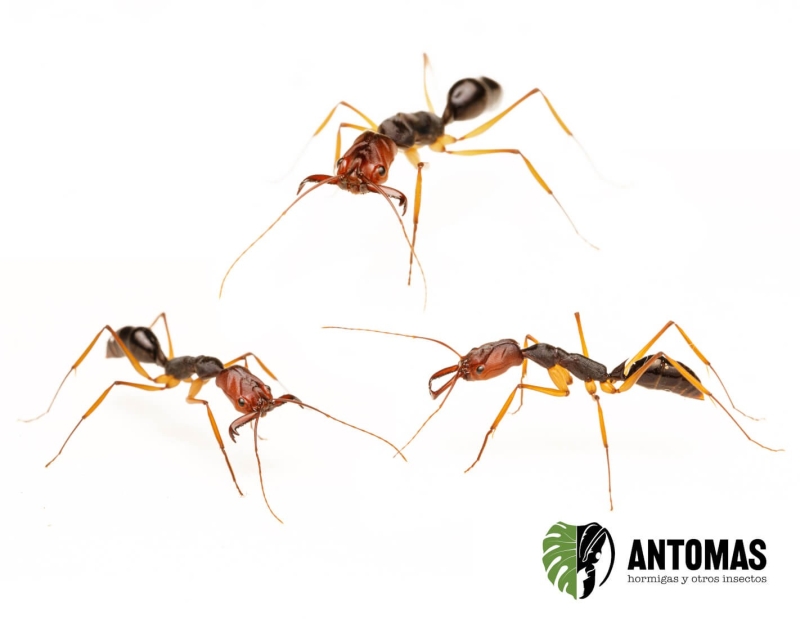
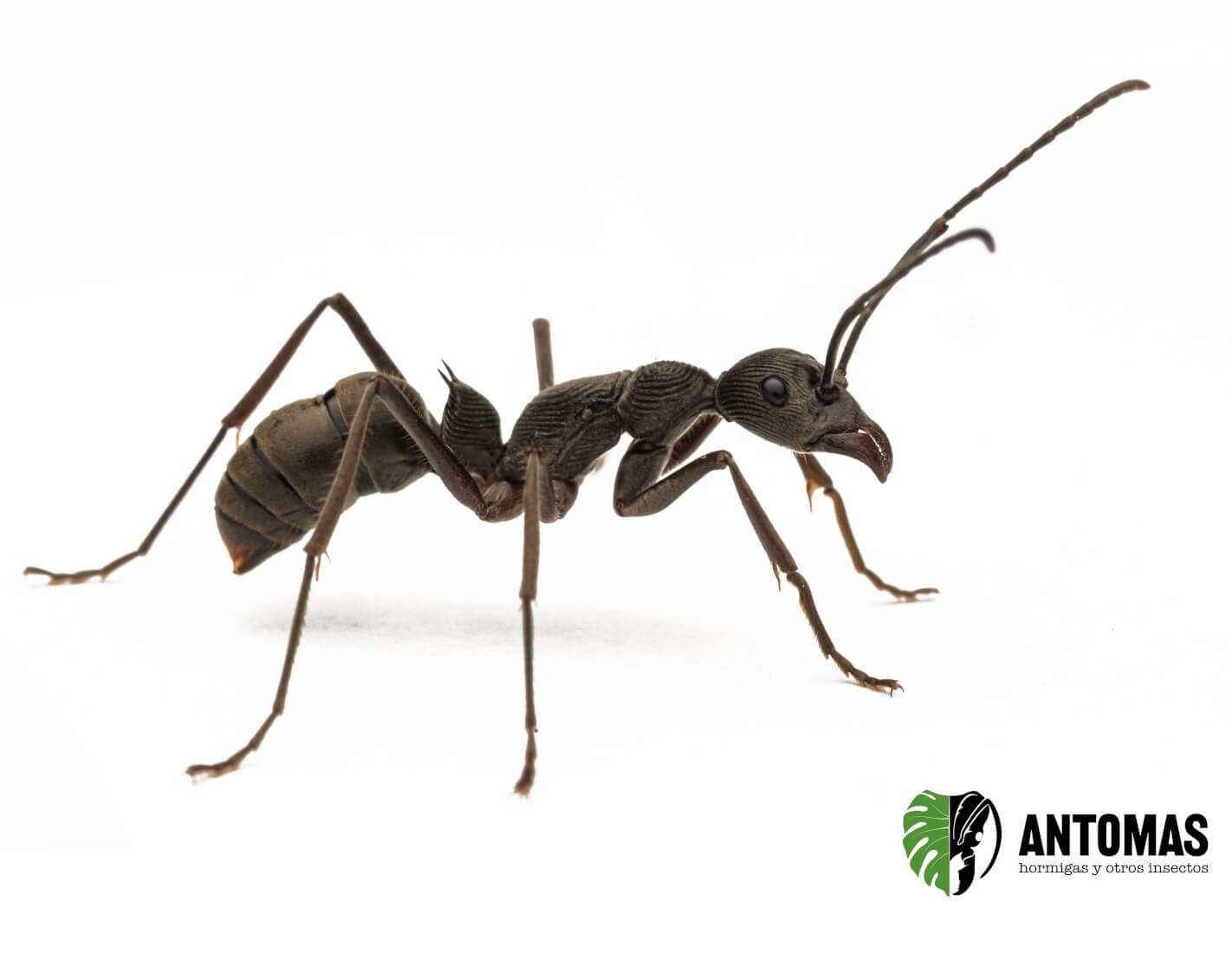
Diacamma scalpratum is an impressive large ant species, famous for using its sharp stinger in a sword-like manner to pierce its opponents, especially during defensive confrontations with smaller ants. This characteristic behavior has earned it the common name of the gladiator ant.

It is an active and extremely voracious predator, displaying marked aggressiveness toward all kinds of arthropods. It possesses venom, which it injects into its prey to immobilize them and facilitate transport back to the nest. In addition, it stands out for its extraordinary strength, being capable of overpowering prey larger than itself and moving surprisingly heavy objects.

Its colonies are relatively small, with approximately 100 to 200 workers. The social structure of this species is especially unique, as it lacks a queen caste. Instead, a worker assumes the reproductive role; this fertile worker is known as a gamergate.

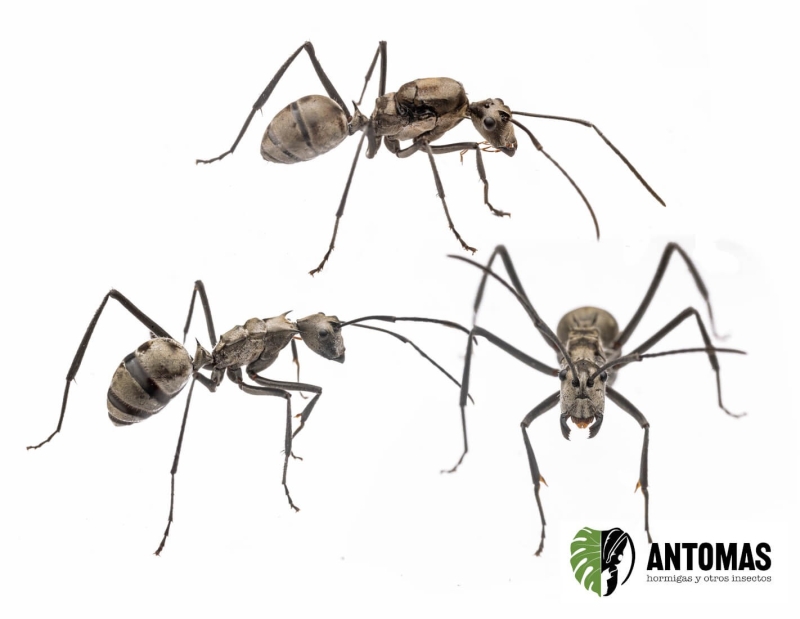
The gamergate is distinguished by a morphological characteristic called the gemma, consisting of a pair of small thoracic structures colored yellow, orange, or red. These can be observed with magnification or even with the naked eye when viewed from the proper angle and with sufficient experience.

All workers are initially born with this gemma, but the fertilized gamergate removes it shortly after birth in order to maintain the reproductive and hierarchical stability of the colony. The removal of the gemma prevents workers from mating, although they may still lay unfertilized eggs that develop into males.

Swords in action;

Size and Morphology

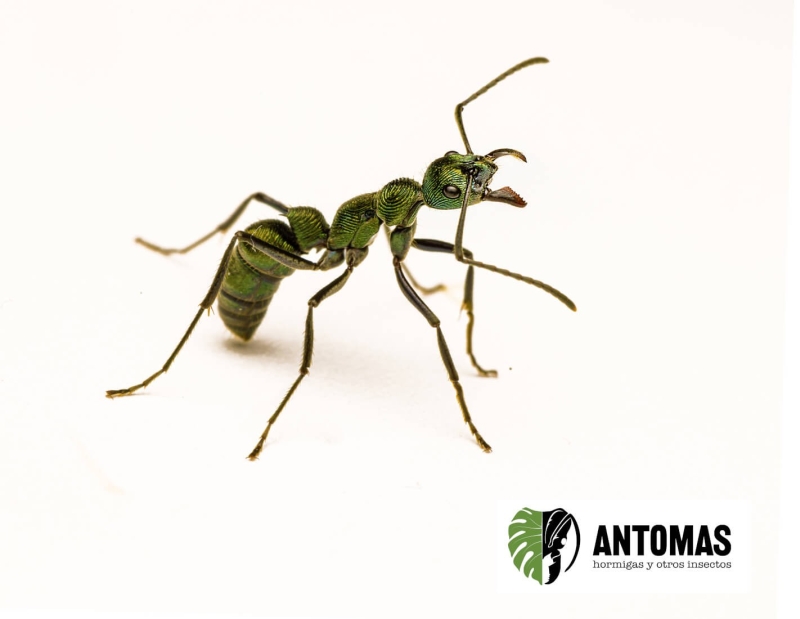
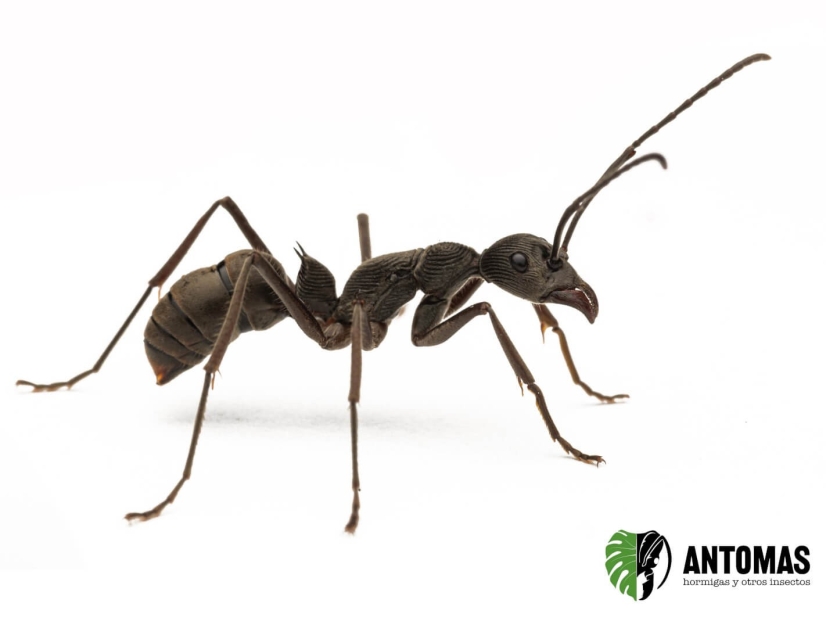
Diacamma scalpratum is a true colossus within its genus, with workers reaching lengths of 18 to 20 mm. It possesses very long legs, giving it an elegant and powerful appearance while moving. Its chitinous exoskeleton is especially hard and resistant, comparable to the armor of a medieval warrior.

  • Worker size: 18–20 mm

Captive Care

For successful captive care, humid nests made from natural materials are recommended. The optimal parameters are:

  • Temperature: 23–26 °C
  • Humidity: 60–80 %

The diet should be based mainly on insects, both live and dead (crickets, cockroaches, larvae, mealworms, etc.). They also readily accept sugary liquids and nectars. Feeding is recommended every 2 days.

Species requiring delicate handling.

It is recommended to always handle them using tweezers and gloves, avoiding direct contact with the hands, as they can sting and use their stinger defensively.

No reviews

16 other products in the same category: