Camponotus singularis - Hormiga Gigante Singular

Camponotus singularis - Hormiga Gigante Singular

Out-of-Stock
€89.99
VAT included


Camponotus singularis

Biology and Ecology

Camponotus singularis es una de las especies de mayor tamaño dentro del género Camponotus. Incluidas en el grupo Myrmosaulus conocido comúnmente como las “Monster-Head Camponotus”, debido al extraordinario desarrollo de la cabeza en sus castas mayores. Su aspecto robusto y la presencia de majors de dimensiones excepcionales la convierten en una especie especialmente llamativa desde el punto de vista morfológico y funcional.

The colonies are strictly monogynous, being led by a single functional queen. It mainly inhabits tropical regions with dense vegetation, occupying humid and shaded environments. Nests are frequently located beneath fallen logs, inside dead wood in contact with the ground, or within natural cavities protected by leaf litter, providing thermal stability and protection against desiccation.

Unlike many species of the genus that prefer relatively dry nest interiors, C. singularis shows a greater tolerance for areas with moderate internal humidity, although it avoids excessively water-saturated conditions. This preference appears to be related to its distribution in tropical regions with high environmental humidity.

Its colonies do not reach extremely large sizes compared to other more prolific Camponotus species; however, among the Asian Myrmosaulus, it appears to behave as a locally dominant species. Its large body size, combined with defensive aggressiveness, allows it to dominate other competing ants in the immediate surroundings of the nest.

It displays primarily nocturnal or crepuscular foraging activity, reducing exposure to high temperatures and diurnal predators. Under normal conditions it remains relatively calm and inactive during the day, but when the nest is directly disturbed it responds with intense and coordinated defense, expelling intruders through biting and the spraying of formic acid.

Formic acid constitutes its main chemical defense mechanism. In this species, as in other Camponotus, it is associated with a characteristic odor perceptible to humans, vaguely reminiscent of citrus compounds. This acid is effective as a repellent against enemy arthropods and may cause irritation upon contact with mucous membranes or wounds, although it does not represent a serious risk to humans under normal conditions.

Size and Morphology

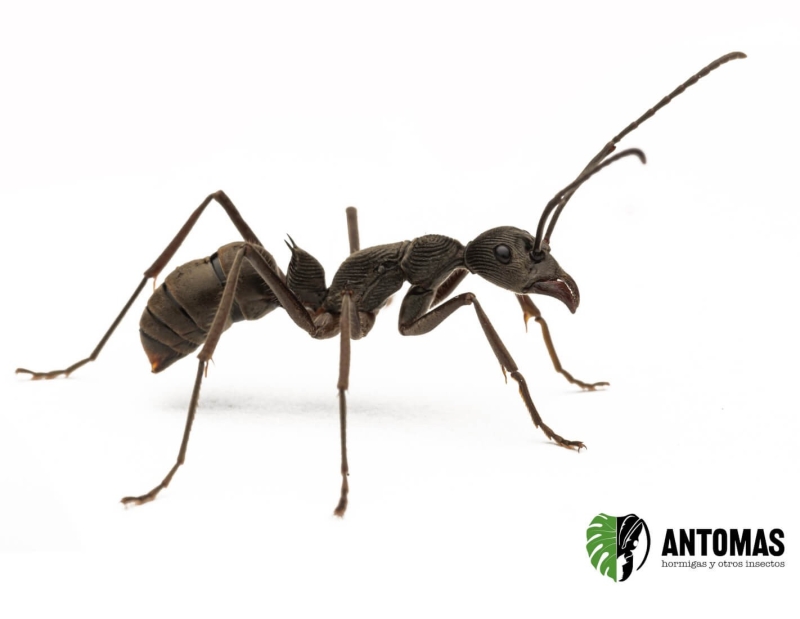
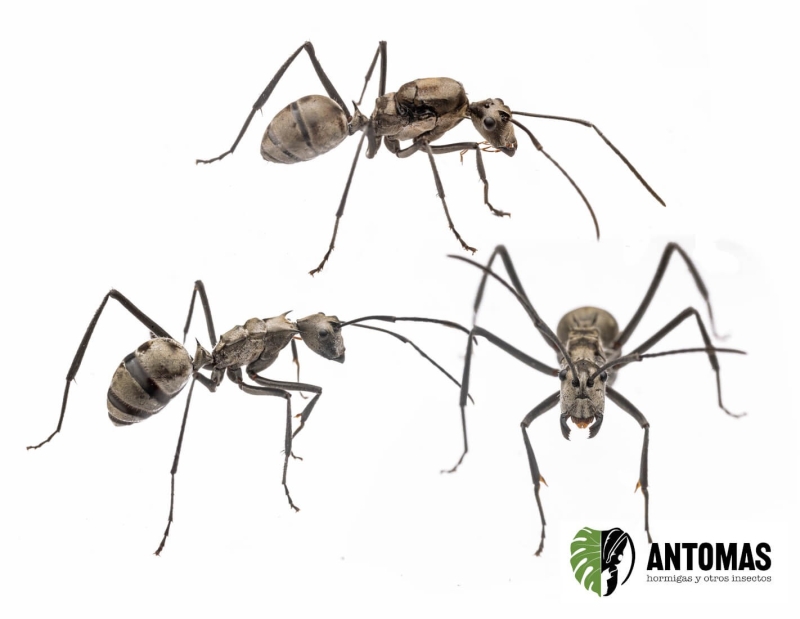
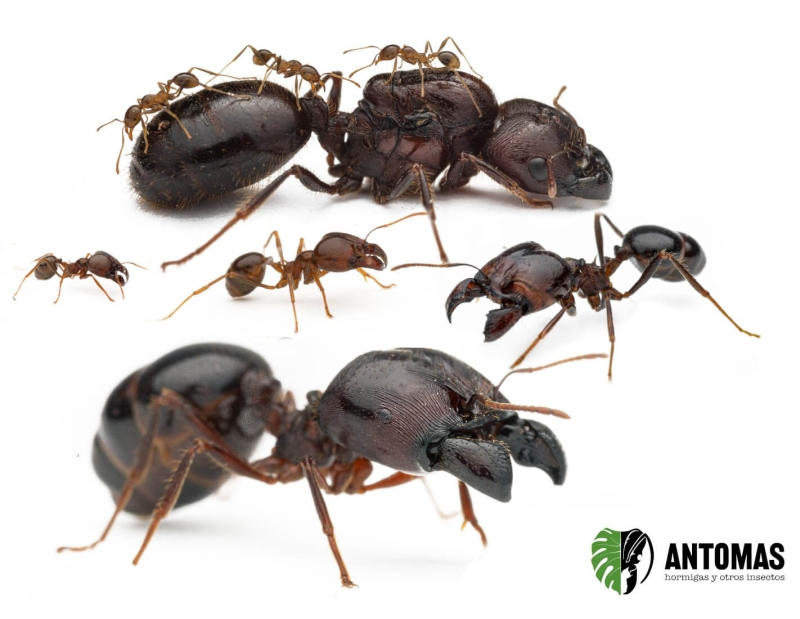
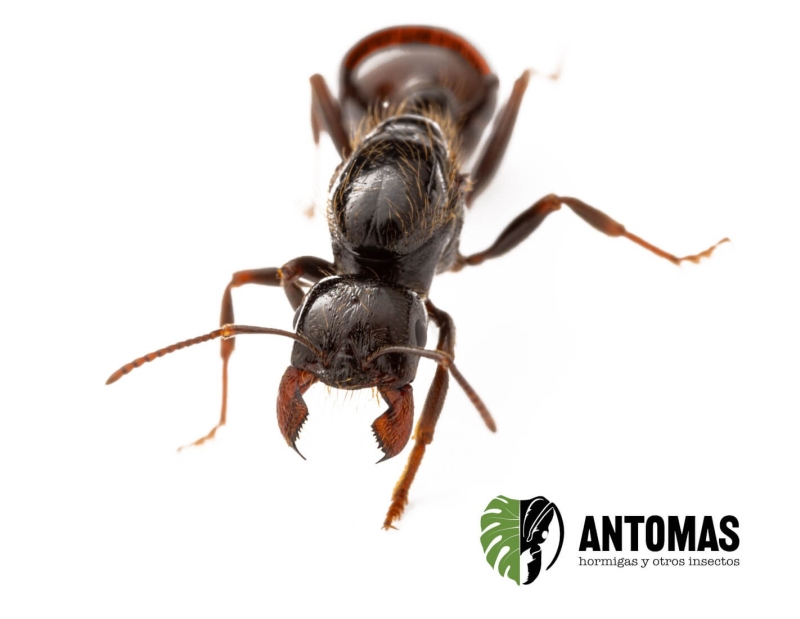
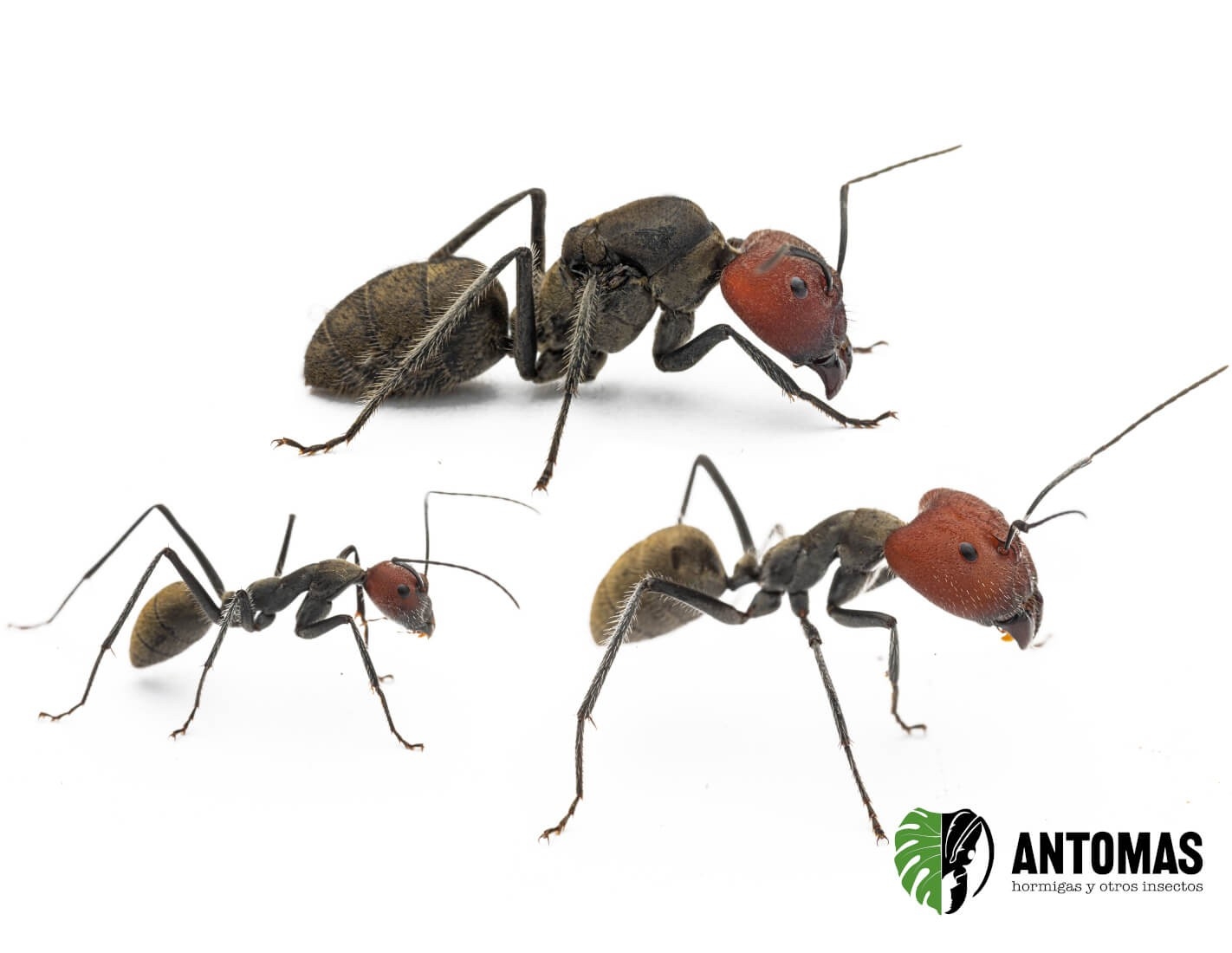
Camponotus singularis is an ant of exceptional dimensions, ranking among the largest Camponotus species maintained in captivity. It exhibits pronounced polymorphism, with a clear gradation between minor workers, media workers, and soldiers (majors), the latter possessing highly developed heads and powerful mandibles adapted for defense and the handling of large prey.

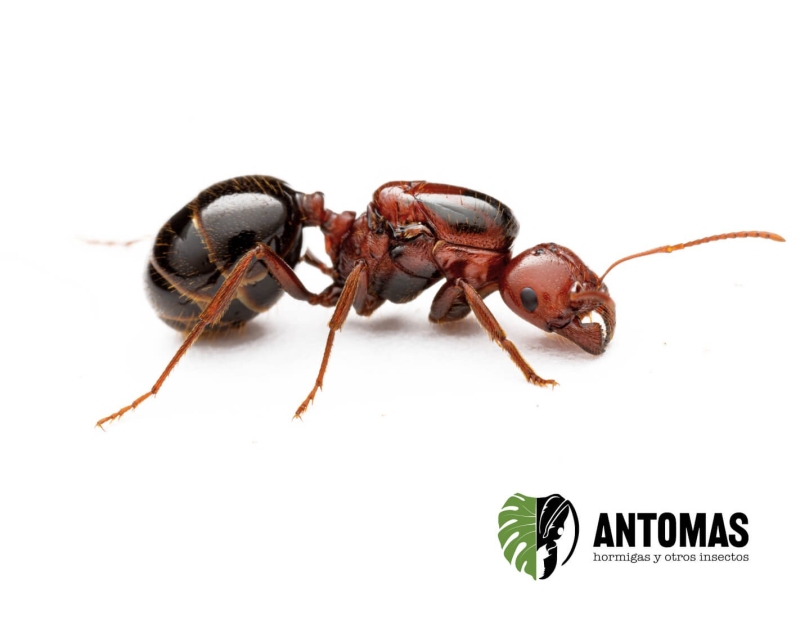
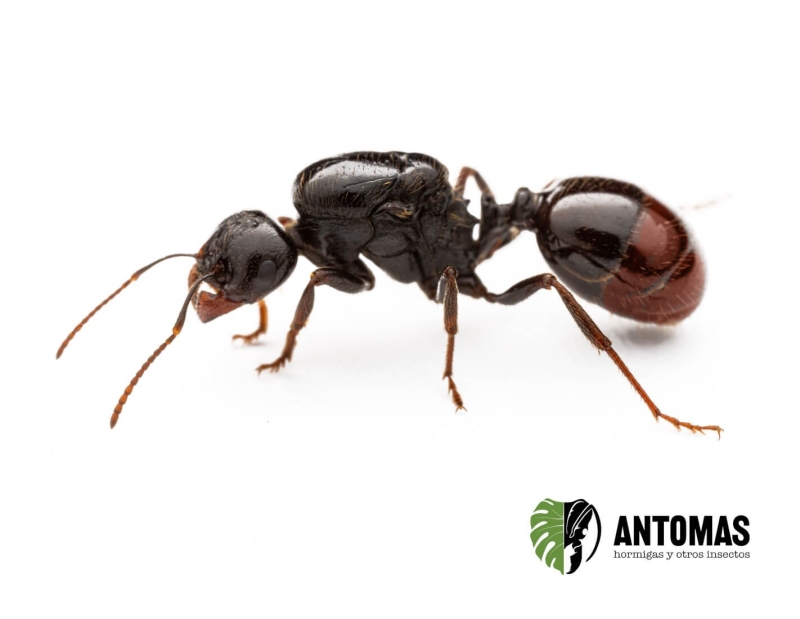
The general coloration is reddish with darker brown patterns, especially on the mesosoma and gaster. The body presents noticeable pilosity, giving it a robust and matte appearance compared to other more glabrous Camponotus species.

The queens are considerably large, with a voluminous thorax and broad gaster, adaptations linked to high egg production during the active phases of the colony cycle.

Approximate measurements

  • Workers: 1.3–1.9 cm
  • Soldiers: 1.8–2.3 cm
  • Queen: 2–2.4 cm

Captive Care

In captivity, Camponotus singularis may display somewhat atypical behavior compared to other species of the genus. As a member of the Myrmosaulus group, it exhibits relatively low activity inside the nest and a marked tendency to remain motionless if environmental conditions are not optimal.

Its activity depends greatly on a stable and relatively high temperature, as well as a well-defined photoperiod with clear day and night cycles. When these parameters are not met, the colony may appear apathetic and show very little movement, even when food is available.

It tends to adapt better to natural terrarium-style systems with substrate, where it can excavate or take advantage of preexisting cavities, maintaining both humid and drier zones. It requires moderate to high environmental humidity, combined with good ventilation to avoid excessive condensation.

From a nutritional perspective, it requires a varied diet including carbohydrate sources (artificial nectars or sugary solutions) and a regular supply of proteins in the form of insects. In captivity it does not stand out as an active hunter, more readily accepting dead or previously killed prey.

Its growth rate is relatively slow compared to more prolific Camponotus species, which, together with its large size and calm behavior inside the nest, makes it a species more oriented toward observation than toward the rapid production of large colonies.

No reviews

16 other products in the same category: