Camponotus nicobarensis

Camponotus nicobarensis

€12.99
VAT included
Colony


Camponotus nicobarensis

Biology

Camponotus nicobarensis is a medium-sized species within the genus Camponotus, characterized by its extraordinary demographic expansion capacity and its markedly dominant behavior in the ecosystems where it becomes established. Although it does not reach the body size of other species within the same genus, it compensates for this limitation through high voracity and intense foraging activity, allowing it to efficiently exploit a wide diversity of trophic resources.

Under favorable conditions, even moderately sized colonies can consume large volumes of prey, including insects considerably larger than the individual workers themselves. This trait places the species among the most efficient within the genus in terms of converting food into colony biomass, explaining its rapid population growth and its ability to establish extremely populous colonies within a relatively short period.

From an ethological perspective, this is a clearly dominant species in the areas where it forages. Its workers display active territorial behavior and do not hesitate to attack other ant species when competing for the same food sources. This aggressive character is not limited to the immediate surroundings of the nest, but also extends to extensive foraging trails, where potential competitors are systematically displaced through coordinated attacks.

It is capable of capturing small live prey and overpowering injured or weakened insects. Added to this predatory behavior is an effective defensive system based on the spraying of formic acid, whose potency is high compared to that of other species within the genus. Soldiers actively participate in defense and the intimidation of intruders, although the primary role in exploration and resource exploitation falls mainly to the minor and media workers, which constitute the bulk of the workforce.

One of the most singular traits of Camponotus nicobarensis within the genus is its social organization. Unlike the majority of Camponotus species, which are strictly monogynous, this species frequently presents polygynous structures, with several queens coexisting within the same colony. This reproductive strategy significantly increases egg-laying rates and therefore accelerates population growth. In certain environments, it may also develop a polydomous organization, forming several functionally connected nests that share resources and workers, promoting more efficient territorial occupation.

In its annual cycle, the species does not undergo a strict diapause, but rather a light hibernation or metabolic slowdown phase. Excessively low temperatures or prolonged winters negatively affect colony viability, reducing queen activity and increasing worker mortality. This suggests preferential adaptation to warm or temperate climates, where activity can be maintained throughout much of the year.

Size and Morphology

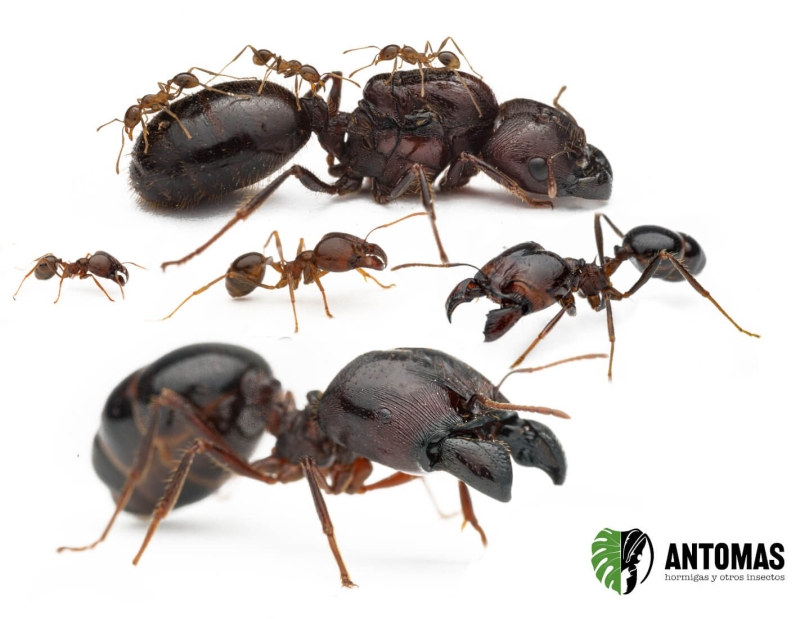
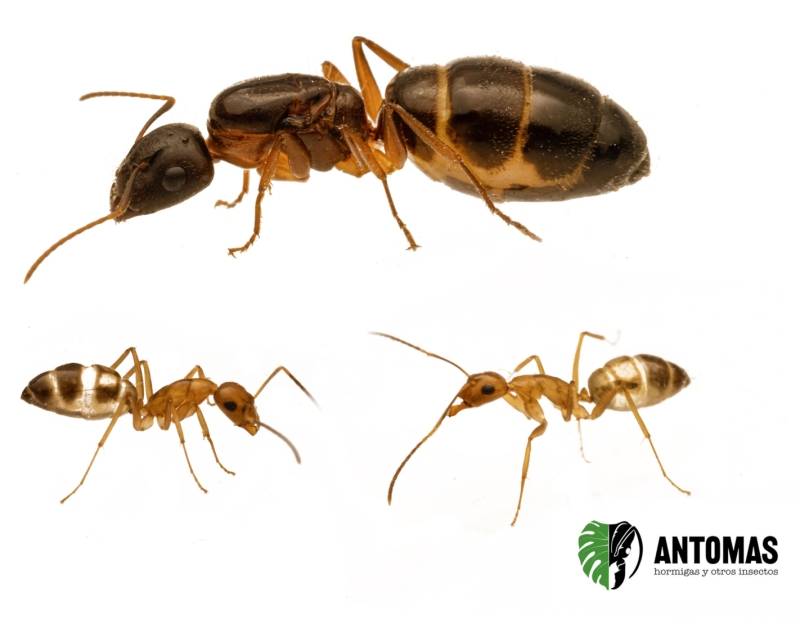
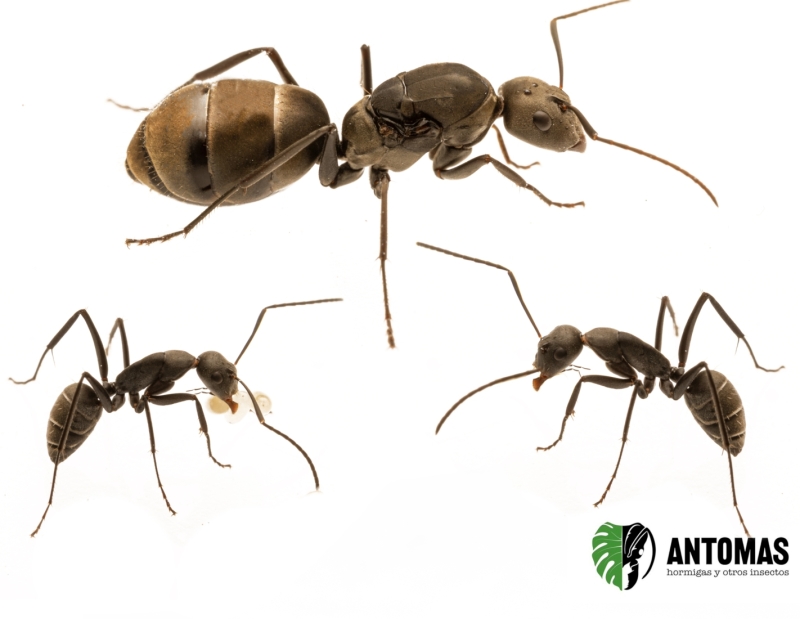
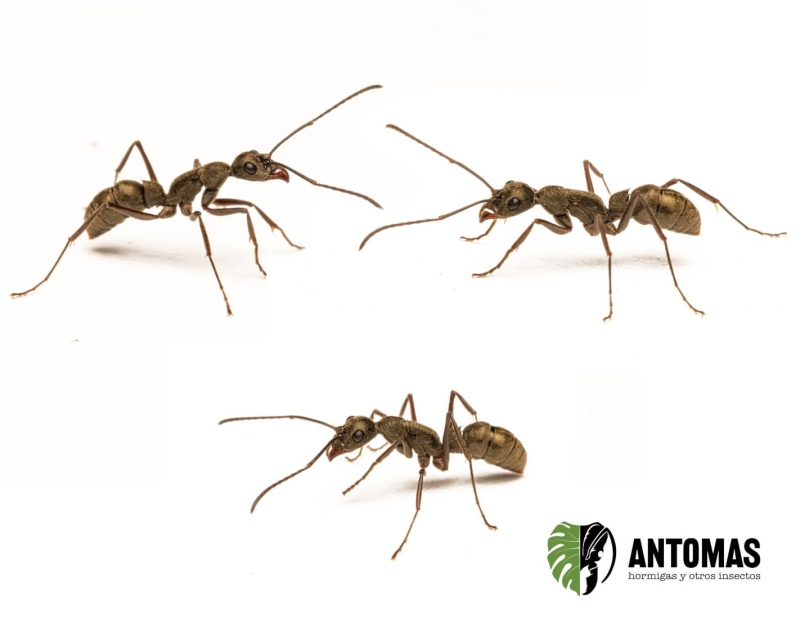
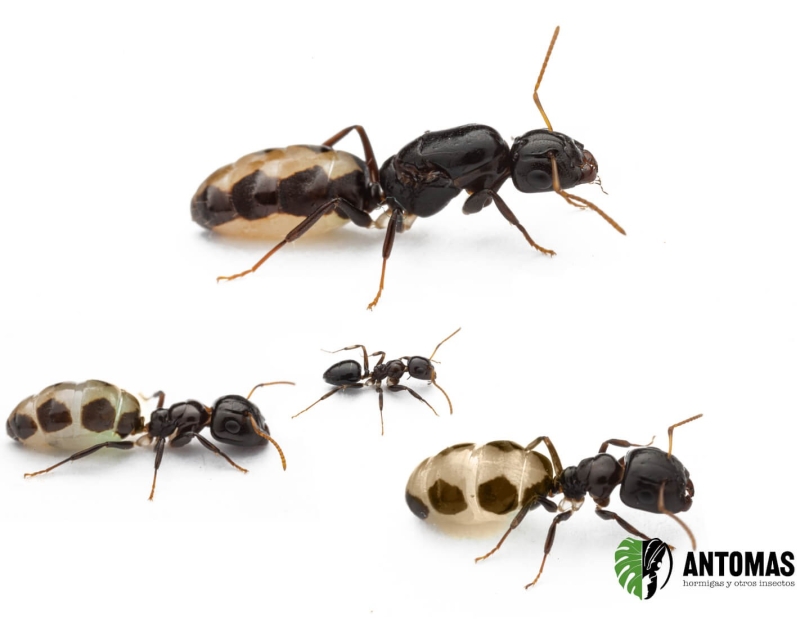
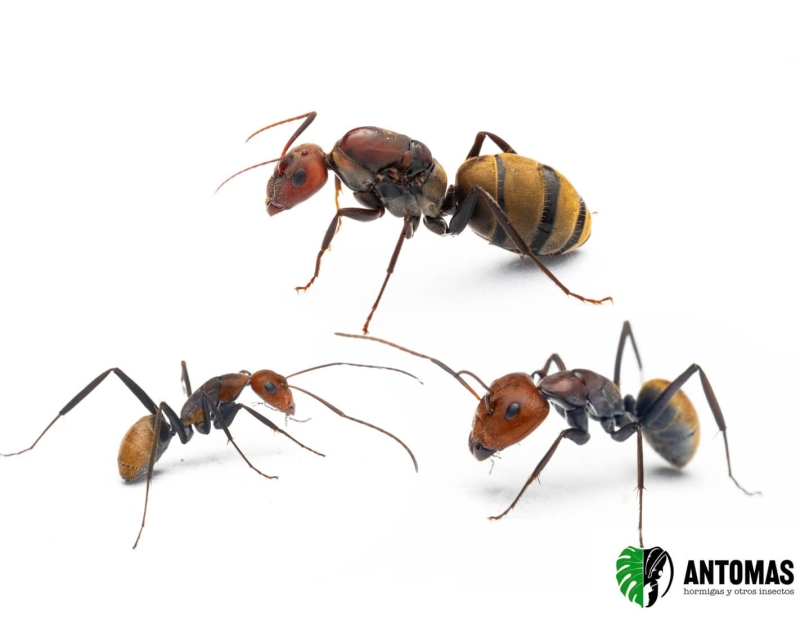
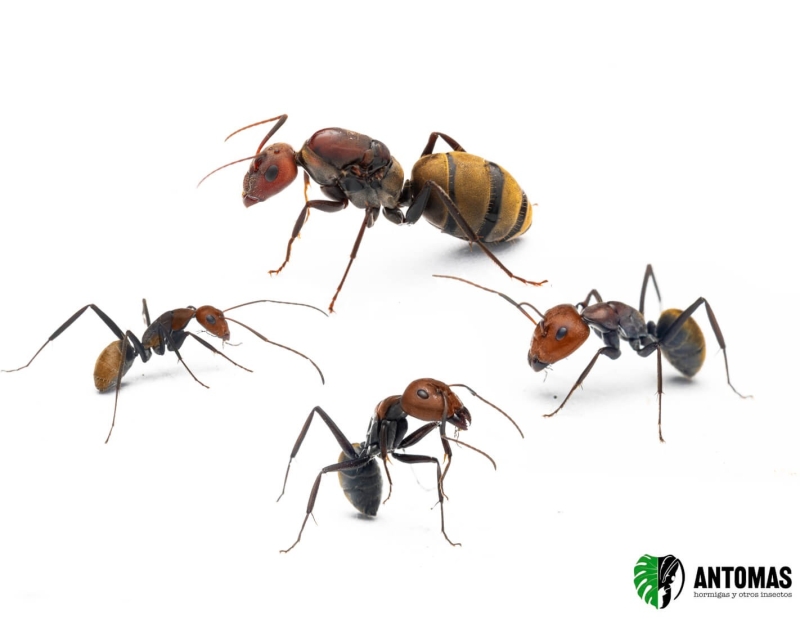
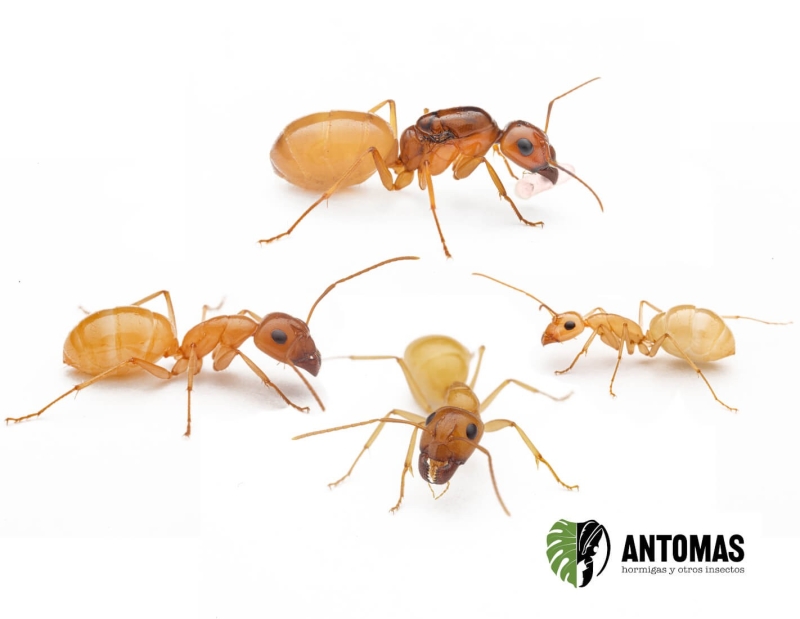
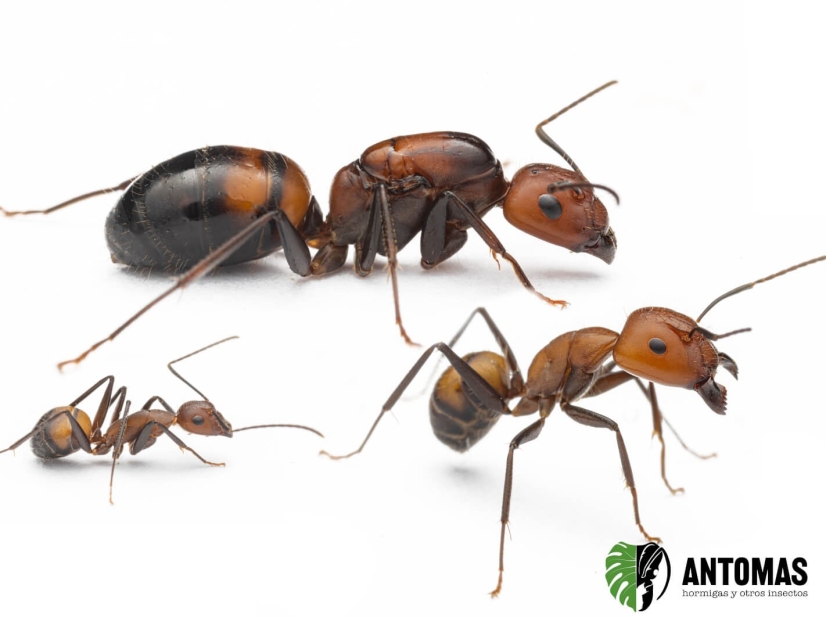
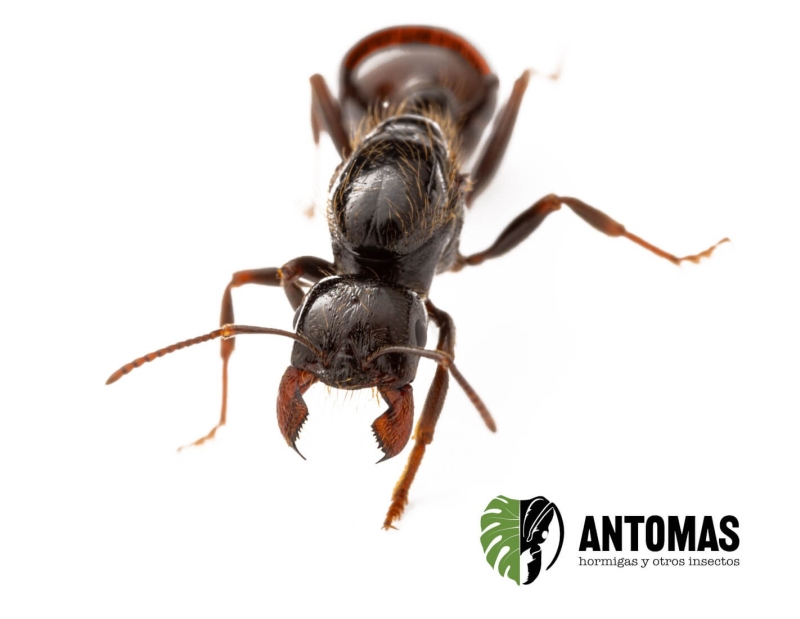
The species displays marked polymorphism, with individuals progressively varying in size and function. Soldiers (majors) are present, although their development is more discreet than in other species of the genus Camponotus, where they often possess disproportionately large heads. In C. nicobarensis, majors perform defensive and prey-handling functions, but without reaching extreme specialization.

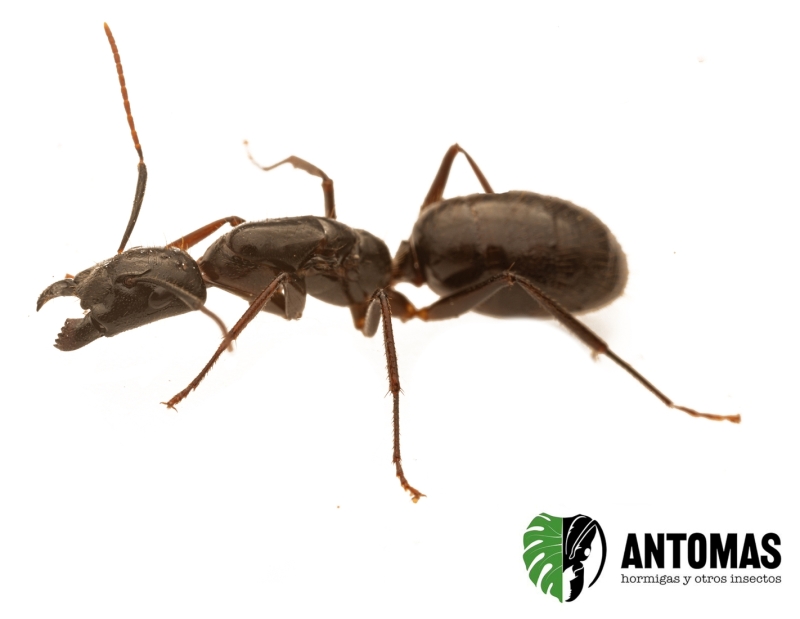
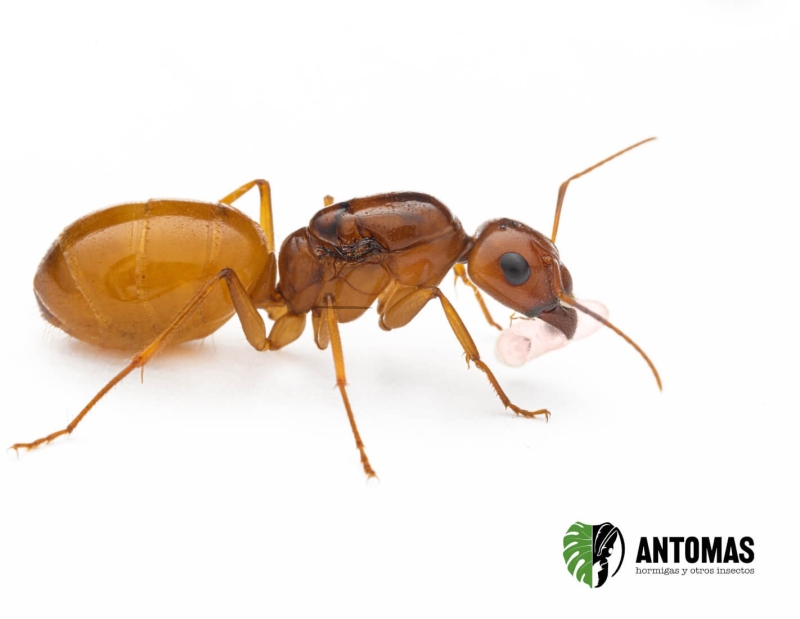
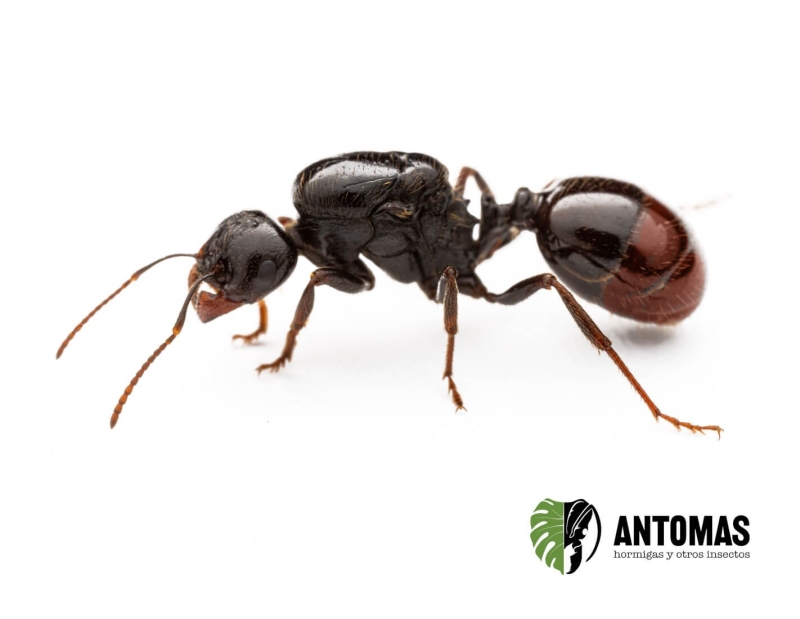
The body coloration is predominantly brown, with slight reddish tones, especially on the mesosoma and head. This pigmentation gives the species a relatively homogeneous appearance, although it may vary depending on the colony and environmental conditions.

Approximate measurements

  • Workers: 0.3–0.5 cm
  • Soldiers: 0.6–1 cm
  • Queen: ~1 cm

Captive Care

In captivity, Camponotus nicobarensis stands out for its extraordinary growth capacity. Under optimal conditions, it can reach very large populations within a short period of time, developing colonies of dimensions comparable to those observed in nature. This phenomenon is especially pronounced in polygynous colonies, where the presence of multiple queens multiplies egg production and accelerates the establishment of large functional populations.

It is probably the most prolific species of the genus Camponotus in controlled breeding contexts, with records of colonies surpassing 50,000 individuals even in artificial environments. Monogynous colonies can also reach notable sizes, although their growth is more gradual and limited compared to polygynous colonies.

The nests intended for this species should provide good ventilation and a low to moderate humidity level, avoiding excessively water-saturated environments that could encourage the proliferation of fungi or pathogens. It is essential to provide large foraging areas capable of supporting heavy worker traffic and large amounts of food waste.

From a nutritional perspective, the species requires a constant supply of carbohydrates in the form of artificial nectar, sugary solutions, or diluted honey, as well as a regular supply of proteins through insects of various origins (crickets, cockroaches, larvae, flies, etc.). Its voracity means that food consumption is high even in young colonies, increasing exponentially as the number of workers grows.

The combination of rapid growth, high tolerance to captive conditions, and highly visible activity makes Camponotus nicobarensis one of the most recommended species for beginners in captive myrmecology. Its dominant behavior, intense foraging dynamics, and remarkable social organization make it especially attractive from both an educational and observational perspective.

No reviews

16 other products in the same category: