Pseudomyrmex boopis | Buy & Care Guide

Pseudomyrmex boopis

Last items in stock
€249.99
VAT included
Colony


Pseudomyrmex boopis – American Needle Ant

Biology

Pseudomyrmex boopis is a Neotropical ant belonging to the subfamily Pseudomyrmecinae, distributed from southern Mexico and Central America to several regions of northern and northwestern South America.

It mainly inhabits tropical forests, wooded formations, and understory environments, where workers move over leaves, low branches, and the ground itself. It may also appear in disturbed areas with sufficient vegetation cover, such as coffee plantations and secondary forests.

Although the genus Pseudomyrmex is known for its associations with plants, not all species maintain an obligate symbiotic relationship. Some depend closely on acacias, Triplaris, or other myrmecophytic plants that provide cavities and food in exchange for protection, while Pseudomyrmex boopis shows much more flexible behavior.

This makes it one of the most interesting Pseudomyrmex species for keepers who wish to maintain the genus without recreating a complex plant symbiosis in captivity. It may occasionally occupy cavities in living plants, including hollow thorns of some acacias, but it does not depend exclusively on them.

It does not excavate large nests or build deep galleries. It uses narrow spaces already created by wood decay or the previous activity of other insects. Its elongated body seems designed for this lifestyle, allowing it to move through galleries where a more robust ant would struggle.

Natural colonies may display polydomy, meaning that a single society is distributed among several nearby branches or pieces of wood. Each cavity functions as a small unit connected to the others by worker routes. It can be compared to a company spread across several nearby buildings that work in coordination.

This behavior has a direct application in captivity. Instead of placing a small colony in a single oversized nest, it is usually more appropriate to provide narrow chambers and expand the system with new modules as the population increases.

It is mainly a diurnal species. Workers leave their shelters during daylight hours and explore both low vegetation and the ground surface. Their enormous eyes play a fundamental role in orientation, but they do not work alone: workers combine visual references with chemical signals deposited along their routes.

Foraging is usually carried out by individual workers that are fast and highly alert to movement. The diet should combine small arthropods with nectar, honeydew, and other sugary resources.

It is not especially known for extreme collective aggression. When disturbed, workers may open their mandibles, raise their bodies, and make rapid antennal movements before retreating or stinging.

The natural number of queens and maximum colony size are not sufficiently documented to establish an absolute rule. As a precaution, one queen per colony should be kept in captivity.

The specific founding method is also not documented in sufficient detail. In captivity, it is safer to manage queens as semi-claustral, providing access to small amounts of food from the beginning.

A founding queen should receive microdrops of nectar or sugar water and small freshly killed insects. Food should be placed very close to the entrance so she can feed with minimal exposure.

It does not undergo a cold diapause. It comes from tropical regions and can remain active throughout the year. A moderate reduction in activity during cooler months is normal.

Size and Morphology

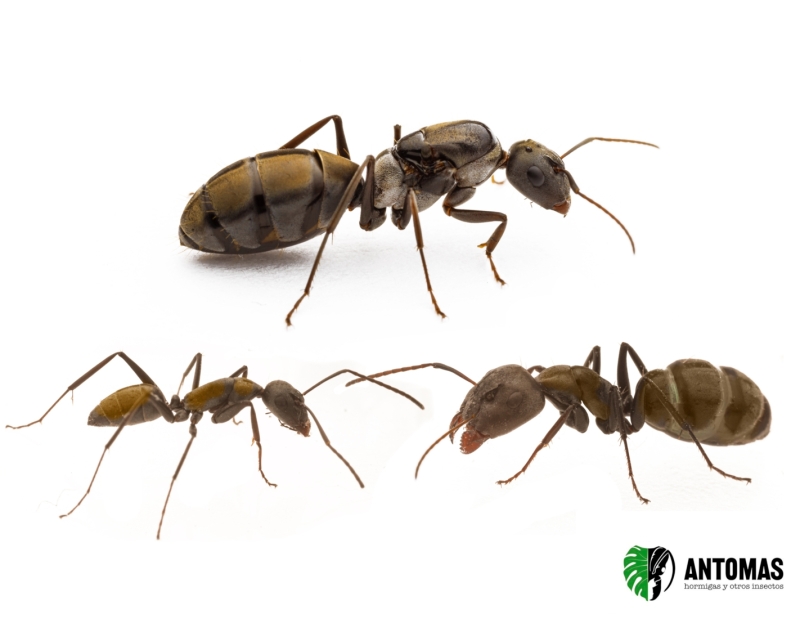
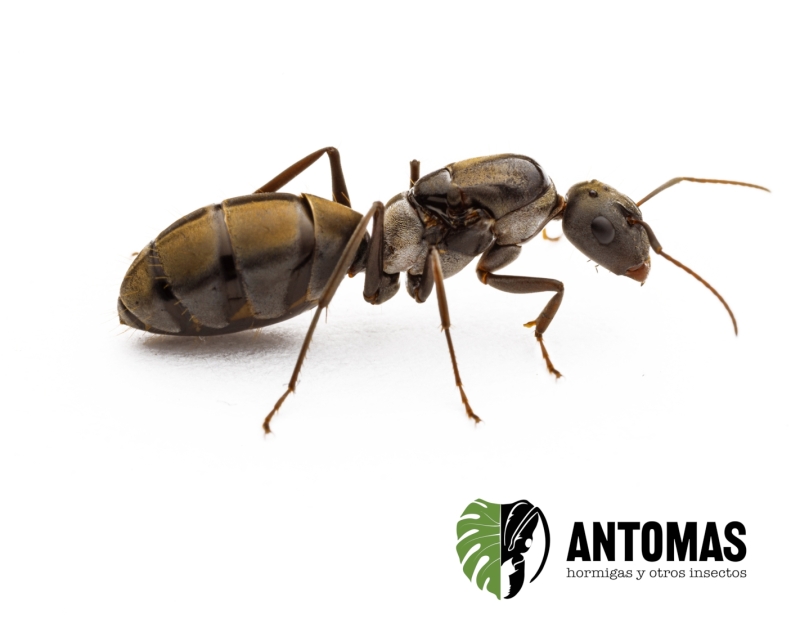
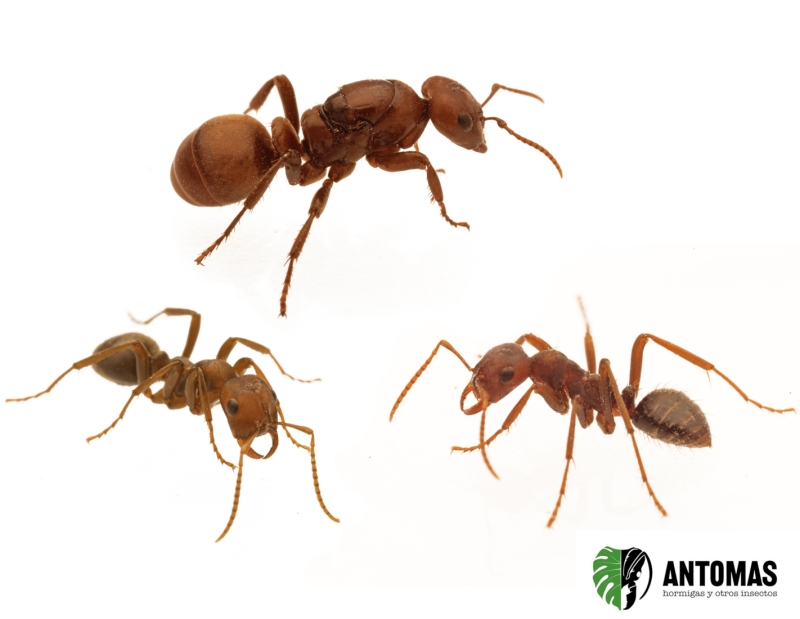
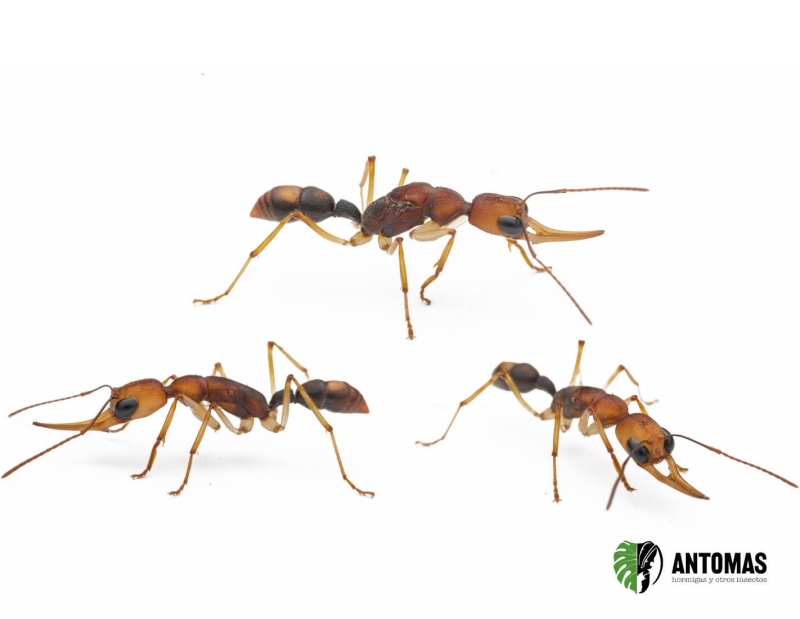
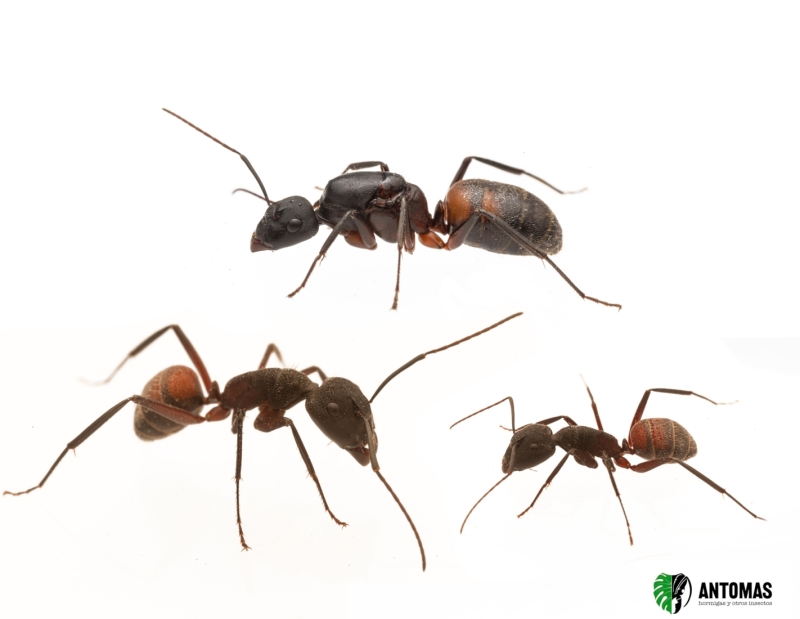
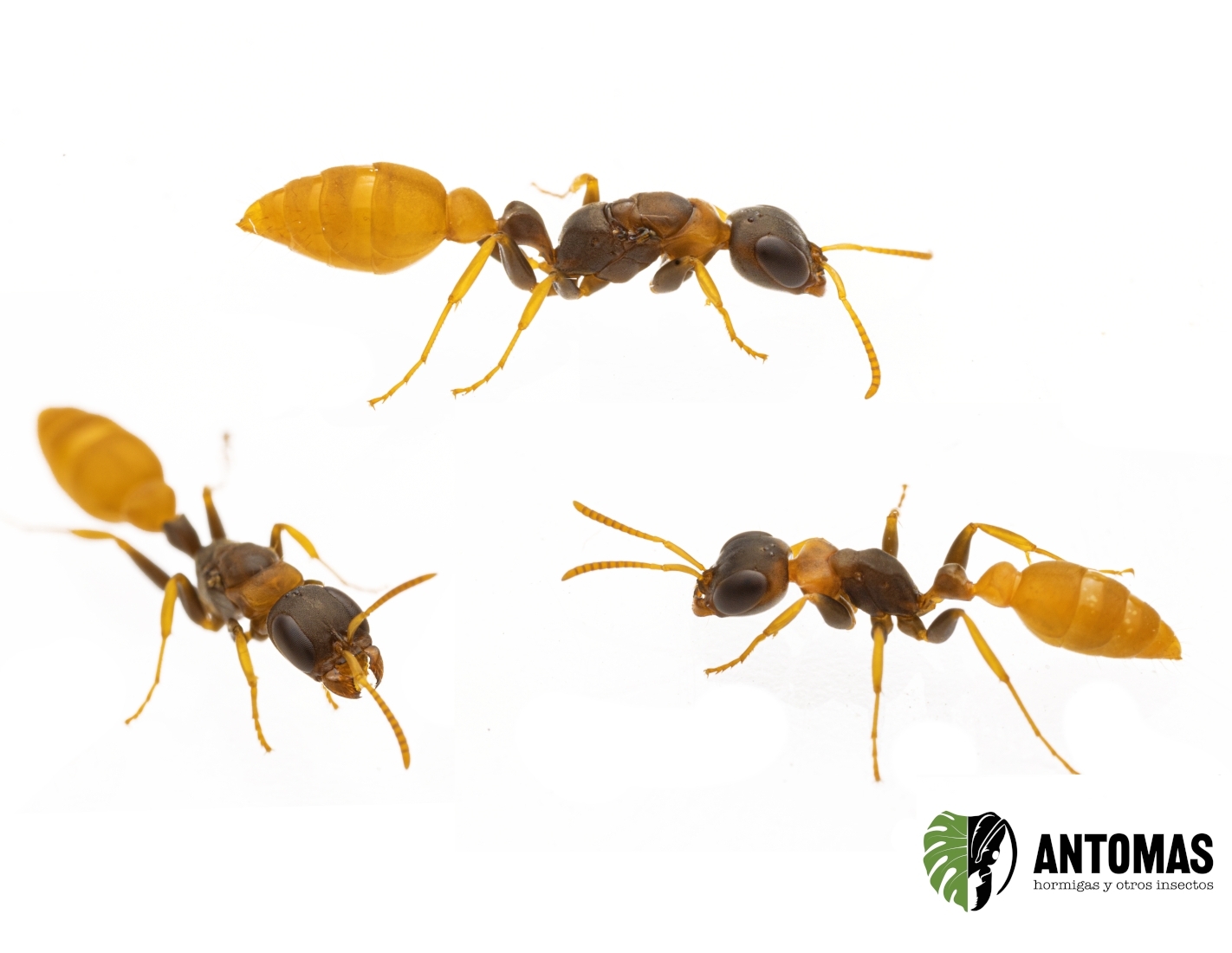
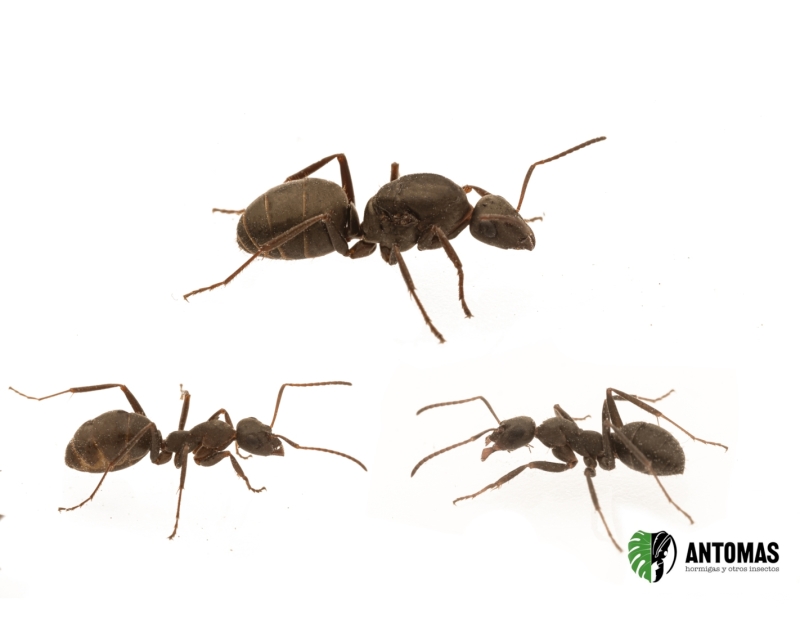
Pseudomyrmex boopis has the slender, almost wasp-like appearance characteristic of the subfamily Pseudomyrmecinae. The body is narrow, the legs are long, and the head is relatively broad.

The head is broad and slightly rounded, with dark, convex, and highly developed eyes occupying much of its sides. This proportion makes it appear to wear a pair of large dark lenses.

The mesosoma is elongated, arched, and relatively angular. The waist consists of a high, narrow petiole followed by a clearly differentiated postpetiole. This anatomy gives the body a very light and agile appearance.

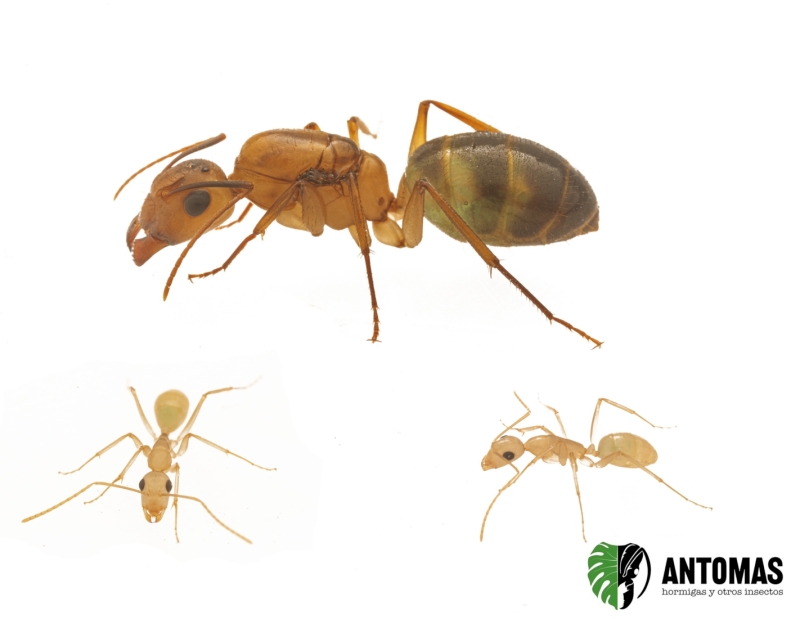
The coloration of the species varies between populations. Brown, orange, dark, and strongly bicolored specimens are known.

The line sold by Antomas shows an especially attractive contrast:

  • very dark brown or almost black head;
  • black and very shiny eyes;
  • dark chestnut mesosoma with orange areas;
  • yellowish or amber legs and antennae;
  • lighter, translucent gaster when well fed.

Depending on feeding and degree of distension, the gaster may become lighter and more translucent, further emphasizing the contrast with the head.

Workers are monomorphic. There are no majors or differentiated soldier caste. Tasks are distributed through differences in age, experience, and behavior.

Approximate measurements

  • Workers: around 5–7 mm
  • Queen: approximately 6–8 mm

Measurements should be considered approximate. Published taxonomic descriptions provide precise measurements of the head and other structures, but there is less information on the total length of commercially maintained lines.

The queen may be only slightly longer than a worker, but she is distinguished by her more developed mesosoma, a result of the original flight musculature, and by a gaster capable of supporting egg production.

It possesses a functional sting. It may use it if trapped, handled directly, or if it considers the colony threatened. Its presence does not make maintenance difficult when the enclosure is secure.

CAPTIVE CARE

The difficulty of Pseudomyrmex boopis can be considered intermediate.

It does not depend on a specific host plant and accepts a conventional diet based on insects and sugary liquids. However, its speed, vision, climbing ability, and sting require careful handling.

Recommended parameters

  • Temperature: 24–28 °C
  • Nest humidity: moderate to moderately high
  • Approximate humidity: 60–75 %
  • Ventilation: very good

The species needs humidity, but not permanently saturated wood. A balance between hydration and ventilation should be maintained, avoiding both complete drying and constant condensation.

In wooden nests, localized hydration is advisable. The colony should be able to choose between a slightly humid area for the brood and a drier area for adult workers.

During founding, a small wooden chamber or a tube connected to a very small foraging area can be used. The queen should have darkness and shelter, but also access to food.

RECOMMENDED FORMICARIA

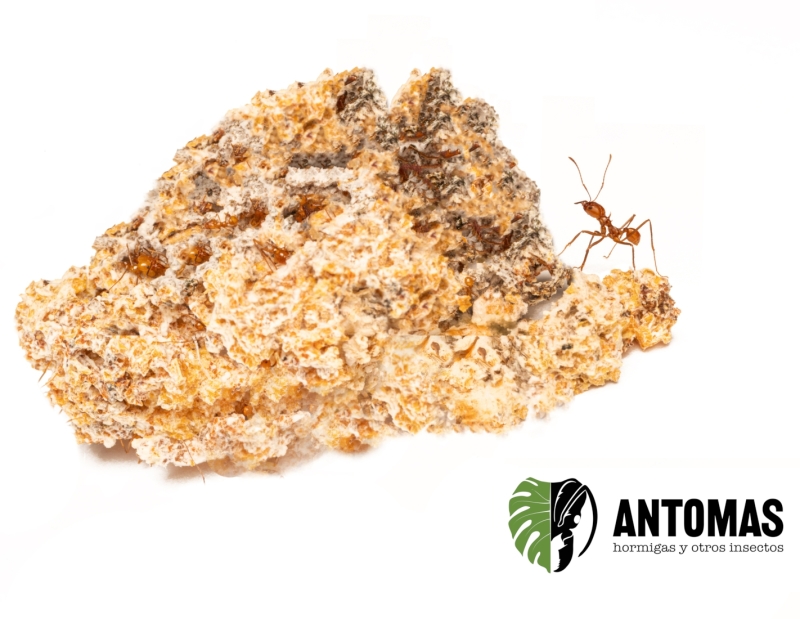
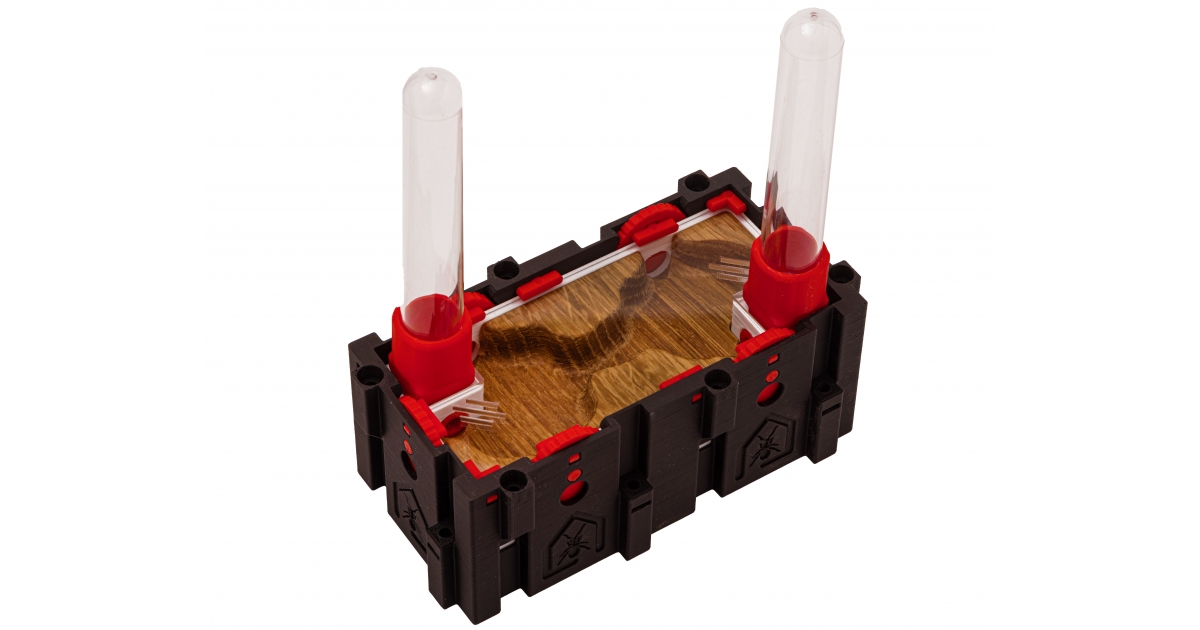
Colonies kept by Antomas have adapted especially well to wooden nests, a material that closely reproduces the cavities they occupy in nature.

Its narrow chambers and wooden construction are suitable for a species that naturally occupies small cavities inside twigs and pieces of dead wood.

The two sections allow slightly different humidity conditions or colony distribution without forcing it to occupy an excessively large chamber.

As an artificial and easily controlled alternative, the following may be used:

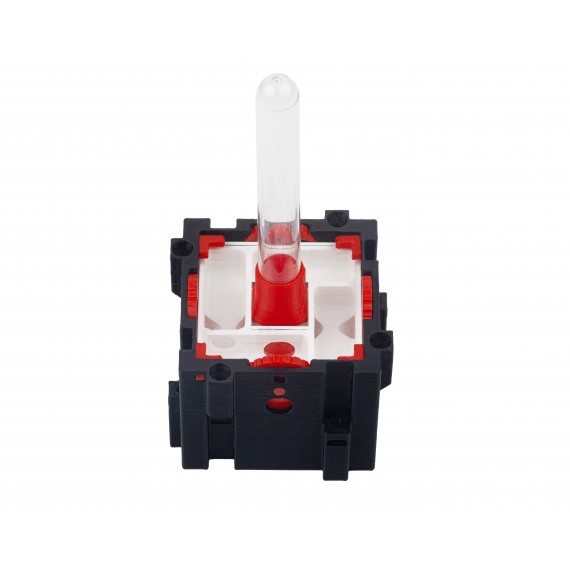
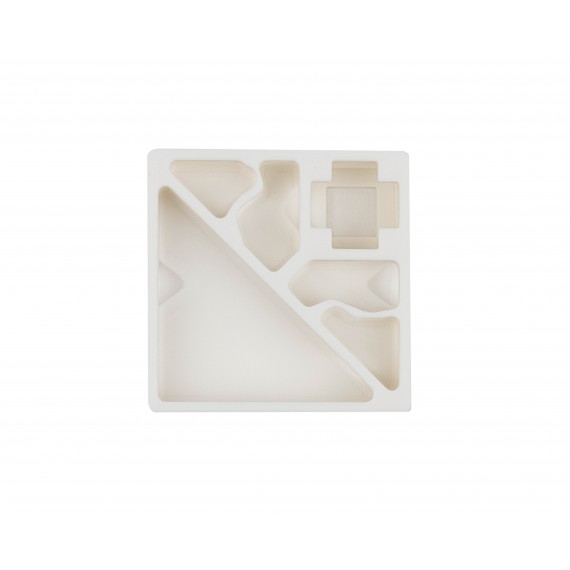
Small Alpha galleries keep workers and queen in narrow spaces, reducing stress and making humidity easier to control.

Because of its natural tendency toward polydomy, it is more appropriate to gradually connect several small modules than to move the colony into a huge nest. This allows expansion without losing control.

Wood allows more natural behavior, while PLA and acrylic make observation, cleaning, and precise humidity control easier. Both options are suitable.

Feeding

Carbohydrates

Carbohydrates are the main energy source for workers:

  • ant-specific nectar;
  • sugar water;
  • diluted honey;
  • small portions of ripe fruit occasionally.

Carbohydrates should be offered regularly, as workers are active and depend on rapidly absorbed energy sources.

Drops should be small or presented in safe micro-feeders. A drop that is too large can trap a worker, especially while the colony is still small.

Proteins

  • fruit flies;
  • small flies;
  • springtails and mosquitoes;
  • moths;
  • micro crickets;
  • young or chopped cockroaches.

Because of its slender build, it is preferable to offer small, frequent prey rather than excessively large insects.

Young colonies should receive freshly killed food. An established colony can hunt small live prey, allowing observation of its speed, visual coordination, and sting use.

Protein consumption increases when larvae are present. If the colony mainly has eggs or pupae, interest in insects may temporarily decrease.

Leftovers should be removed frequently, especially in wooden nests, to prevent the combination of food and humidity from encouraging mold or mites.

Diapause

Pseudomyrmex boopis does not require a cold diapause.

Throughout the year it can be kept at approximately 22 to 28 °C, with slightly lower winter temperatures if a mild seasonal variation is desired.

It should not be kept for weeks at 10–15 °C like a temperate ant. Excessively low temperatures can stop development, reduce feeding, and compromise the colony.

If egg laying decreases during winter, protein quantity can be reduced slightly while water and carbohydrates remain available.

Behavior in Captivity

It is a fast, visually oriented, and excellent climbing ant. It can move over glass, plastic, wood, silicone, branches, and other vertical elements.

The foraging area should have a PTFE barrier in good condition and preferably a secure lid. Connections must be checked carefully because its narrow body can exploit small gaps.

Its activity is mainly diurnal, so it can be observed without waiting until night. An arena decorated with thin branches, dry leaves, and elevated routes highlights its natural behavior.

Workers usually forage individually. They do not form the dense highways of mass-recruiting species, but compensate with speed, vision, and constant exploration.

When several modules are offered, they may distribute the colony and brood among different chambers. This should not necessarily be interpreted as an escape attempt or nest rejection.

Handling and Safety

Pseudomyrmex boopis possesses a sting and may sting when trapped or threatened.

It should not be handled directly with bare hands. Transfers and cleaning tasks should be carried out using tubes, auxiliary containers, long tweezers, and properly applied escape barriers.

Its speed requires every intervention to be prepared before opening the enclosure. Lids, connections, and foraging-area edges should be checked especially carefully.

With a secure setup and orderly routines, its maintenance presents no special difficulties.

No reviews

16 other products in the same category: