Camponotus sericeus
Camponotus sericeus
Camponotus sericeus
Camponotus sericeus

Camponotus sericeus

Out-of-Stock
€79.99
VAT included


Camponotus sericeus – African Golden Ant

Biology

Camponotus sericeus is a striking ant widely distributed across the Afrotropical and Oriental regions, with records ranging from different parts of Africa to the Arabian Peninsula and southern Asia. It is currently considered a valid species within the subgenus Orthonotomyrmex.

It is a species particularly associated with warm, open environments, occurring in savannas, dry grasslands, agricultural areas and other sunny habitats. In southern India, colonies have been studied nesting directly in the soil of dry, open areas, where workers are intensely active during daylight hours.

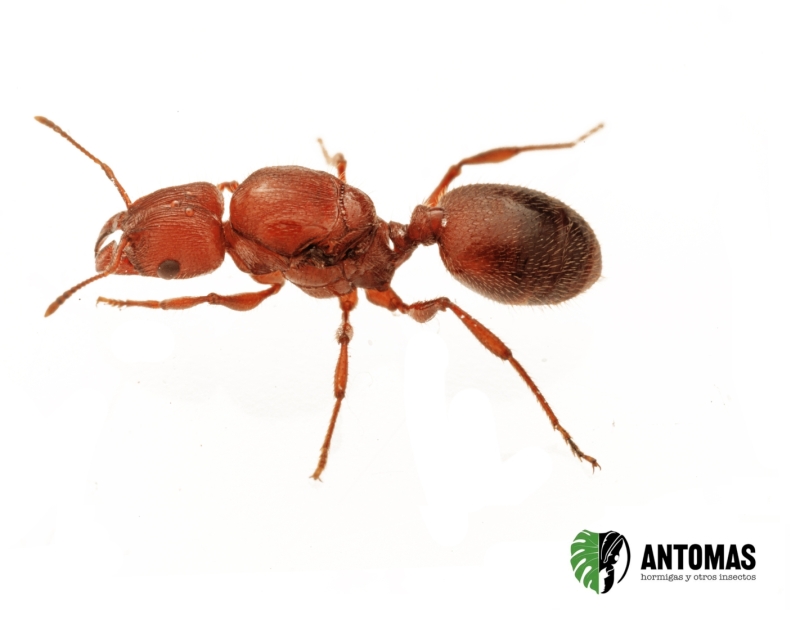
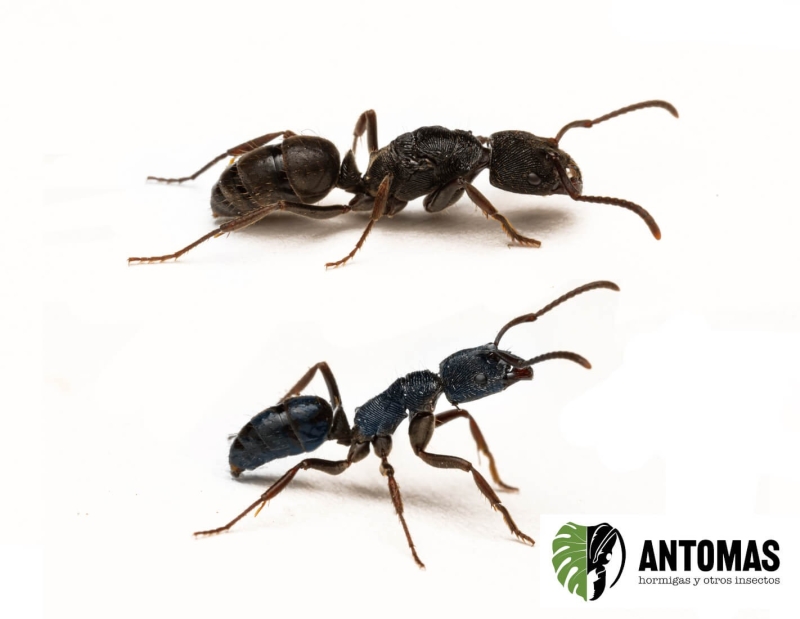
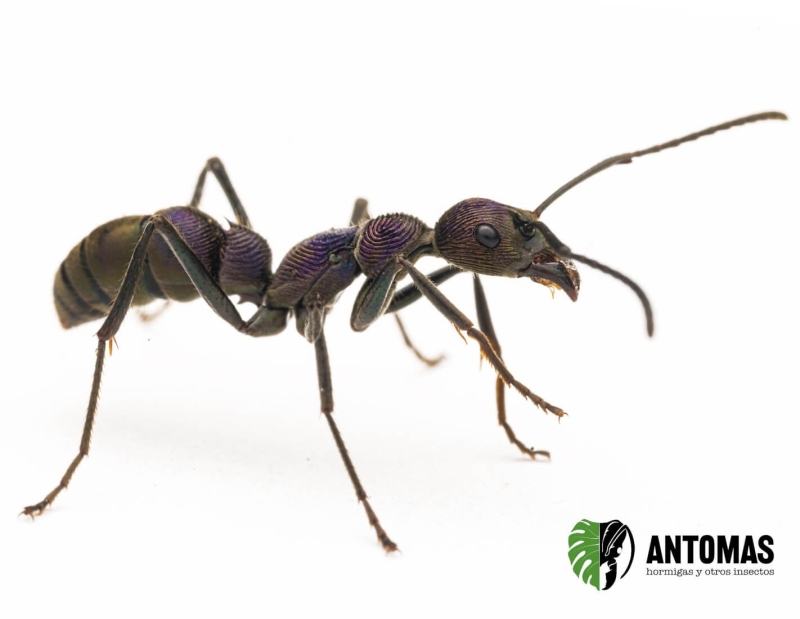
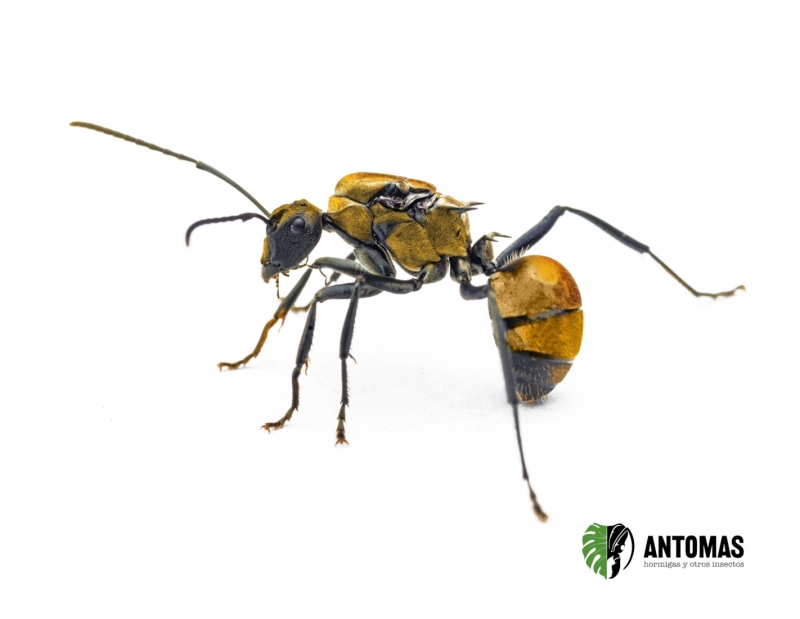
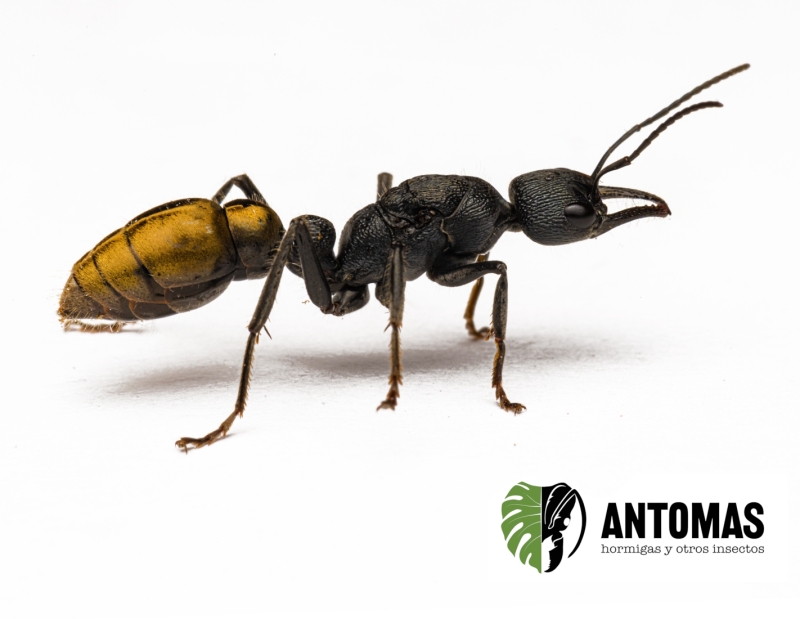
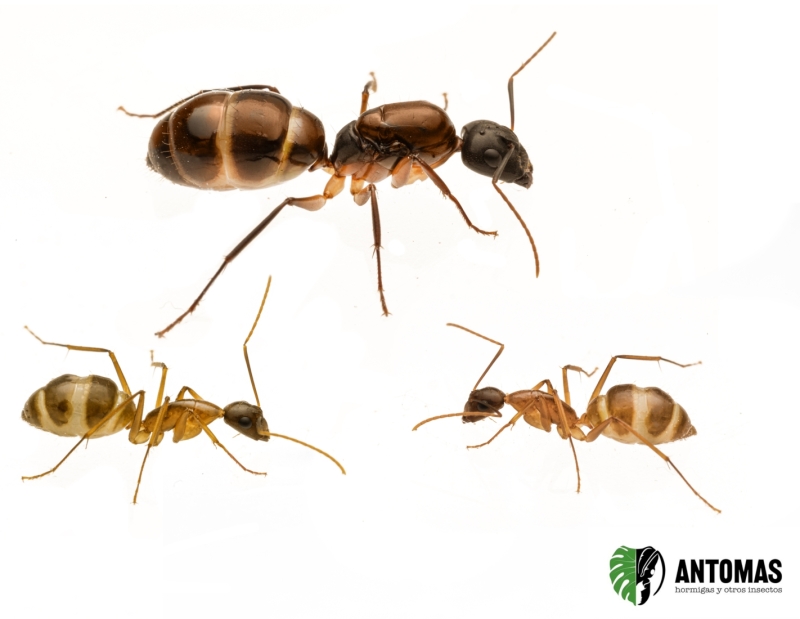
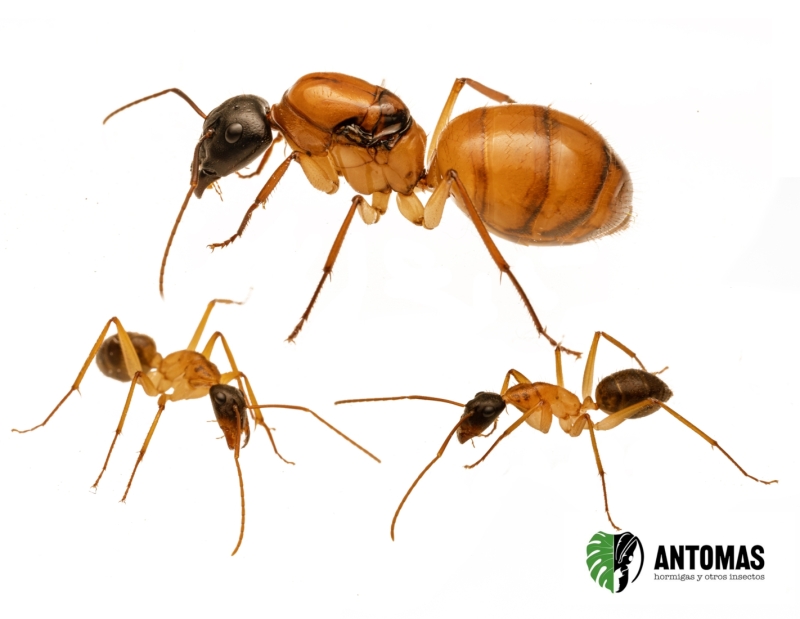
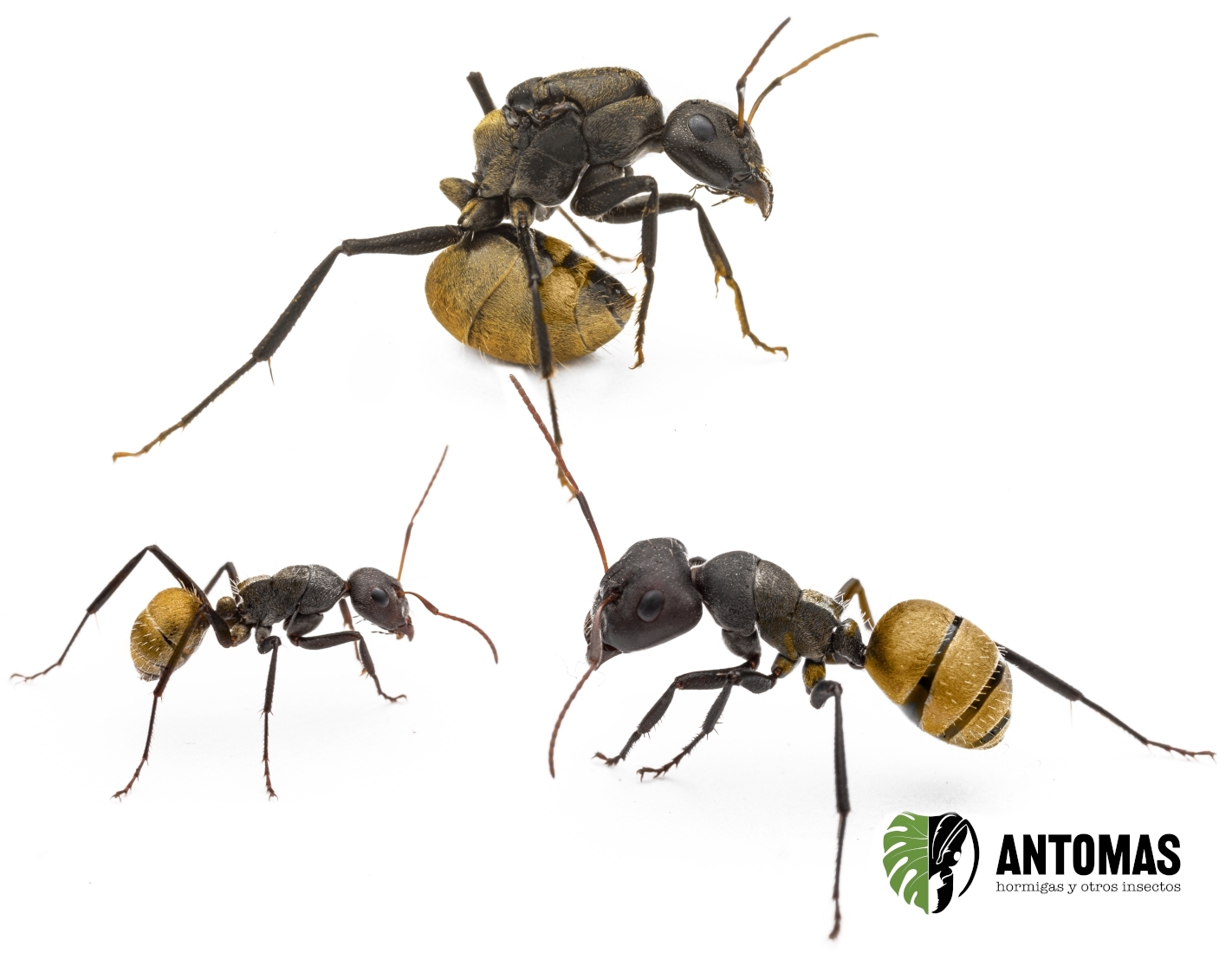
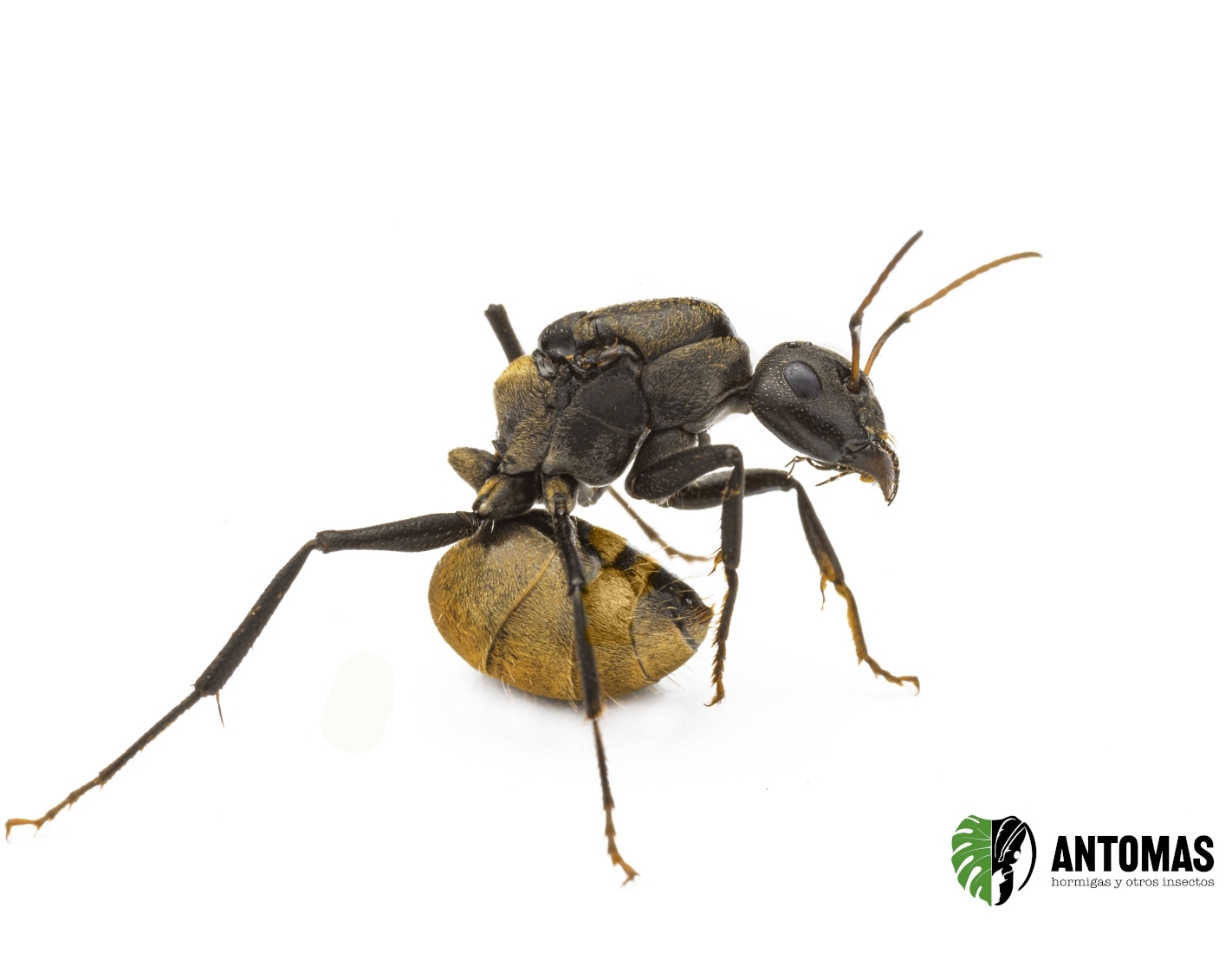
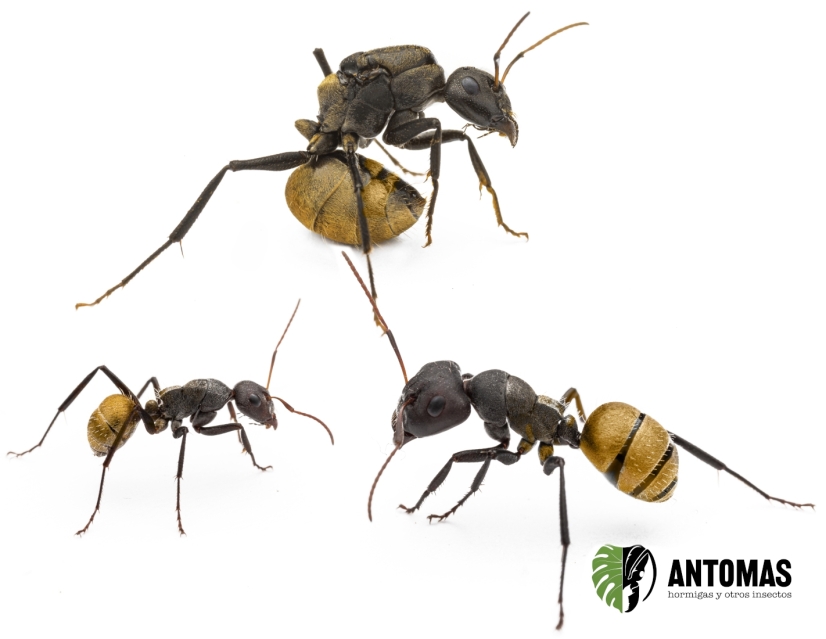
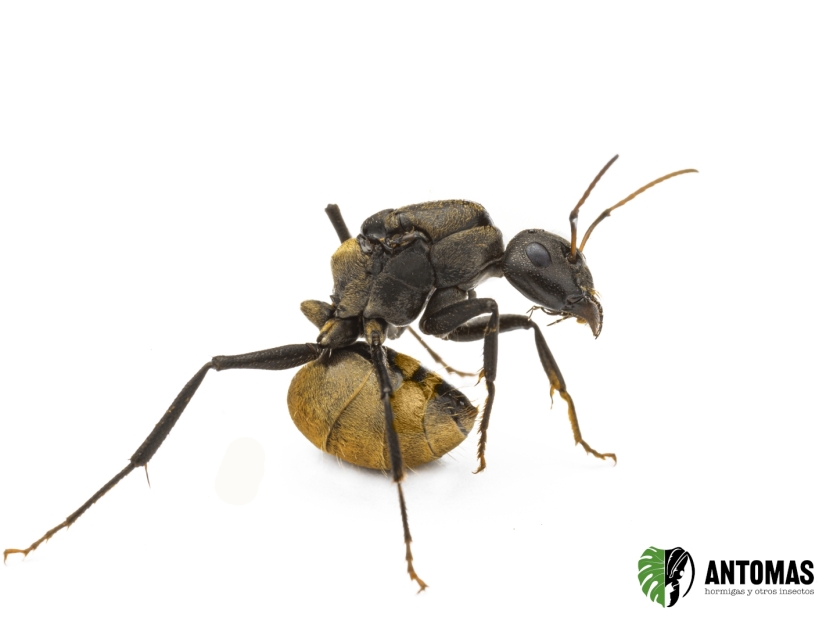
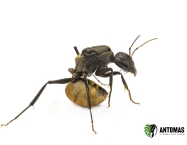
Its common name, African Golden Ant, refers to the dense yellow or golden pubescence covering the gaster. Depending on the angle of the light, a worker may appear almost black and, a few seconds later, display an intense golden sheen.

There are also significant variations in coloration. The most common form has a dark head and mesosoma, but some populations or lines show a reddish or intensely brown head. The golden effect of the gaster remains one of the species’ most characteristic visual traits.

A long-range forager

Camponotus sericeus is primarily diurnal.

A study conducted on six colonies in Bengaluru recorded activity from approximately 06:00 to 18:00, with peak foraging between 09:00 and 12:00 and a second, smaller peak in the afternoon. Some workers travelled at least 10 metres from the nest, while others were observed foraging at distances of up to approximately 50 metres.

This reveals an ant that is far more mobile than its robust appearance might suggest. A forager can cover an enormous area relative to its size and subsequently return to the same nest.

Most foraging occurs individually. Workers leave the nest alone and search the surrounding area without forming the dense, permanent trails typical of many other ants.

However, this does not mean that they are unable to recruit nestmates. When a worker discovers an especially valuable food source, it can return to the nest and recruit additional workers.

Communication and recruitment

Recruitment in C. sericeus combines chemical signals and physical communication.

During recruitment, a worker can perform rapid movements and make contact with nestmates, stimulating them to leave the nest. Chemical trails deposited on the substrate then help guide the recruited workers towards the food source.

This system allows the colony to maintain the flexibility of solitary exploration while rapidly mobilising several workers when a large or particularly profitable resource is discovered.

In practical terms, a single worker may initially discover food, but within a short time several nestmates can appear if the resource is sufficiently attractive.

Diet

Camponotus sericeus has an omnivorous diet, combining carbohydrate-rich liquids with animal protein.

In the wild, workers visit extrafloral nectaries, collect sugary secretions and exploit honeydew produced by sap-feeding insects. They also capture small arthropods and collect animal remains.

Nest structure

In nature, Camponotus sericeus mainly nests in the ground.

The nest may have a relatively discreet entrance on the surface, while a system of galleries and chambers extends underground. These cavities provide the colony with protection against sudden changes in temperature and humidity.

Colonies can modify the entrances and surrounding soil, especially as the population grows and the internal structure of the nest expands.

As with many ground-nesting Camponotus, the deepest areas of the nest probably provide a more stable microclimate, while chambers closer to the surface can take advantage of daytime warmth.

This ability to choose between different thermal zones is important when designing a captive nest.

Colony structure

Colonies are headed by a queen and can develop a considerable population over time.

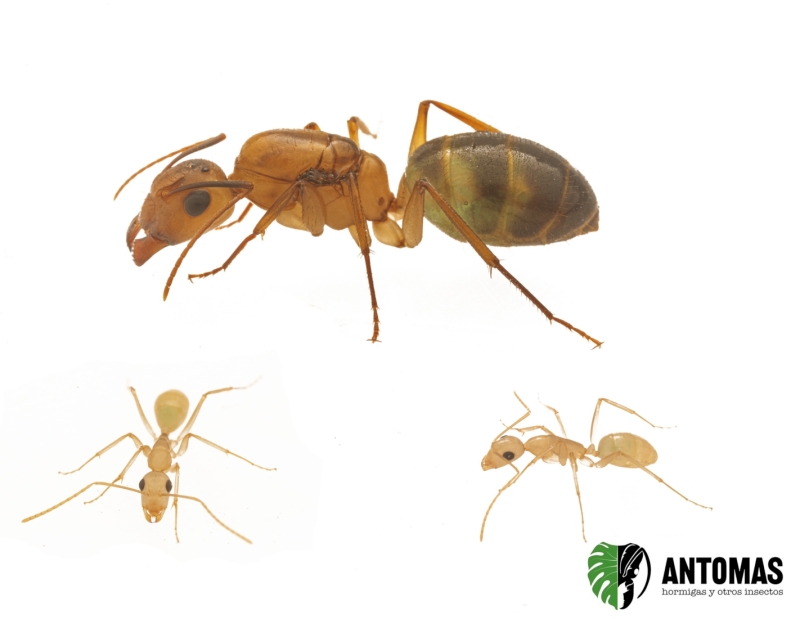
The workers show clear size polymorphism, with minors, media workers and large majors.

This variation is not merely aesthetic. Different worker sizes allow the colony to distribute tasks more efficiently, from brood care and routine foraging to defence and processing larger food items.

Workers usually measure approximately 8–12 mm, while the largest majors can exceed this range and display a disproportionately broad head.

The queen is noticeably larger and more robust, with a strongly developed mesosoma associated with the flight musculature she possessed before shedding her wings.

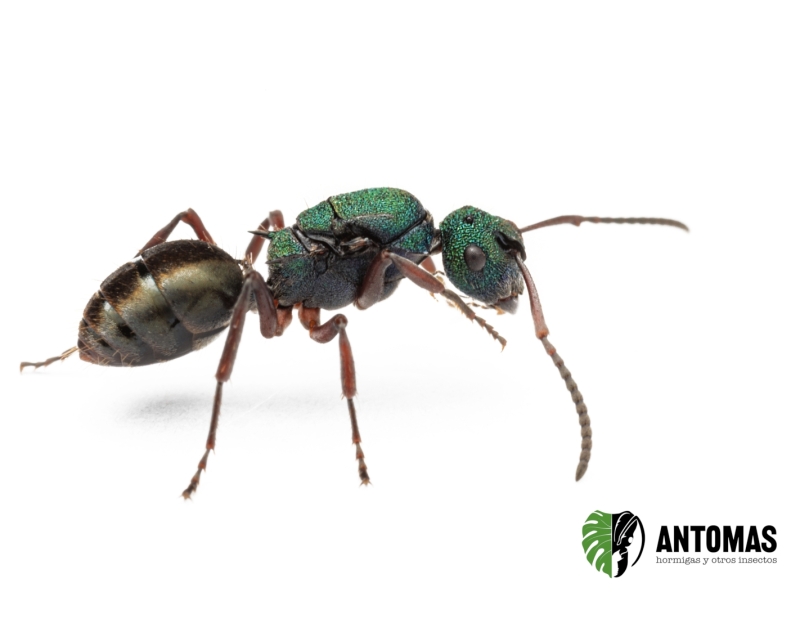
The general body colour ranges from dark brown to black, although some populations may show reddish tones, especially on the head and mesosoma.

Its most distinctive feature is the dense golden pubescence on the gaster, which produces an intense metallic or silky appearance depending on the lighting.

This golden sheen is not produced by a pigment covering the cuticle, but mainly by the fine hairs that reflect the light.

The contrast between the dark body and the golden gaster makes it one of the most visually striking African Camponotus.

CAPTIVE CARE

Camponotus sericeus is a robust species that adapts well to captivity when provided with sufficient warmth, access to water and a varied diet.

Its care is not especially complicated, but its high daytime activity and the presence of large majors make it advisable to use a secure setup with enough space for foraging.

It is particularly suitable for hobbyists looking for an active, visually impressive Camponotus that does not require a cold winter diapause.

CAPTIVE CARE

Camponotus sericeus is a relatively robust species in captivity provided that three basic requirements are respected: warm temperatures, a well-hydrated nest and regular access to carbohydrates.

It does not require especially complex care, but it should not be kept permanently cold or in an excessively wet, poorly ventilated nest.

Because it is a very active species, a sufficiently large foraging area is recommended once the colony begins to grow.

Recommended parameters

  • Temperature: 24–28 °C
  • Warm spot: 28–30 °C
  • Nest humidity: moderate, with a clearly humid area
  • Foraging area: drier and well ventilated

A thermal gradient is particularly useful. One part of the nest can be kept warmer while another remains slightly cooler, allowing the colony to move the brood according to its needs.

Heating should never cover the entire nest. The ants must always have access to a cooler area.

The hydration system should maintain part of the nest humid without saturating all the chambers.

Permanent excessive moisture, especially when combined with high temperatures and poor ventilation, can encourage mould and deterioration of food remains.

In the wild, the surface can heat up considerably while the underground chambers remain much cooler and more stable.

Humidity

Camponotus sericeus should not be kept in an excessively humid nest.

It is preferable to provide a humidity gradient, with one part of the nest hydrated and the rest somewhat drier.

The foraging area can remain mostly dry, provided that the colony always has access to drinking water.

Good ventilation helps prevent mould growth and the accumulation of excess moisture.

Recommended ant nests

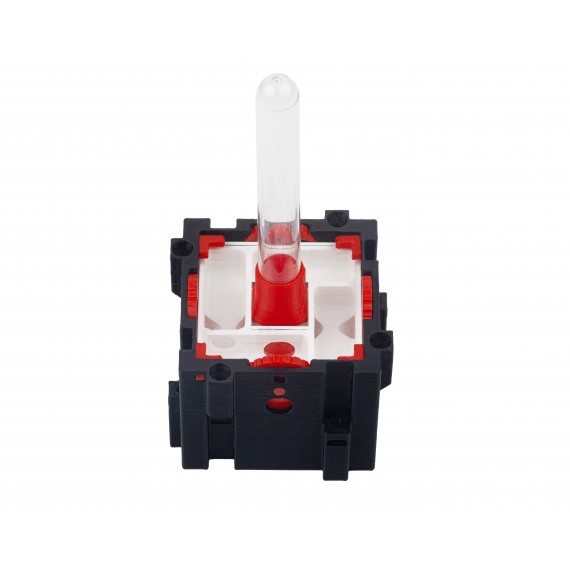
For founding queens and very small colonies, a test tube or compact founding chamber works perfectly well.

As the colony grows, nests with medium or large chambers are preferable, as the majors need sufficient space to move comfortably.

Modular systems are especially practical because they allow the available space to be expanded progressively as the number of workers increases.

This system allows a natural substrate to be used around the founding chamber while maintaining controlled hydration.

The queen should be kept in a quiet environment, without constant vibrations or unnecessary checks.

During the claustral founding stage, it is not necessary to provide food until the first workers appear.

Once the first workers emerge, small amounts of carbohydrates and protein can begin to be offered.

Recommended ant nests

As the colony grows, medium-sized chambers and a sufficiently large foraging area are recommended.

Modular nests make it possible to increase the available space progressively without forcing the colony to occupy an excessively large nest from the beginning.

The foraging area can include stones, dry branches and other elements that reproduce an open, warm environment.

Whatever system is chosen, it is important to maintain a secure lid or an effective anti-escape barrier.

For more advanced colonies, the modular Alpha systems allow the nest to be expanded as the number of workers increases.

The ideal chamber size is medium to large, especially when the colony begins to produce majors.

It is preferable to add new modules progressively rather than provide an excessively large nest from the beginning.

Feeding

Carbohydrates

Carbohydrates are especially important for this species because the workers are highly active.

The following can be offered:

  • nectar specifically formulated for ants;
  • sugar water;
  • very diluted honey;
  • small amounts of sweet fruit.

A permanent nectar feeder works very well in established colonies.

The colony should also always have independent access to clean water.

Protein should be offered regularly whenever larvae are present.

Small colonies can receive small prey every few days, while larger colonies with abundant brood will require a much greater supply.

It is advisable to remove uneaten remains before they deteriorate, especially in warm setups.

Diapause

Camponotus sericeus does not require a cold winter diapause.

It comes from warm regions where seasonal changes are not associated with prolonged periods of low temperatures.

In captivity, the colony can remain active throughout the year if temperature and food availability remain suitable.

A slight seasonal reduction in activity or brood production may occur, but refrigeration is not necessary.

During the European winter, it is sufficient to maintain the colony at stable indoor temperatures and avoid prolonged exposure to cold.

Behaviour in captivity

Behaviour in captivity

It is a very active species during the day, especially when the temperature is high.

Workers frequently explore the foraging area and react quickly when food is introduced.

As the colony grows, the differences between minors, media workers and majors become increasingly evident.

The majors are especially striking because of their large heads and robust build.

When disturbed, workers can move rapidly and adopt defensive postures.

As with other Camponotus, they can defend themselves using their mandibles and by spraying formic acid.

Handling and safety

Direct handling with bare hands is not recommended, especially with large colonies.

Although it is not considered a particularly dangerous species, large workers can bite and formic acid may cause irritation if it comes into contact with the eyes or sensitive areas.

For routine maintenance, we recommend using long tweezers and avoiding placing your hands directly in the foraging area when many workers are active.

With a secure setup and basic precautions, it is a manageable species whose size, golden coloration and activity make it especially attractive to observe.

Dificultad
Novice
No reviews

16 other products in the same category: