Pystalla horrida - Chinche Asesina Espinosa

Pystalla horrida - Chinche Asesina Espinosa

Out-of-Stock
€6.99
VAT included


Psytalla horrida

Biology

Psytalla horrida is an African assassin bug species belonging to the family Reduviidae, also known for its extremely spiny appearance and powerful predatory behavior.

It inhabits warm and dry regions of the African continent, where it occupies tree trunks, bark, and areas rich in microfauna.

It is an active predator that detects prey through vibrations and movement, attacking rapidly with its powerful piercing rostrum.

Like other Reduviidae, it injects digestive enzymes and paralyzing toxins that begin to internally break down the prey. It subsequently absorbs the resulting fluids, leaving behind only the dry remains of the exoskeleton after feeding.

It exhibits primarily nocturnal habits, remaining hidden for much of the day in shelters or shaded areas.

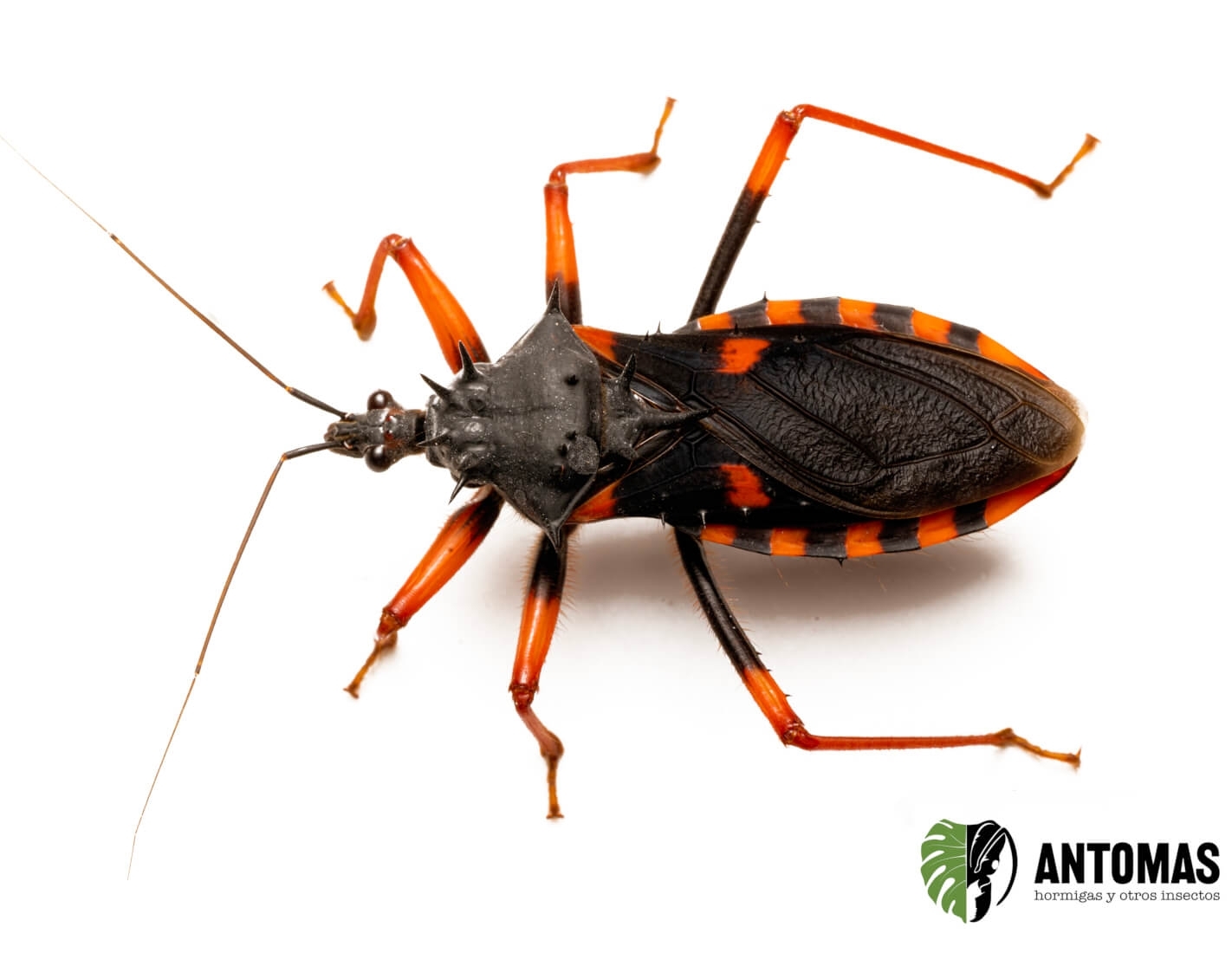
Its intimidating appearance is one of its greatest attractions in captivity, especially due to the numerous spines covering almost its entire body.

Females lay eggs relatively frequently, and the nymphs show rapid growth under suitable conditions.

As a defense mechanism, it can also spray irritating digestive fluids through its rostrum, especially if it feels trapped or is being handled.

Size and Morphology

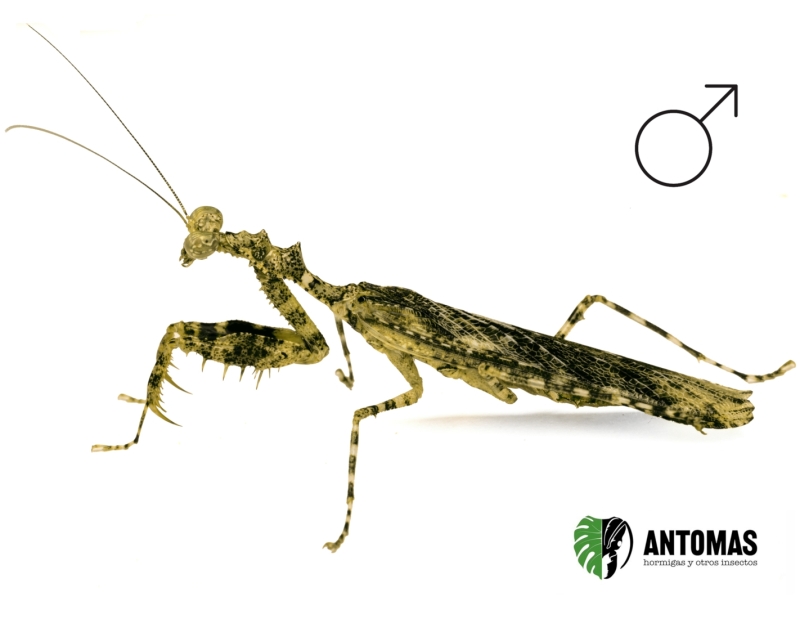
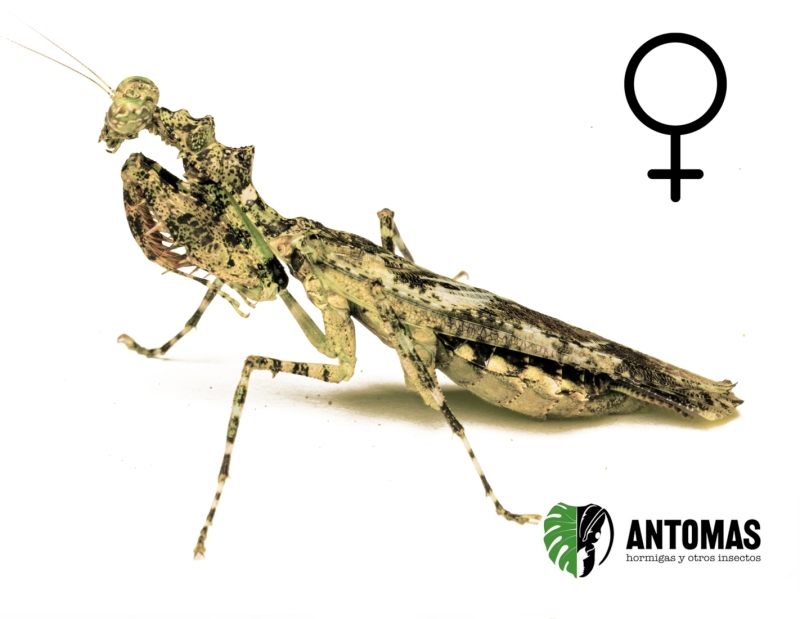
Psytalla horrida has a broader and more compact body than Platymeris, with a heavily armored appearance.

The coloration combines shades of brown, black, and ochre, providing excellent camouflage on bark and wood.

The most distinctive feature is the prominent spines distributed across the legs, thorax, and abdomen, giving it a very characteristic appearance.

The piercing rostrum is short, strong, and extremely effective during prey capture.

Approximate measurements:

  • Newly hatched nymphs: 5 – 7 mm
  • Adults: 25 – 35 mm

Captive Care

Psytalla horrida is a hardy species, although slightly more sensitive to poor conditions than Platymeris biguttatus.

Recommended parameters

  • Temperature: 24 – 28 °C
  • Humidity: 55 – 75 %
  • Ventilation: high.
  • Terrarium: structured with bark, branches, and dry shelters.

It is advisable to avoid excessive moisture accumulation in order to prevent fungal problems during molting.

Feeding

It accepts a wide variety of insects:

  • Crickets
  • Cockroaches
  • Flies
  • Small locusts
  • Beetle larvae

Nymphs display great voracity from the earliest stages.

It is important to maintain a regular feeding schedule in order to minimize episodes of cannibalism.

Behavior and Handling

It is a defensive, fast, and highly reactive species when disturbed.

Although it can be kept in small groups under supervision, adult specimens tend to show greater territoriality than Platymeris.

It should never be handled directly. Handling should always be carried out indirectly, encouraging the animal to voluntarily move onto containers, pieces of bark, or auxiliary surfaces, thus avoiding stressful situations in which it may spray digestive fluids at the keeper.

No reviews

13 other products in the same category: