
Pogonomyrmex rugosus kaufen | Haltung & Pflege

Pogonomyrmex rugosus

64,99 €
Bruttopreis

Bitte erkundigen Sie sich vor dem Kauf, welche Morph-Variante aktuell verfügbar ist, und fordern Sie aktuelle Fotos an, falls die Farbe für Sie ein wichtiges Auswahlkriterium ist.

Kontaktieren Sie uns über Chat on WhatsApp

Kolonie


Pogonomyrmex rugosus – Raue Ernteameise

Biologie

Pogonomyrmex rugosus, auf Englisch als Rough Harvester Ant bekannt, ist eine große Ernteameise der ariden Regionen im Südwesten Nordamerikas. Ihre Verbreitung umfasst den Südwesten der Vereinigten Staaten und den Norden Mexikos, einschließlich Populationen aus der Mojave-, Sonora- und Chihuahua-Wüste.

Sie bewohnt offene, warme und meist trockene Gebiete wie Wüsten, aride Grasländer, Buschlandschaften und Ebenen mit sandigen, steinigen oder tonigen Böden. Ihre Kolonien bauen große unterirdische Nester, die an der freigeräumten Fläche um den Eingang leicht zu erkennen sind.

Die Arbeiterinnen entfernen Pflanzen, Steine und angesammelte Reste in Nestnähe und schaffen eine Art äußeren Platz, von dem ihre Sammelrouten ausgehen. Diese Reinigung erleichtert den Verkehr, reduziert Wurzeln über den Gängen und ermöglicht eine schnelle Erkennung von Bewegungen in Kolonienähe.

Ihre Ernährung basiert hauptsächlich auf Samen, besonders auf Samen von Gräsern und krautigen Pflanzen aus Wüstenlebensräumen. Die Arbeiterinnen sammeln, transportieren und lagern sie in trockenen Kammern im Nest.

Diese Fähigkeit zur Nahrungslagerung erlaubt es der Kolonie, Reserven für Zeiten geringerer Verfügbarkeit anzulegen. Ihre Organisation erinnert an eine menschliche Gesellschaft, die vor einer ungünstigen Jahreszeit Vorräte füllt: Jede Sammlerin bringt eine kleine Last, aber gemeinsam entstehen enorme Vorräte.

Sie ist nicht ausschließlich granivor. Sie sammelt auch tote Insekten und kann kleine Wirbellose erbeuten, besonders wenn die Kolonie viele Larven hat. Tierische Proteine ergänzen die Ernährung und fördern die Entwicklung der Brut.

Eines ihrer attraktivsten Verhaltensweisen ist das kollektive Sammeln. Wenn eine reichliche Samenquelle erscheint, können Arbeiterinnen dauerhafte oder halbdauerhafte Routen zwischen Nahrung und Nest einrichten. Diese Wege funktionieren wie echte Straßen: Einige Arbeiterinnen gehen leer hinaus, andere kehren beladen zurück, und der Fluss bleibt bestehen, solange die Ressource lohnend ist.

Reife Kolonien können mehrere Tausend bis über 10.000 Arbeiterinnen erreichen. Trotz ihrer großen Population sind die Arbeiterinnen monomorph: Es gibt keine Soldaten als klar differenzierte Kaste, obwohl eine graduelle Größenvariation beobachtet werden kann.

Die Arbeitsteilung hängt stark vom Alter ab. Junge Arbeiterinnen betreuen Königin, Eier und Larven im Nest, während ältere Arbeiterinnen nach und nach riskantere Außendienste wie Sammeln und Verteidigung übernehmen.

Kolonien sind meist monogyn und werden von einer einzigen Königin geführt. Die Königin kann sich während des Schwarmflugs jedoch mit mehreren Männchen paaren, was die genetische Vielfalt der Kolonie erhöht.

Schwarmflüge sind eng mit Regenereignissen verbunden. Feuchtigkeit weicht den Boden auf und erleichtert neuen Königinnen das Graben ihrer Gründungskammer.

Die Gründung ist vollständig klaustral. Nach der Paarung schließt sich die Königin in einer Kammer ein und produziert ihre ersten Arbeiterinnen aus den im Körper gespeicherten Reserven.

Die ersten Arbeiterinnen sind Nanitinnen und deutlich kleiner als spätere Generationen. Sobald sie Samen und Proteine sammeln, tritt die Kolonie in eine stabilere Wachstumsphase ein.

Größe und Morphologie

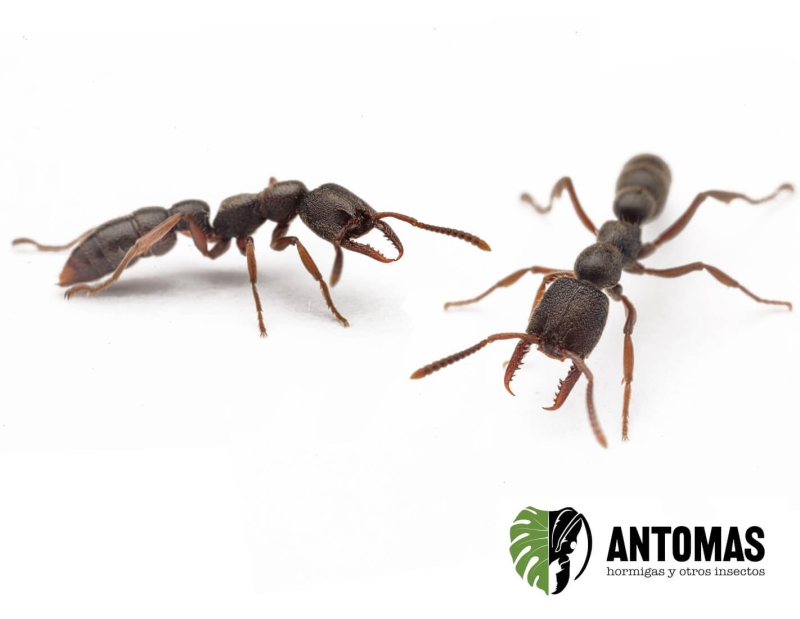
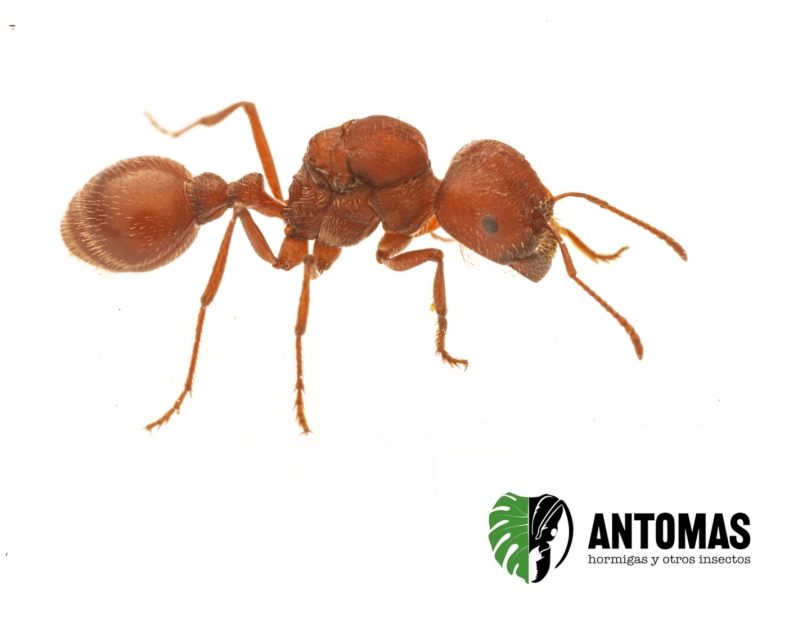
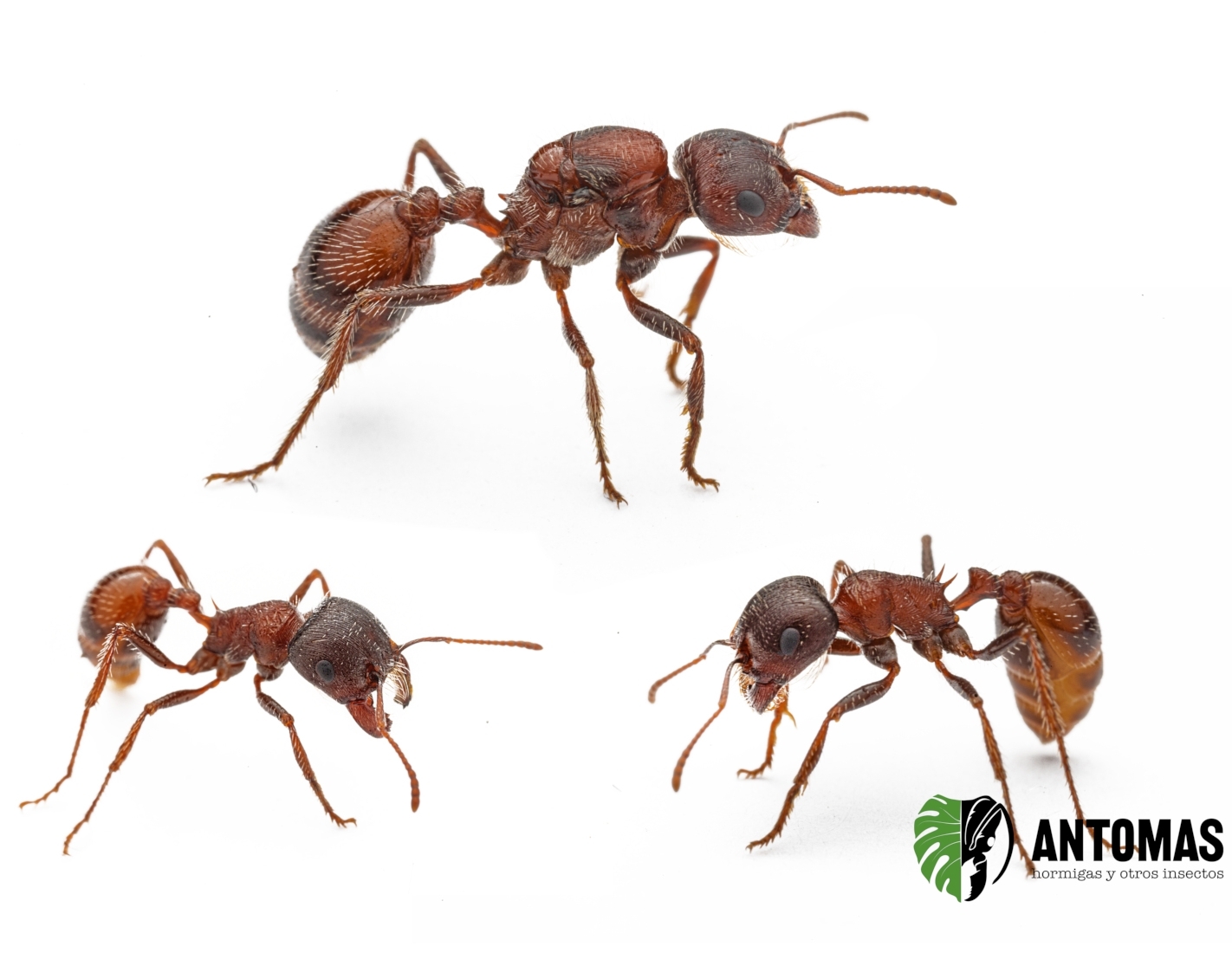
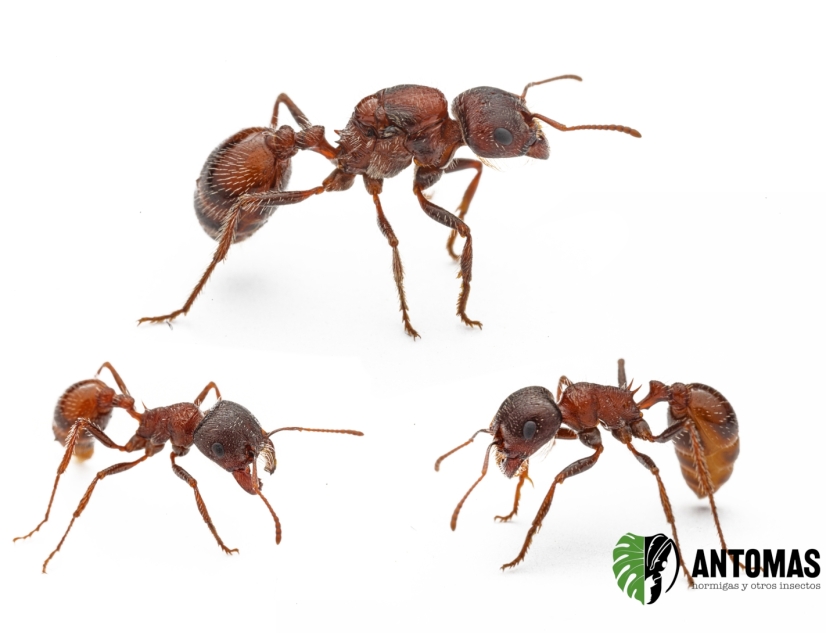
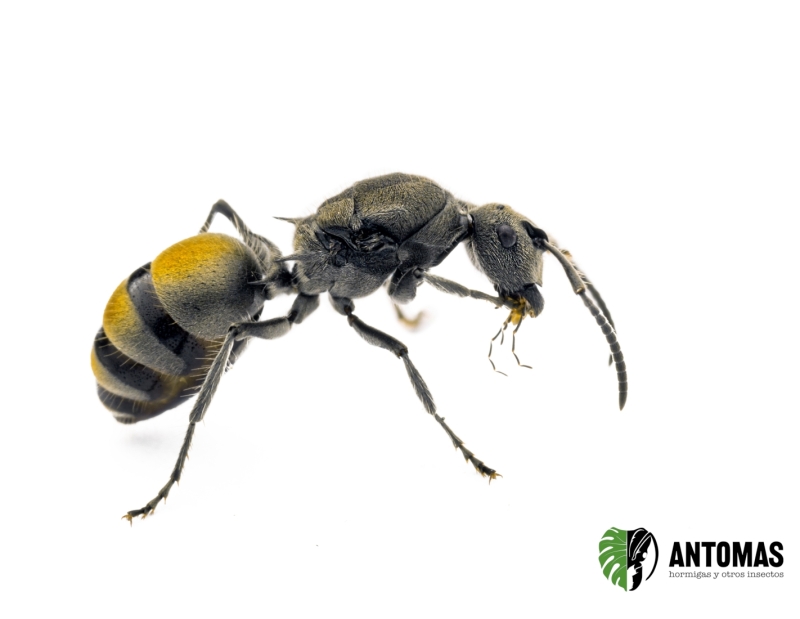
Pogonomyrmex rugosus is a large, robust ant with relatively long legs. The head is broad, the mandibles are well developed, and the body surface is strongly sculptured.

Its specific name, rugosus, refers precisely to this rough exoskeleton, covered with grooves and raised textures that are especially visible on the head and mesosoma.

Under the head it has a psammophore, formed by a series of long, curved hairs. Its main function is to help transport soil particles, sand, and seeds.

It has no soldier caste. Workers maintain a generally uniform morphology, although individuals in a mature colony are often clearly larger than the first workers produced.

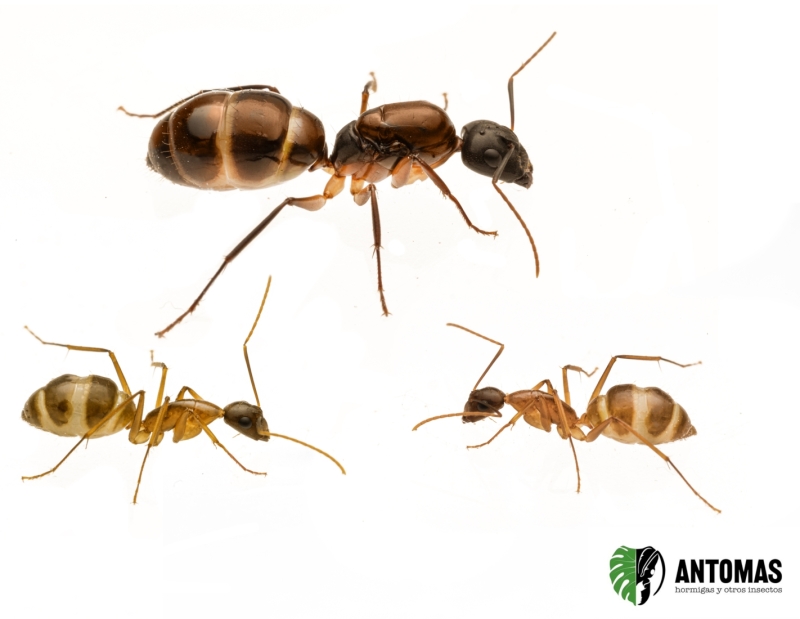
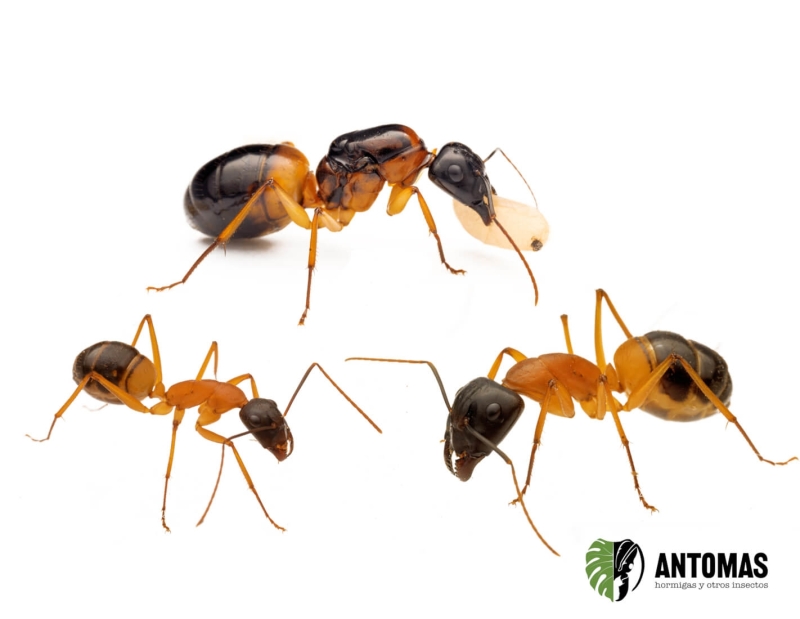
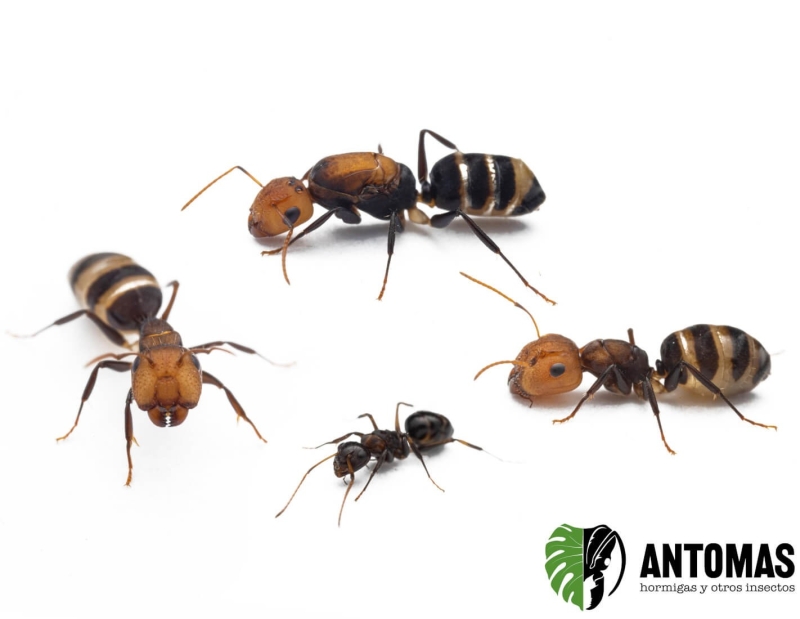
Farbvariation und Morphen

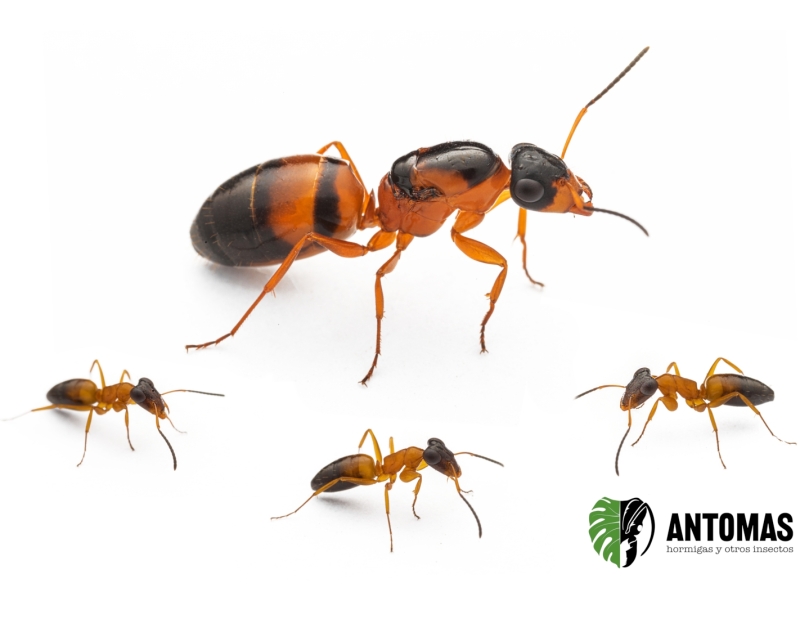
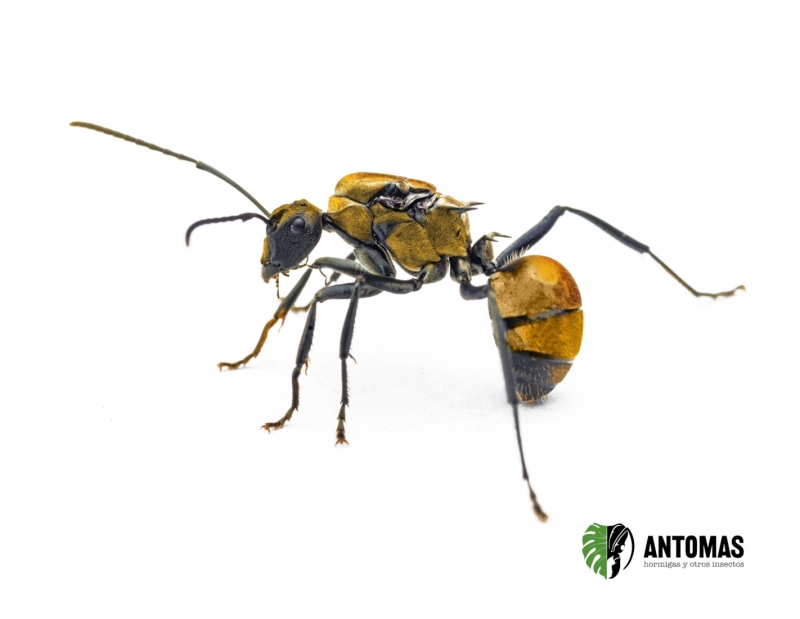
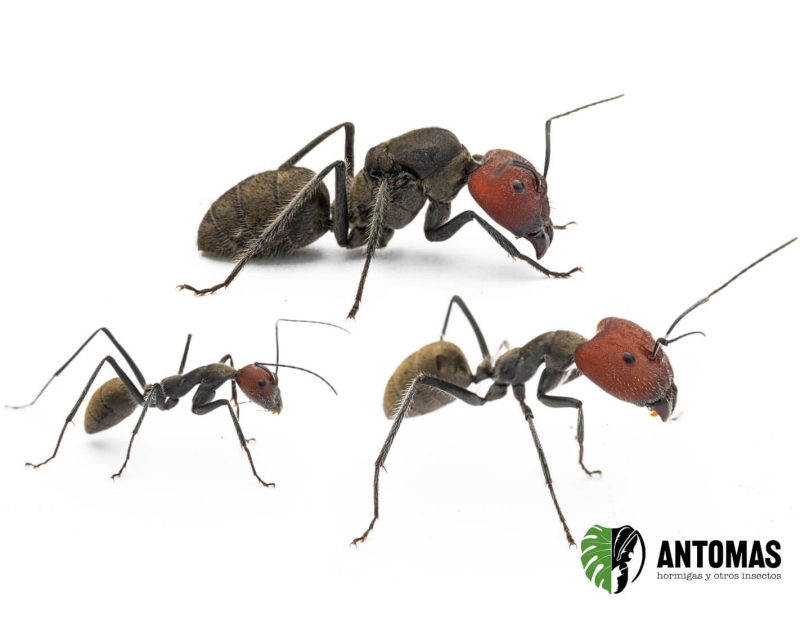
The coloration of P. rugosus is highly variable. Specimens may be found in the following forms:

  • reddish;
  • dark brown;
  • almost completely black;
  • bicolored, with reddish head or mesosoma and black gaster;
  • with different intermediate tones depending on population.

The morph available at Antomas may vary depending on the year of import, region of origin, and collected population. Coloration should therefore not be considered fixed.

For this reason, it is recommended to check before purchasing to know the morph available at that time and request current photographs when necessary.

Ungefähre Maße

  • Workers: 7–10 mm
  • Queen: 12–14 mm

Queens are considerably bulkier than workers, with a mesosoma developed by the original flight muscles and a gaster prepared to support high egg production.

The species has a functional sting. Workers can hold on with their mandibles and sting when trapped, pressed, or when the colony is disturbed.

HALTUNG IN GEFANGENSCHAFT

The difficulty of Pogonomyrmex rugosus can be considered intermediate.

It is a hardy species, easy to feed and observe, but its future population size, seed management, humidity control, and sting require responsible handling.

Empfohlene Parameter

  • Active temperature: 24–29 °C
  • Warm spot: 28–30 °C
  • Brood area: moderately humid
  • Seed storage area: dry
  • Nest: ventilated, secure, and with a humidity gradient

Although it comes from desert regions, the queen, eggs, and larvae should not be kept in completely dry conditions. Natural nests reach deeper layers where humidity is more stable.

There should be a humidity gradient: a moderately humid area for the brood and dry chambers where workers can store seeds.

Humidity must not spread throughout the entire nest. If seeds are stored in humid chambers, they may germinate, ferment, or develop mold.

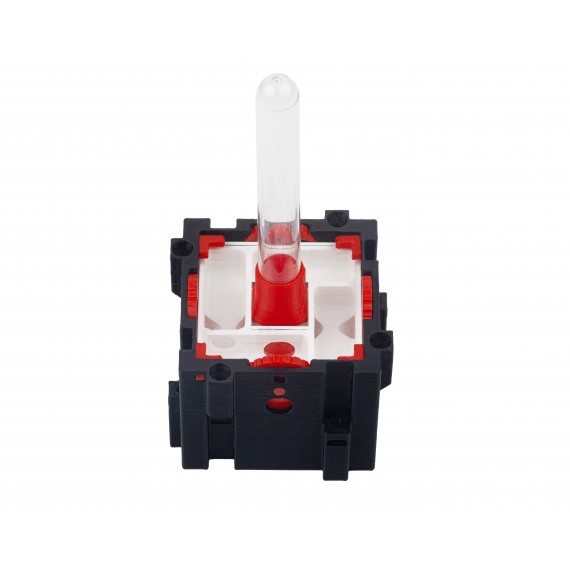
Medium galleries are suitable for young colonies and make better use of space. Large galleries offer greater comfort when the number of workers increases and the colony needs larger storage areas.

For this species, the use of loose substrates is discouraged, both inside the nest and in the foraging area. PLA and acrylic setups provide much better control.

  • they allow the queen, brood, and granaries to be observed;
  • they make it easier to separate humid and dry chambers;
  • they prevent seeds from becoming buried or lost;
  • they simplify cleaning and escape control.

A naturalistic setup may look attractive, but it makes managing a granivorous colony that stores large amounts of food more difficult. For P. rugosus, control and hygiene are more important than decoration.

Expansion should be carried out progressively. It is not advisable to provide an excessively large system from the beginning, as the colony may use unused chambers as dumping areas or poorly controlled granaries.

Ernährung

Samen

Seeds should form the basis of the diet:

  • canary grass seed;
  • different varieties of millet;
  • grass seeds;
  • poppy;
  • dandelion;
  • chia and quinoa;
  • small commercial mixes for harvester ants.

It is advisable to offer a varied mix, as the colony will select seeds according to size, hardness, and need.

Seeds must be free of salt, pesticides, preservatives, and agricultural treatments. Excessive quantities should also be avoided if the colony is still small.

Workers can store large reserves, so granaries should be checked periodically and any germinated, damp, or moldy seeds should be removed.

Proteine

The diet should be supplemented with insects:

  • flies;
  • crickets;
  • cockroaches;
  • moths;
  • chopped mealworm;
  • other safe feeder insects.

Young colonies should receive small portions of killed insects. Large colonies can subdue live prey of suitable size.

Protein consumption increases when larvae are present. During periods without larval development, interest in insects may decrease considerably.

Wasser und Kohlenhydrate

There should always be a source of clean and safe water.

Sugary liquids can be offered occasionally in small amounts, but they do not need to form the energy base of a species adapted mainly to seeds.

Drops should be small or presented in suitable feeders to prevent workers from becoming trapped.

Saisonale Ruhe

Pogonomyrmex rugosus occupies regions with variable winters, so the intensity of the rest period should be adjusted to the colony’s specific origin.

As a general guideline, a slowdown of approximately 8–12 weeks between 12 and 18 °C can be provided. Populations from colder areas may benefit from a cooler rest.

The temperature drop should be gradual. During this period, external activity, protein consumption, and brood production decrease.

The colony should keep access to water and its seed reserves. It is not necessary to reproduce frosts or extreme temperatures.

Verhalten in Gefangenschaft

Young colonies may show moderate growth during their first generations. Once the population increases, brood production accelerates and the demand for seeds and space becomes greater.

Workers organize clearly differentiated areas for brood, granaries, and waste. This separation is especially easy to observe in nests with good visibility.

An established colony maintains intense activity in the foraging area. Workers transport seeds, water, insects, and debris, and may establish persistent routes.

Walls, connections, and lids should be checked periodically. Although it is not especially known for climbing completely smooth surfaces, it can exploit joints, cables, and small irregularities.

Handhabung und Sicherheit

Pogonomyrmex rugosus can sting when it feels threatened, especially if a worker is trapped against the skin or handled directly.

It should not be handled with bare hands. Transfers and maintenance tasks should be carried out using long tweezers, tubes, auxiliary containers, and escape barriers.

The purpose of these precautions is not to alarm, but to avoid escapes and unnecessary contact. With a properly closed nest and a careful maintenance routine, the species can be kept safely.

During any opening, it is advisable to check that no workers are positioned on the lid, connection ports, or edge of the foraging area.

No reviews

16 andere Artikel in der gleichen Kategorie: